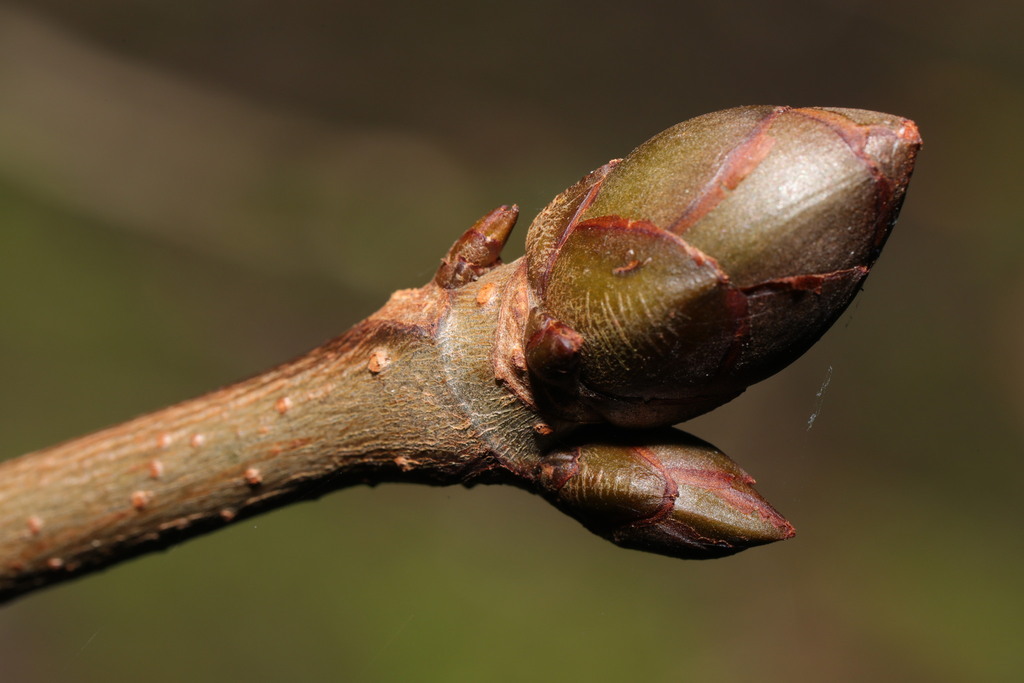
Aesculus hippocastanum L.
Běły jěrowc, Conker-tree, European horse chestnut, European horse chestnut
Every figure on this page is derived from public data by a stated rule and says its source; nothing here is written by a person or a model, except the Wikipedia passage, which is quoted and marked as such. How it is made.
Summary
Aesculus hippocastanum, the horse chestnut, is a species of flowering plant in the maple, soapberry and lychee family Sapindaceae. It is a large, deciduous, synoecious (hermaphroditic-flowered) tree. It is also called horse-chestnut, European horsechestnut, buckeye, and conker tree. It is not to be confused with the sweet chestnut or Spanish chestnut, Castanea sativa, which is a tree in another family, Fagaceae.
Text from Wikipedia, “Aesculus hippocastanum”, CC BY-SA 4.0, quoted as written. Kept separate from everything derived here.
About the genus · Aesculus
The genus Aesculus is a genus of about 12 species of flowering plants in the family Sapindaceae. They are trees and shrubs, mostly native to the temperate Northern Hemisphere. The European and Asian species are known as horse-chestnut or horse chestnut, and the North American species as buckeye.
Text from Wikipedia, “Aesculus”, CC BY-SA 4.0, quoted as written.
Also known as Aesculus asplenifolia Loudon; Aesculus castanea Gilib.; Aesculus hippocastanum f. albovariegatum (Weston) Rehder; Aesculus hippocastanum f. baumannii C.K.Schneid.; Aesculus hippocastanum f. beaumanii (C.K.Schneid.) Dole and 29 more.
Cultivation
Climate across the habitat
Natural habitat
Photographs
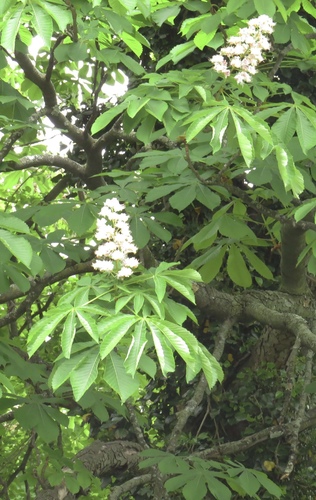
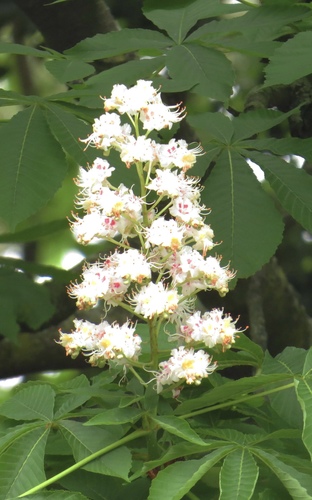
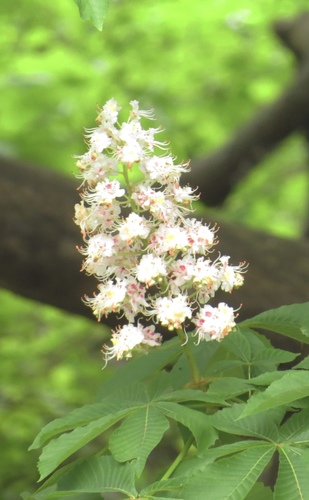
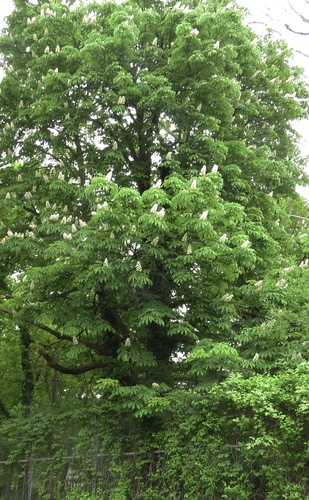
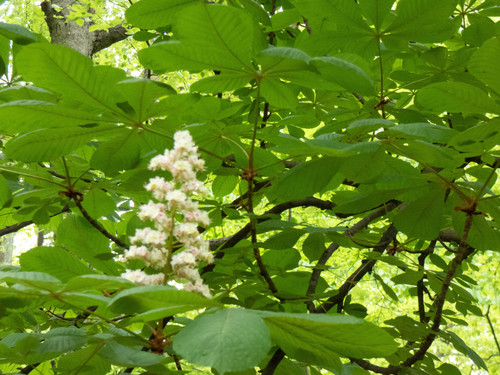
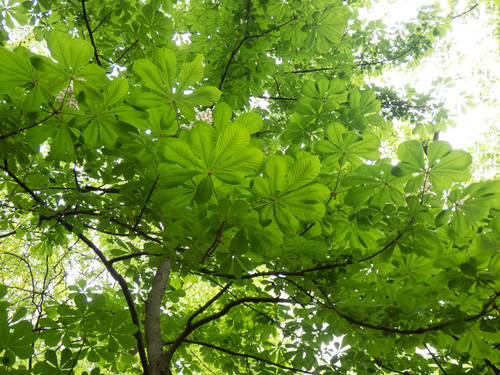
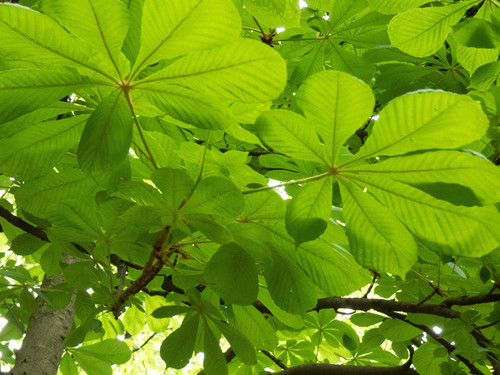
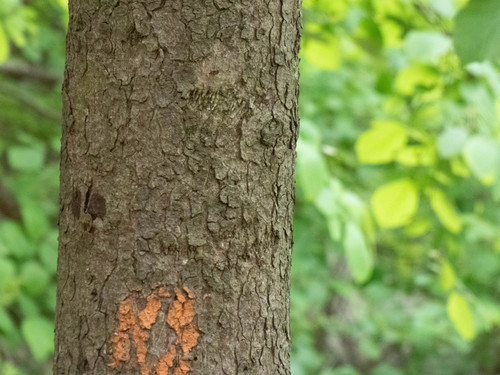
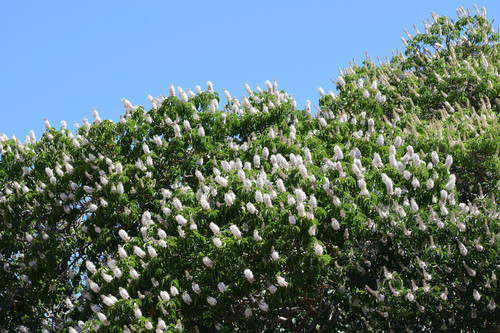
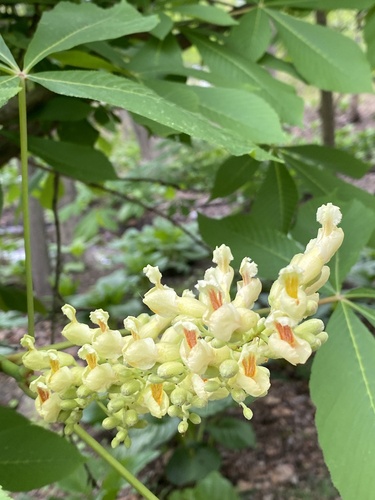
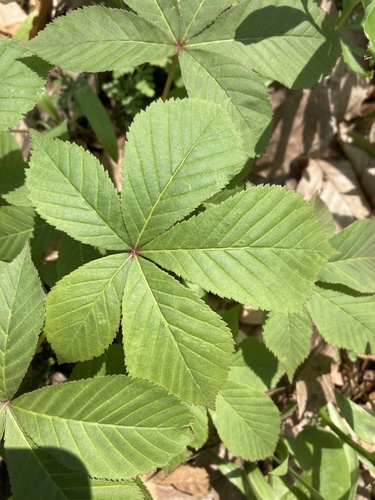
Photographs: (c) Sandy Wolkenberg, some rights reserved (CC BY) (4); (c) Brian White, some rights reserved (CC BY) (4).
Photographs: iNaturalist did not answer when this page was built; what is shown came from the sources that did.
Papers naming this species
Works whose title or abstract names Aesculus hippocastanum, most cited first, from OpenAlex (CC0). A mention, not a cultivation source: nothing on this page is drawn from them.
Related
Other Aesculus 5 in the reference
 Aesculus californica California buckeye
 Aesculus flava Yellow Buckeye
 Aesculus glabra American Buckeye
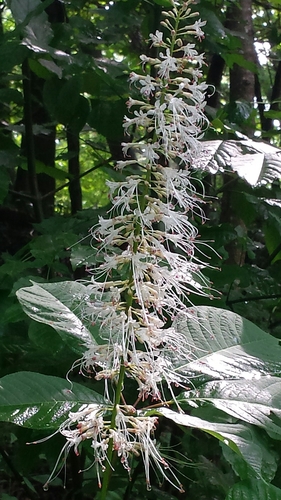 Aesculus parviflora Bottlebrush Buckeye
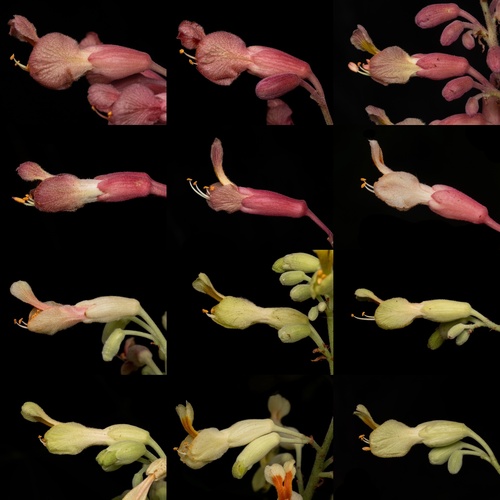 Aesculus pavia Red Buckeye
 History & registers
Where this page came from built 2026-09-20 · dossier v2 · node
gbif.species answeredcarried from build of 2026-09-20 (offline re-derivation; the backbone was not asked)gbif.synonyms answeredcarried from build of 2026-09-20 (offline re-derivation; the backbone was not asked)gbif.vernacular answeredcarried from build of 2026-09-20 (offline re-derivation; the backbone was not asked)wcvp.distribution answeredgbif.occurrences answeredGBIF occurrence search APIclimate nothing to reportwikidata answeredcarried from build of 2026-09-20 (rederive); that build: carried from build of 2026-09-20 (rederive); that build: carried from build of 2026-09-19 (rederive); that build: carried from build of 2026-09-19 (rederive)wikipedia answeredcarried from build of 2026-09-20; this build: skippedinat.taxon not askedcarried from build of 2026-09-20 (rederive); that build: carried from build of 2026-09-20 (rederive)inat.photos.wild answeredcarried from build of 2026-09-20; this build: skippedinat.photos.cultivated nothing to reportcarried from build of 2026-09-20 (rederive); that build: carried from build of 2026-09-20 (rederive); that build: carried from build of 2026-09-19 (rederive); that build: carried from build of 2026-09-19 (rederive)commons nothing to reportcarried from build of 2026-09-20 (rederive); that build: carried from build of 2026-09-20 (rederive); that build: carried from build of 2026-09-19 (rederive); that build: carried from build of 2026-09-19 (rederive)gbif.media answeredcarried from build of 2026-09-20; this build: skippedopenalex answeredcarried from build of 2026-09-20; this build: skippedEvery upstream is recorded as having answered, reported nothing, or refused. Only “nothing to report” is ever shown as an absence. Records came from 13 datasets via GBIF.org; each carries its own licence.