
Agave acuispina Trel.
Asparagaceae
Every figure on this page is derived from public data by a stated rule and says its source; nothing here is written by a person or a model, except the Wikipedia passage, which is quoted and marked as such. How it is made.
About the genus · Agave
Agave is a genus of monocots native to the arid regions of the Americas. The genus is primarily known for its succulent and xerophytic species that typically form large rosettes of strong, fleshy leaves.
Text from Wikipedia, “Agave”, CC BY-SA 4.0, quoted as written.
Also known as Agave cantala var. acuispina (Trel.) Gentry.
Cultivation
Grouped as a cactus or succulent by the genus Agave, which is reliably one kind of plant (archetype table). The table holds no figure for this group, which spans too much for one minimum, and no habitat climate is derived yet; no cold floor is given, and no prose comes from the table.
Climate across the habitat
Natural habitat
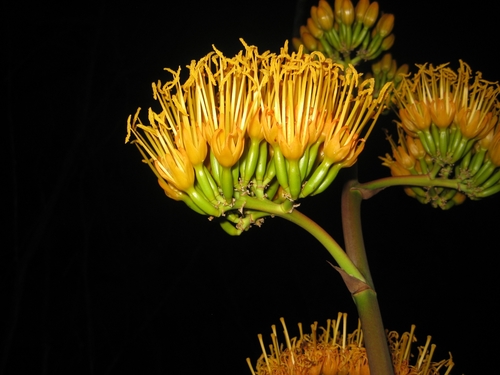
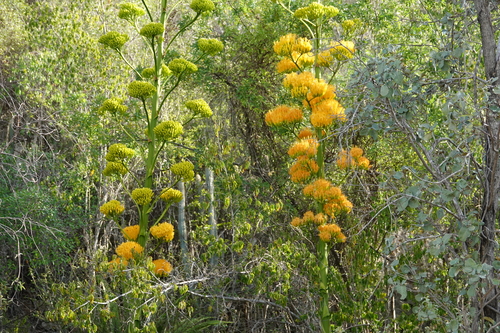
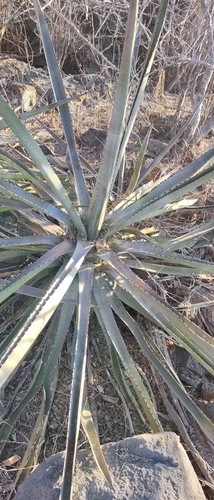
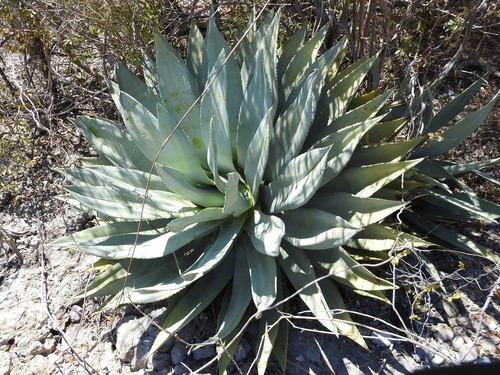
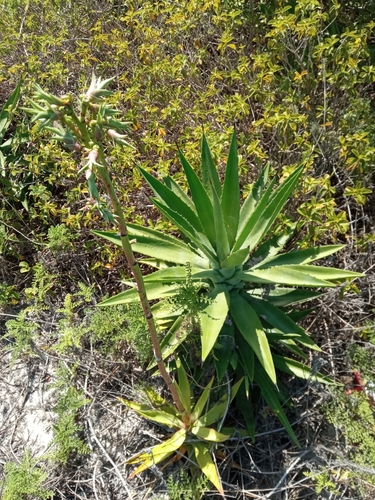
Photographs

Photographs: Ingrid P. Lin, CC0, via GBIF.
Photographs: iNaturalist did not answer when this page was built; what is shown came from the sources that did.
Related
Other Agave 252 in the reference
 Agave abisaii Asparagaceae
 Agave acicularis Asparagaceae
 Agave acklinicola Acklin Island Agave
 Agave aktites Asparagaceae
 Agave albescens Guantanamo Bay Agave
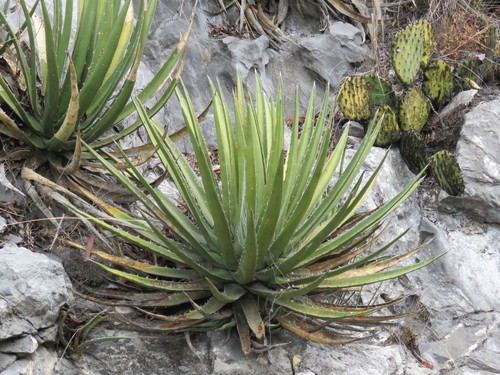 Agave albomarginata Asparagaceae
 Agave albopilosa Asparagaceae
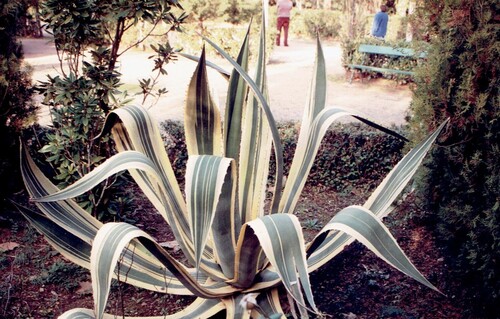 Agave americana American agave
 Agave amica Asparagaceae
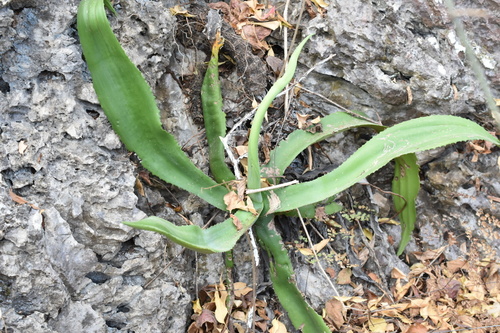 Agave andreae Asparagaceae
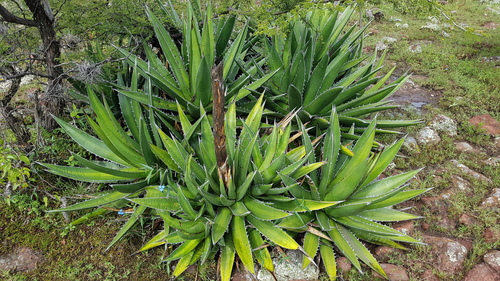 Agave angustiarum Asparagaceae
 Agave angustifolia Caribbean Agave all 253 ›
History & registers
Where this page came from built 2026-09-20 · dossier v2 · node
gbif.species answeredcarried from build of 2026-09-20 (offline re-derivation; the backbone was not asked)gbif.synonyms answeredcarried from build of 2026-09-20 (offline re-derivation; the backbone was not asked)gbif.vernacular answeredcarried from build of 2026-09-20 (offline re-derivation; the backbone was not asked)wcvp.distribution answeredgbif.occurrences answeredGBIF occurrence download https://doi.org/10.15468/dl.3h4zamclimate nothing to reportwikidata answeredcarried from build of 2026-09-20 (rederive); that build: carried from build of 2026-09-19 (rederive); that build: carried from build of 2026-09-19 (rederive)wikipedia nothing to reportcarried from build of 2026-09-20; this build: skippedinat.taxon not askedcarried from build of 2026-09-20 (rederive)inat.photos.wild nothing to reportcarried from build of 2026-09-20 (rederive); that build: carried from build of 2026-09-19 (rederive); that build: carried from build of 2026-09-19 (rederive)inat.photos.cultivated nothing to reportcarried from build of 2026-09-20 (rederive); that build: carried from build of 2026-09-19 (rederive); that build: carried from build of 2026-09-19 (rederive)commons nothing to reportcarried from build of 2026-09-20 (rederive); that build: carried from build of 2026-09-19 (rederive); that build: carried from build of 2026-09-19 (rederive)gbif.media answeredcarried from build of 2026-09-20; this build: api.gbif.org not asked: offline re-derivationopenalex nothing to reportcarried from build of 2026-09-20; this build: skippedEvery upstream is recorded as having answered, reported nothing, or refused. Only “nothing to report” is ever shown as an absence. Records came from 1 datasets via GBIF.org; each carries its own licence.