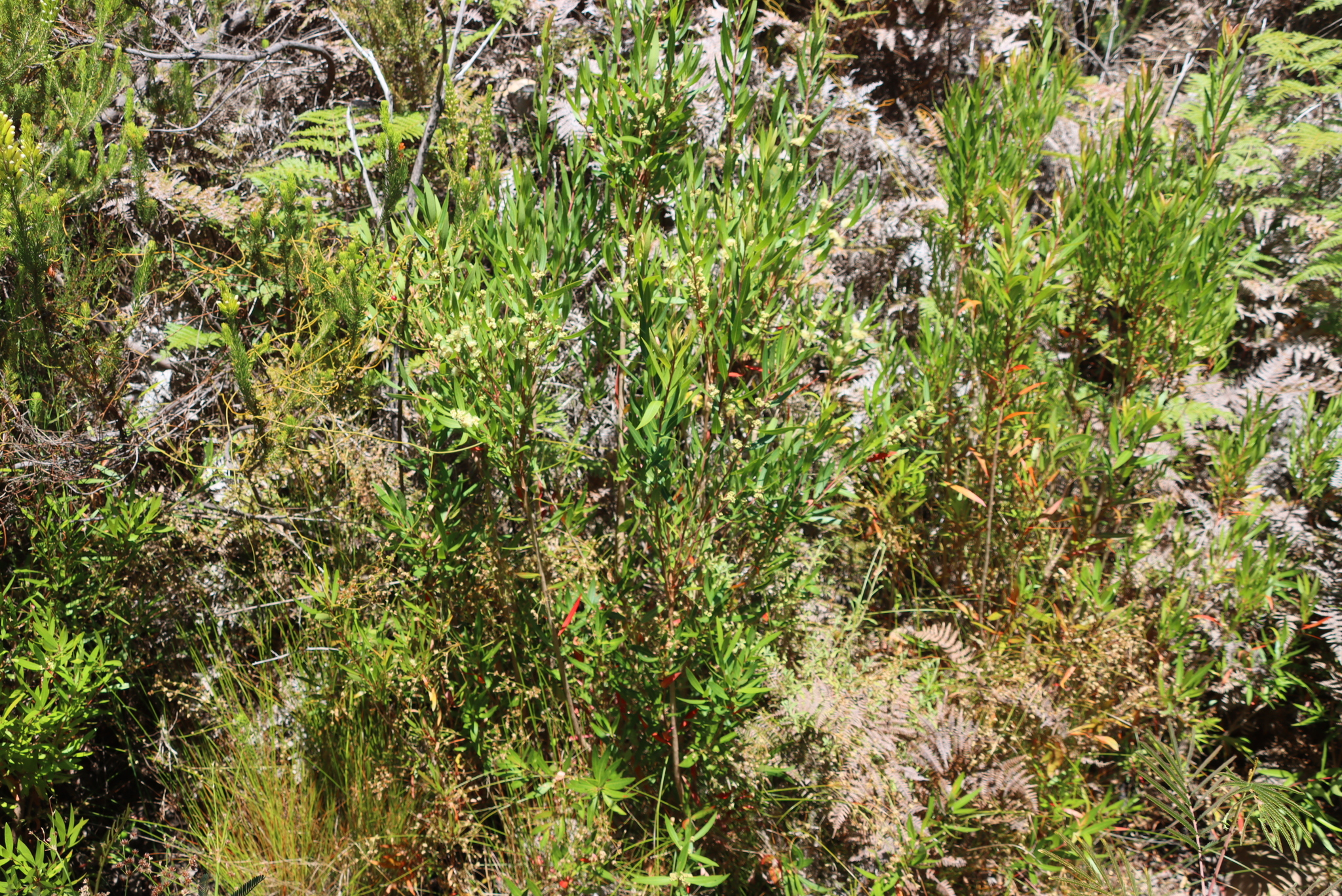
Callistemon lanceolatus (Sm.) Sweet
Myrtaceae
Every figure on this page is derived from public data by a stated rule and says its source; nothing here is written by a person or a model, except the Wikipedia passage, which is quoted and marked as such. How it is made.
Summary
Melaleuca citrina, the common red bottlebrush, crimson bottlebrush, or lemon bottlebrush, is a plant in the myrtle family Myrtaceae, and is endemic to eastern Australia. Some Australian state herbaria continue to use the name Callistemon citrinus. It is a hardy and adaptable species, common in its natural habitat. It is widely cultivated, not only in Australia. More on Wikipedia ›
The opening of Wikipedia, “Melaleuca citrina”, CC BY-SA 4.0, quoted as written. Kept separate from everything derived here.
About the genus · Callistemon
Callistemon is a genus of shrubs in the family Myrtaceae, first described as a genus in 1814. The entire genus is endemic to Australia but widely cultivated in many other regions and naturalised in scattered locations. Their status as a separate taxon is in doubt, some authorities accepting that the difference between callistemons and melaleucas is not sufficient for them to be grouped in a separate genus.
Text from Wikipedia, “Callistemon”, CC BY-SA 4.0, quoted as written.
Also known as Callistemon flavescens Regel; Callistemon lanceolatus f. semperflorens (G.Lodd.) Voss; Callistemon lanceolatus var. pendulus Regel; Callistemon lanceolatus var. semperflorens (Lodd.) Heynh.; Callistemon lanceolatus var. sparsus Regel and 14 more.
Cultivation
Climate across the habitat
Natural habitat
Photographs
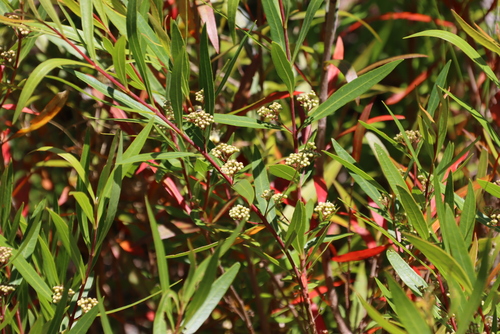
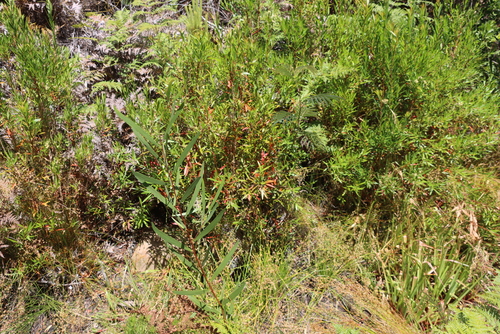
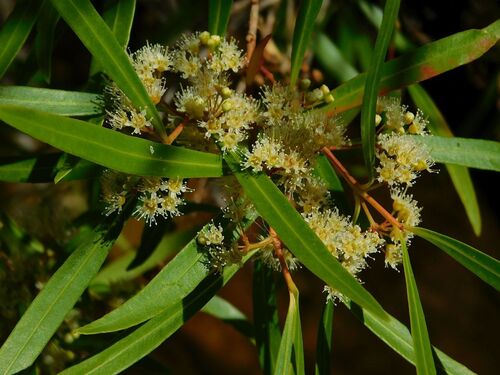
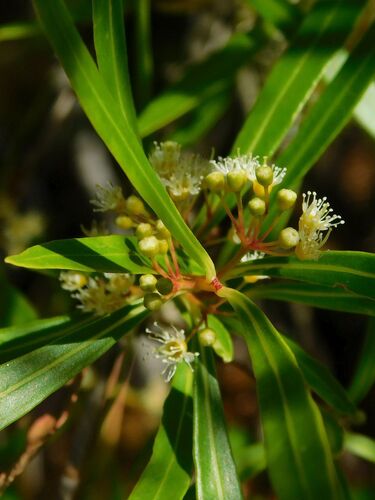
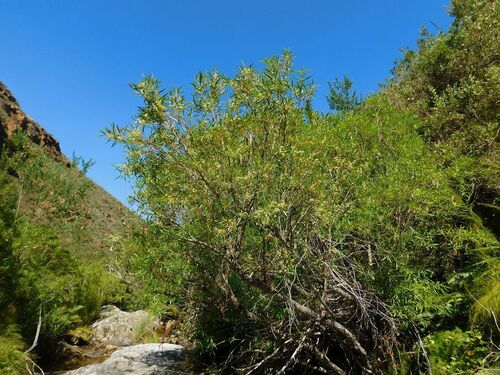
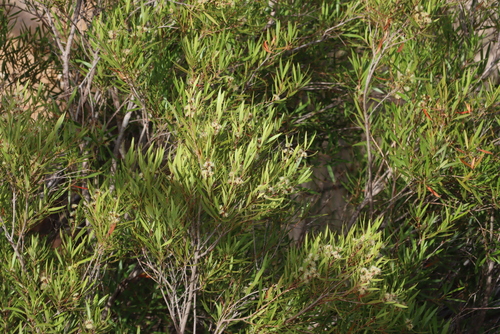
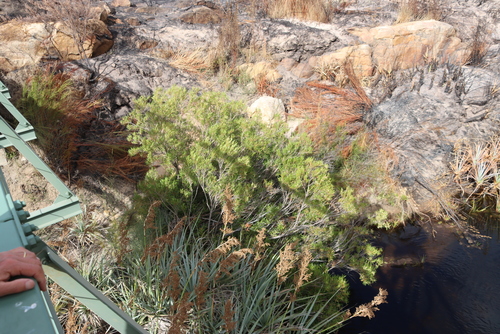
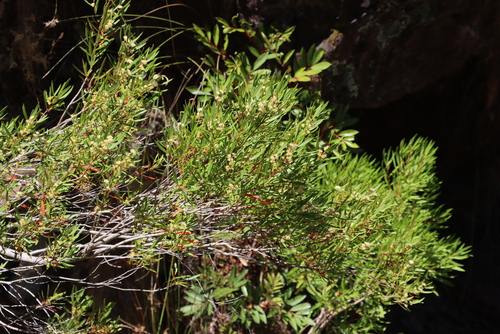
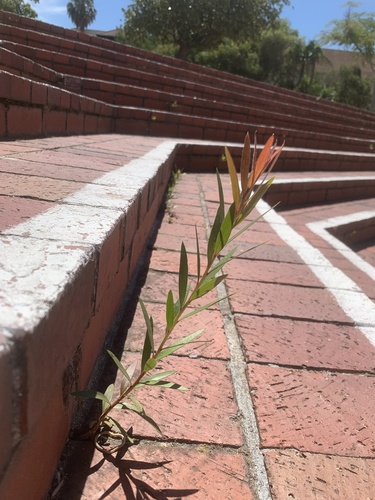
Photographs: Tony Rebelo, CC BY-SA, iNaturalist via GBIF (5); Klaus Wehrlin, CC0, iNaturalist via GBIF (3).
Photographs: iNaturalist did not answer when this page was built; what is shown came from the sources that did.
Papers naming this species
Works whose title or abstract names Callistemon lanceolatus, most cited first, from OpenAlex (CC0). A mention, not a cultivation source: nothing on this page is drawn from them.
Related
Other Callistemon 1 in the reference
History & registers
Where this page came from built 2026-09-20 · dossier v2 · node
gbif.species answeredcarried from build of 2026-09-20 (offline re-derivation; the backbone was not asked)gbif.synonyms answeredcarried from build of 2026-09-20 (offline re-derivation; the backbone was not asked)gbif.vernacular answeredcarried from build of 2026-09-20 (offline re-derivation; the backbone was not asked)wcvp.distribution answeredgbif.occurrences answeredGBIF occurrence search APIclimate nothing to reportwikidata answeredcarried from build of 2026-09-20 (rederive); that build: carried from build of 2026-09-20 (rederive); that build: carried from build of 2026-09-19 (rederive); that build: carried from build of 2026-09-19 (rederive)wikipedia answeredcarried from build of 2026-09-20; this build: skippedinat.taxon not askedcarried from build of 2026-09-20 (rederive); that build: carried from build of 2026-09-20 (rederive)inat.photos.wild not askedcarried from build of 2026-09-20 (rederive); that build: carried from build of 2026-09-20 (rederive); that build: carried from build of 2026-09-19 (rederive); that build: not asked: 48 wild photographs already from the GBIF downloadinat.photos.cultivated nothing to reportcarried from build of 2026-09-20 (rederive); that build: carried from build of 2026-09-20 (rederive); that build: carried from build of 2026-09-19 (rederive); that build: carried from build of 2026-09-19 (rederive)commons nothing to reportcarried from build of 2026-09-20 (rederive); that build: carried from build of 2026-09-20 (rederive); that build: carried from build of 2026-09-19 (rederive); that build: carried from build of 2026-09-19 (rederive)gbif.media answeredcarried from build of 2026-09-20; this build: skippedopenalex answeredcarried from build of 2026-09-20; this build: skippedEvery upstream is recorded as having answered, reported nothing, or refused. Only “nothing to report” is ever shown as an absence. Records came from 38 datasets via GBIF.org; each carries its own licence.