Drimia rupicola (Trimen) Dassan.
Asparagaceae
Every figure on this page is derived from public data by a stated rule and says its source; nothing here is written by a person or a model, except the Wikipedia passage, which is quoted and marked as such. How it is made.
About the genus · Drimia
Drimia is a genus of African, south European and south Asian flowering plants. In the APG IV classification system, it is placed in the family Asparagaceae, subfamily Scilloideae. When broadly circumscribed, the genus includes a number of other genera previously treated separately, including Litanthus, Rhodocodon, Schizobasis and Urginea.
Text from Wikipedia, “Drimia”, CC BY-SA 4.0, quoted as written.
Also known as Urginea congesta var. rupicola Trimen; Urginea rupicola (Trimen) Trimen; Urginea rupicola (Trimen) Trimen ex Hook.f.
Cultivation
Grouped as a bulb, tuber or caudex by the genus Drimia, which is reliably one kind of plant (archetype table). The table holds no figure for this group, which spans too much for one minimum, and no habitat climate is derived yet; no cold floor is given, and no prose comes from the table.
Climate across the habitat
Natural habitat
Related
Other Drimia 107 in the reference
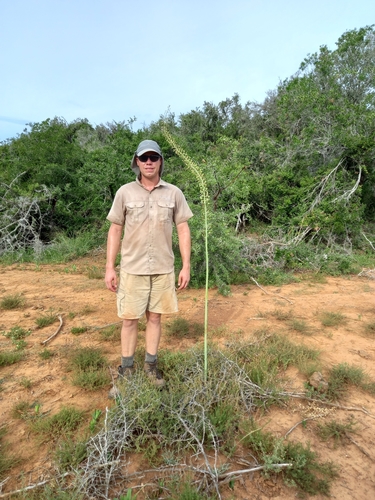 Drimia altissima Asparagaceae
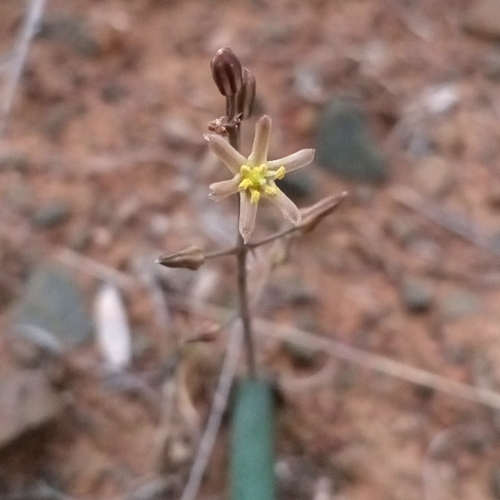 Drimia anomala Asparagaceae
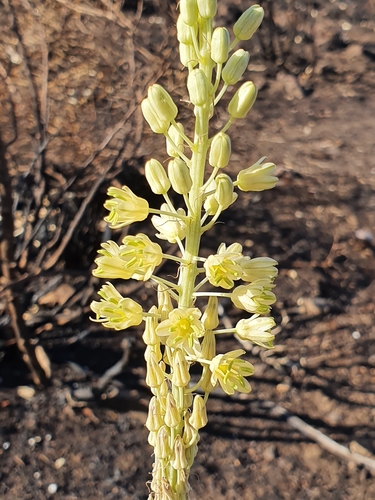 Drimia anthericoides Asparagaceae
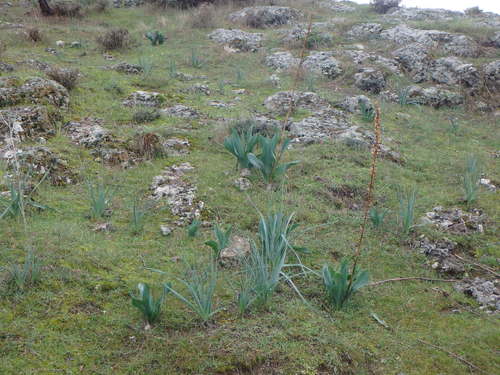 Drimia aphylla Sea Squill
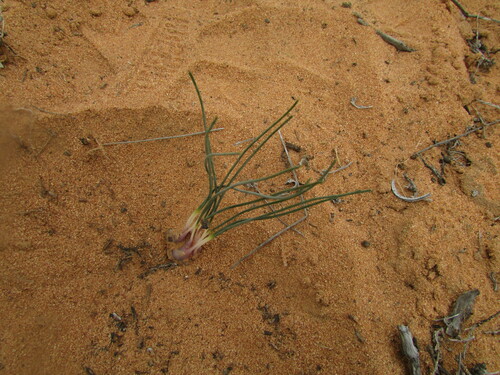 Drimia arenicola Asparagaceae
 Drimia aurantiaca Asparagaceae
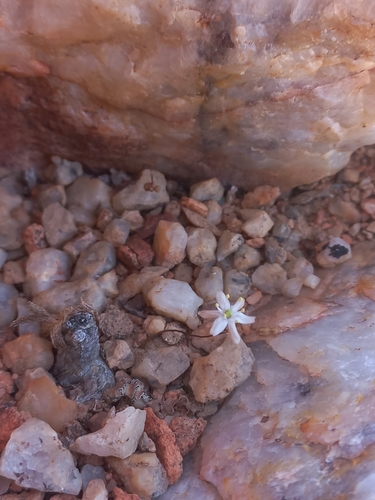 Drimia barbata Asparagaceae
 Drimia basutica Asparagaceae Drimia brachyandra Asparagaceae
 Drimia brachystachys Asparagaceae
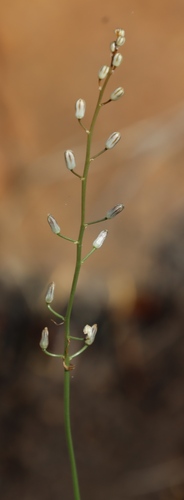 Drimia calcarata Khoho Squill all 108 ›
History & registers
Where this page came from built 2026-09-20 · dossier v2 · node
gbif.species answeredcarried from build of 2026-09-20 (offline re-derivation; the backbone was not asked)gbif.synonyms answeredcarried from build of 2026-09-20 (offline re-derivation; the backbone was not asked)gbif.vernacular answeredcarried from build of 2026-09-20 (offline re-derivation; the backbone was not asked)wcvp.distribution answeredgbif.occurrences nothing to reportclimate nothing to reportwikidata answeredcarried from build of 2026-09-20 (rederive); that build: carried from build of 2026-09-19 (rederive); that build: carried from build of 2026-09-19 (rederive)wikipedia nothing to reportcarried from build of 2026-09-20; this build: skippedinat.taxon not askedcarried from build of 2026-09-20 (rederive)inat.photos.wild nothing to reportcarried from build of 2026-09-20 (rederive); that build: carried from build of 2026-09-19 (rederive); that build: carried from build of 2026-09-19 (rederive)inat.photos.cultivated nothing to reportcarried from build of 2026-09-20 (rederive); that build: carried from build of 2026-09-19 (rederive); that build: carried from build of 2026-09-19 (rederive)commons nothing to reportcarried from build of 2026-09-20 (rederive); that build: carried from build of 2026-09-19 (rederive); that build: carried from build of 2026-09-19 (rederive)gbif.media did not answercarried from build of 2026-09-20 (rederive); that build: api.gbif.org not asked: offline re-derivationopenalex nothing to reportcarried from build of 2026-09-20; this build: skippedEvery upstream is recorded as having answered, reported nothing, or refused. Only “nothing to report” is ever shown as an absence.