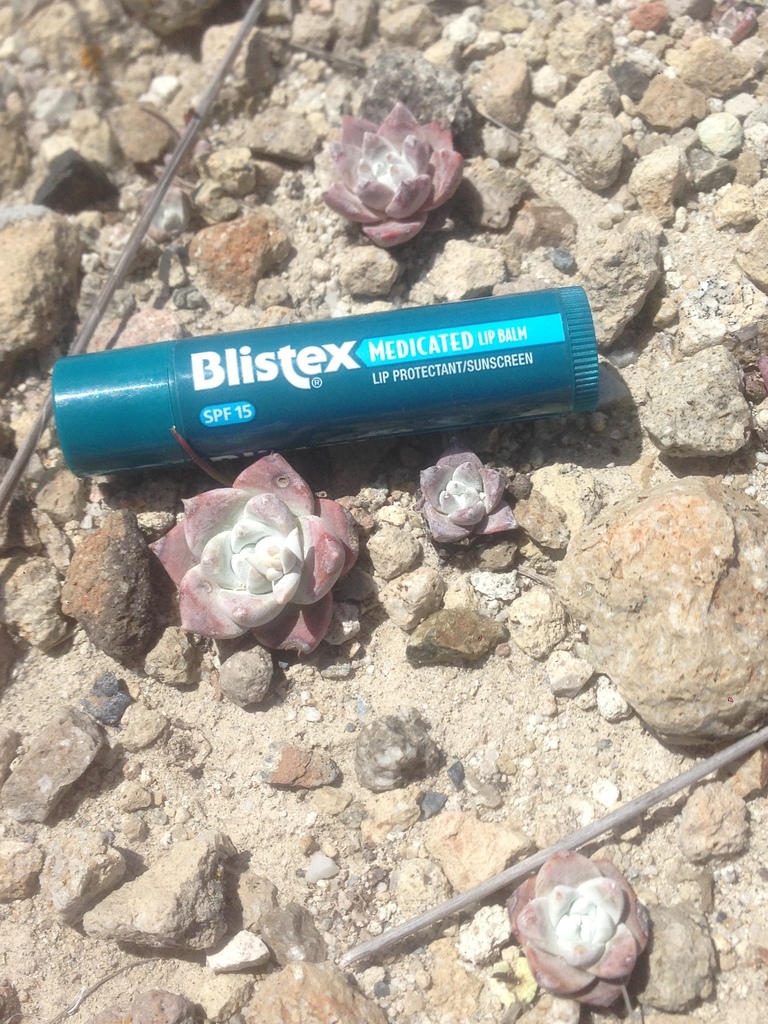
Dudleya gnoma S.Mc Cabe
Crassulaceae
Every figure on this page is derived from public data by a stated rule and says its source; nothing here is written by a person or a model, except the Wikipedia passage, which is quoted and marked as such. How it is made.
Summary
Dudleya gnoma is a rare species of succulent plant in the stonecrop family known by the common names munchkin liveforever and munchkin dudleya. It is characterized by its diminutive stature, small yellow flowers, and distinctive white rosettes. It is endemic to the eastern portion of Santa Rosa Island, one of the Channel Islands of California, where it is known from one population at the type locality, containing three colonies of plants.
Text from Wikipedia, “Dudleya gnoma”, CC BY-SA 4.0, quoted as written. Kept separate from everything derived here.
About the genus · Dudleya
Dudleya, commonly known as liveforevers, is a genus of rosette-forming succulent plants in the stonecrop family, Crassulaceae, consisting of about ~70 taxa found in southwestern North America and Guadalupe Island. The genus is very morphologically diverse, with species ranging from large evergreen plants to tiny deciduous geophytic plants. The flowers of Dudleya have parts numbered in fives, with the petals arranged in tubular, star-shaped, or bell-shaped forms and, when fruiting, are filled with tiny, crescent-shaped seeds.
Text from Wikipedia, “Dudleya”, CC BY-SA 4.0, quoted as written.
Also known as Dudleya nana Moran; Dudleya nana Moran ex P.H.Thomson.
Cultivation
Grouped as a cactus or succulent by the genus Dudleya, which is reliably one kind of plant (archetype table). The table holds no figure for this group, which spans too much for one minimum, and no habitat climate is derived yet; no cold floor is given, and no prose comes from the table.
Climate across the habitat
Natural habitat
Photographs
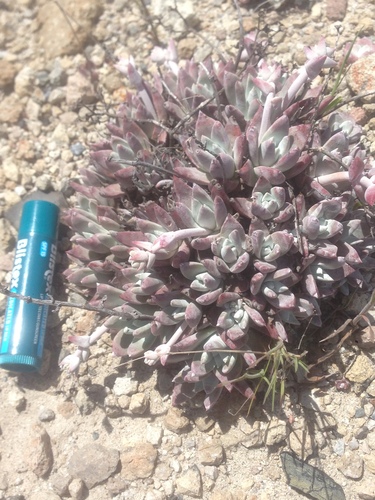
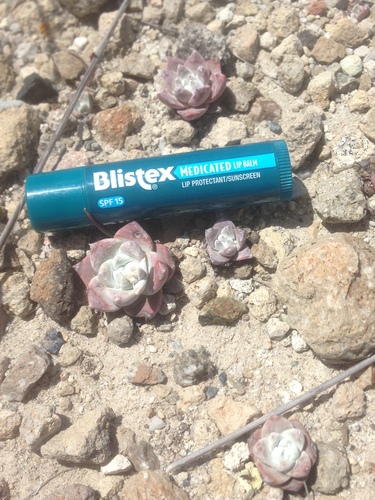
Photographs: (c) Adam J. Searcy, some rights reserved (CC BY); Adam J. Searcy, CC BY, iNaturalist via GBIF (2).
Photographs: iNaturalist did not answer when this page was built; what is shown came from the sources that did.
Papers naming this species
Works whose title or abstract names Dudleya gnoma, most cited first, from OpenAlex (CC0). A mention, not a cultivation source: nothing on this page is drawn from them.
Related
Other Dudleya 46 in the reference
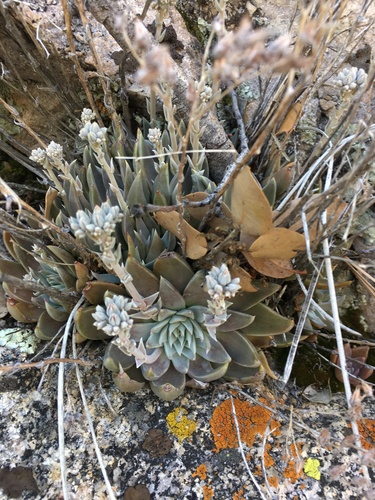 Dudleya abramsii Abrams' Liveforever
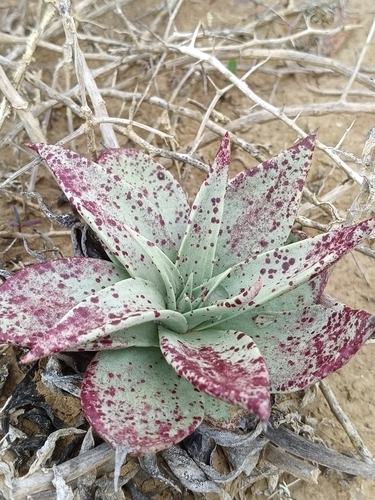 Dudleya acuminata Vizcaino Dudleya
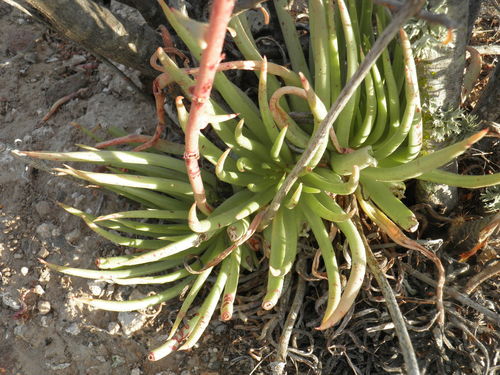 Dudleya albiflora White-Flower Liveforever
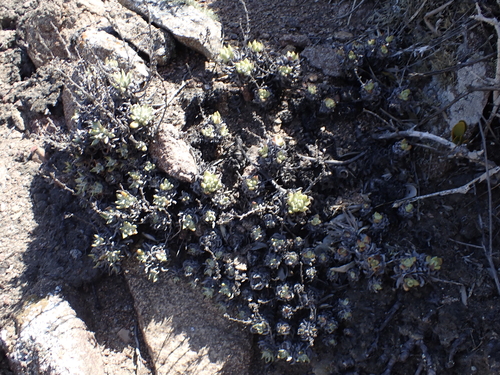 Dudleya anomala Todos Santos liveforever
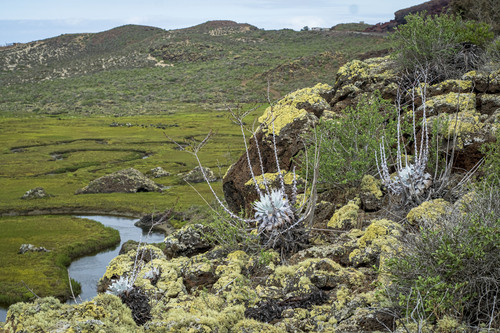 Dudleya anthonyi Anthony's liveforever
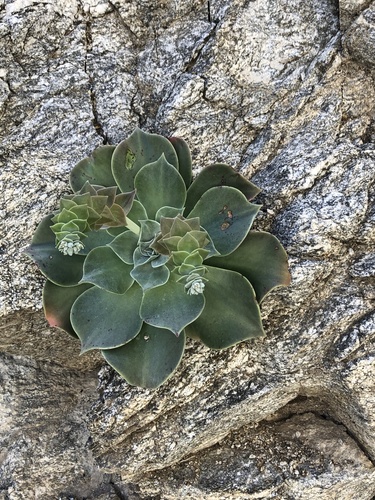 Dudleya arizonica Arizona chalk dudleya
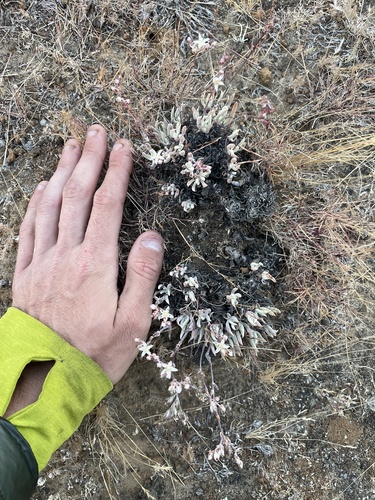 Dudleya attenuata Orcutt's dudleya
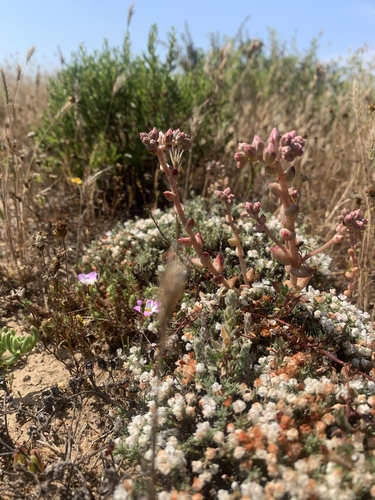 Dudleya blochmaniae Blochman's Dudleya
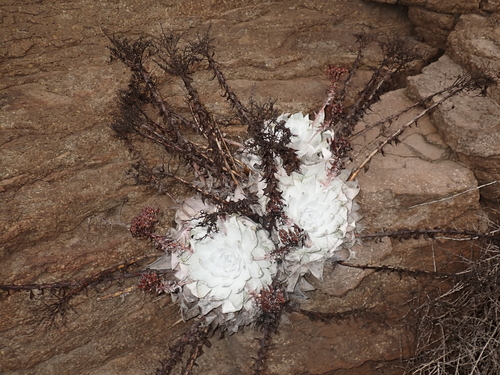 Dudleya brittonii Britton's Dudleya
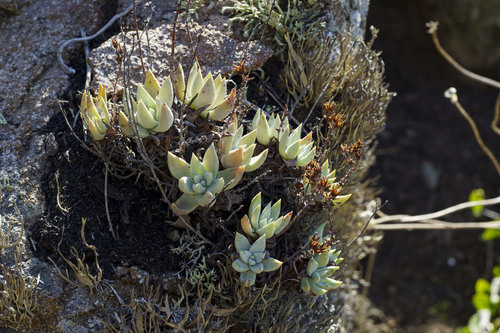 Dudleya campanulata Punta Banda liveforever
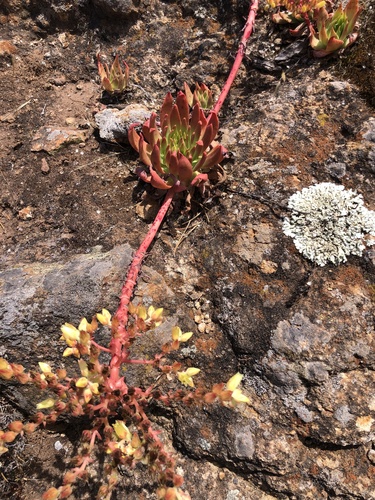 Dudleya candelabrum candleholder dudleya
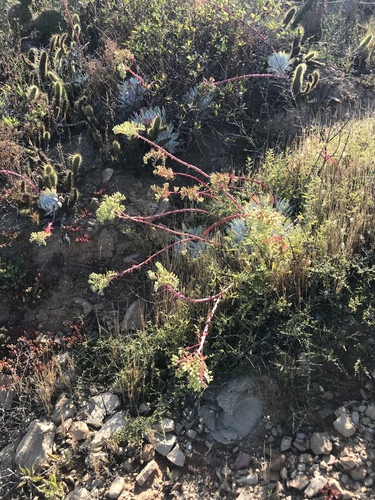 Dudleya candida Coronados liveforever all 47 ›
History & registers
Where this page came from built 2026-09-20 · dossier v2 · node
gbif.species answeredcarried from build of 2026-09-19 (offline re-derivation; the backbone was not asked)gbif.synonyms answeredcarried from build of 2026-09-19 (offline re-derivation; the backbone was not asked)gbif.vernacular answeredcarried from build of 2026-09-19 (offline re-derivation; the backbone was not asked)wcvp.distribution answeredgbif.occurrences answeredGBIF occurrence download https://doi.org/10.15468/dl.3h4zamclimate nothing to reportwikidata answeredcarried from build of 2026-09-19 (rederive); that build: carried from build of 2026-09-19 (rederive)wikipedia answeredcarried from build of 2026-09-19; this build: skippedinat.taxon not askedinat.photos.wild answeredcarried from build of 2026-09-19; this build: skippedinat.photos.cultivated nothing to reportcarried from build of 2026-09-19 (rederive); that build: carried from build of 2026-09-19 (rederive)commons nothing to reportcarried from build of 2026-09-19 (rederive); that build: carried from build of 2026-09-19 (rederive)gbif.media answeredopenalex answeredcarried from build of 2026-09-19; this build: skippedEvery upstream is recorded as having answered, reported nothing, or refused. Only “nothing to report” is ever shown as an absence. Records came from 1 datasets via GBIF.org; each carries its own licence.