
Erythrina caffra Thunb.
Cape Kaffirboom, Cape coraltree, Kaffirboom, South African coral tree
Every figure on this page is derived from public data by a stated rule and says its source; nothing here is written by a person or a model, except the Wikipedia passage, which is quoted and marked as such. How it is made.
Summary
Erythrina afra, the coast coral tree or African coral tree, is a tree native to southeastern Africa, which is often cultivated and has introduced populations in California and India. All the 17 species of coral tree in the genus Erythrina are collectively considered the official tree of Los Angeles, California in the United States.
Text from Wikipedia, “Erythrina afra”, CC BY-SA 4.0, quoted as written. Kept separate from everything derived here.
About the genus · Erythrina
Erythrina is a genus of plants in the pea family, Fabaceae. It contains about 130 species, which are distributed in tropical and subtropical regions worldwide. They are trees, with the larger species growing up to 30 m (98 ft) in height. More on Wikipedia ›
The opening of Wikipedia, “Erythrina”, CC BY-SA 4.0, quoted as written.
Also known as Chirocalyx pubescens Walp.; Corallodendron caffrum (Thunb.) Kuntze; Duchassaingia caffra (Thunb.) Walp.; Erythrina constantiana Micheli; Erythrina fissa C.Presl and 2 more.
Cultivation
Climate across the habitat
Natural habitat
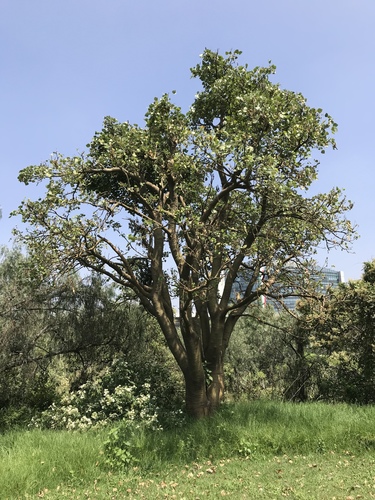
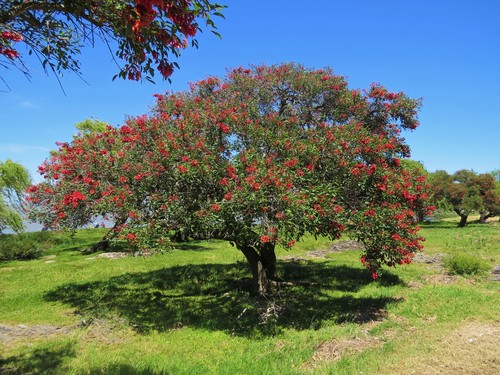
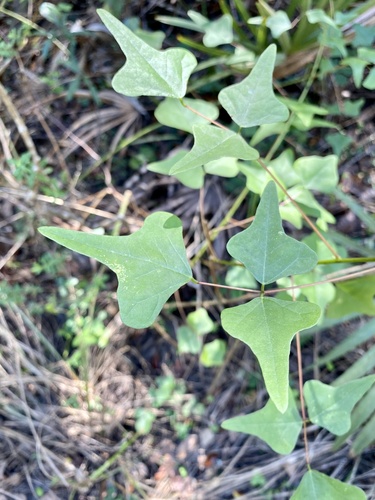
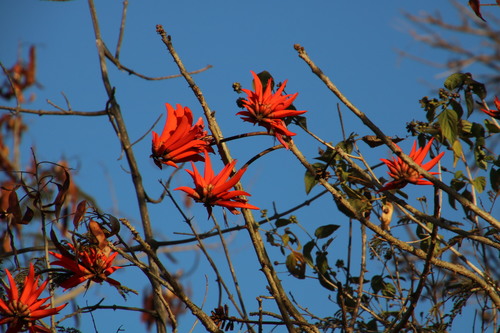
Photographs


Photographs: Ron K, CC BY-SA, via GBIF (2); Maarten Vanhove, CC BY-SA, via GBIF (3); unknown, CC BY, via GBIF (3).
Photographs: iNaturalist did not answer when this page was built; what is shown came from the sources that did.
Papers naming this species
Works whose title or abstract names Erythrina caffra, most cited first, from OpenAlex (CC0). A mention, not a cultivation source: nothing on this page is drawn from them.
Related
Other Erythrina 6 in the reference
 Erythrina americana American Coral Tree
 Erythrina crista-galli Brazilian Coral Tree
 Erythrina herbacea Cherokee Bean
 Erythrina lysistemon Common Coral Tree
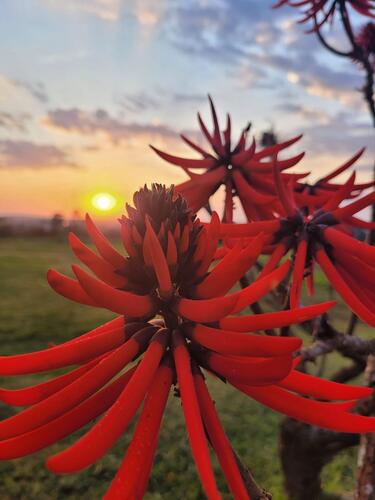 Erythrina speciosa Coral tree
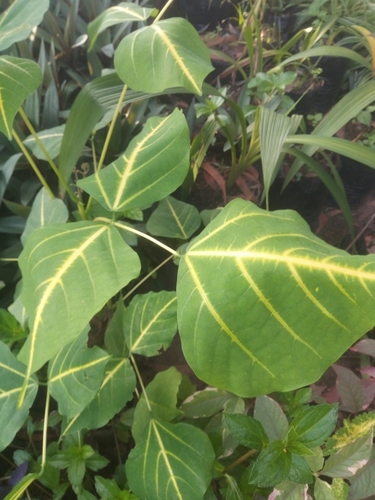 Erythrina variegata India coralbean
 History & registers
Where this page came from built 2026-09-20 · dossier v2 · node
gbif.species answeredgbif.synonyms answeredgbif.vernacular answeredwcvp.distribution answeredgbif.occurrences answeredGBIF occurrence search APIclimate nothing to reportwikidata answeredcarried from build of 2026-09-20 (rederive); that build: carried from build of 2026-09-20 (rederive); that build: carried from build of 2026-09-19 (rederive); that build: carried from build of 2026-09-19 (rederive)wikipedia answeredcarried from build of 2026-09-20; this build: skippedinat.taxon not askedcarried from build of 2026-09-20 (rederive); that build: carried from build of 2026-09-20 (rederive)inat.photos.wild not askedcarried from build of 2026-09-20 (rederive); that build: carried from build of 2026-09-20 (rederive); that build: carried from build of 2026-09-19 (rederive); that build: not asked: 43 wild photographs already from the GBIF downloadinat.photos.cultivated nothing to reportcarried from build of 2026-09-20 (rederive); that build: carried from build of 2026-09-20 (rederive); that build: carried from build of 2026-09-19 (rederive); that build: carried from build of 2026-09-19 (rederive)commons nothing to reportcarried from build of 2026-09-20 (rederive); that build: carried from build of 2026-09-20 (rederive); that build: carried from build of 2026-09-19 (rederive); that build: carried from build of 2026-09-19 (rederive)gbif.media answeredopenalex answeredcarried from build of 2026-09-20; this build: skippedEvery upstream is recorded as having answered, reported nothing, or refused. Only “nothing to report” is ever shown as an absence. Records came from 36 datasets via GBIF.org; each carries its own licence.