Malvaceae › Hibiscus › 38 of 50
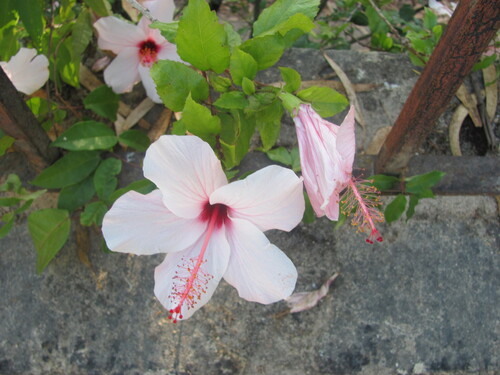
Hibiscus × rosa-sinensis L.
Chinese hibiscus; China-rose; Hawaiian hibiscus; Shoe-black plant
Also called Hibiscus androphoro-petaloides, Hibiscus androphoropetaloides, and 39 more.
| Family | Malvaceae |
|---|---|
| Native to | WCVP lists no region where it is native; the regions it does list are named here. |
| Your plants | Add one · related species |
Malvaceae
Also called China-rose; Hawaiian hibiscus; Shoe-black plant
Family Malvaceae
A hybrid: H. cooperi × H. kaute, the parents Kew's World Checklist states for it (WCVP, RBG Kew).



 79 photographs ›
Summary
Hibiscus × rosa-sinensis (known colloquially as Chinese hibiscus, China rose, Hawaiian hibiscus, rose mallow and shoeblack plant) is a cultigen of tropical hibiscus, a flowering plant in the Hibiscus genus and Hibisceae tribe of the family Malvaceae.
Quoted from Wikipedia, "Hibiscus × rosa-sinensis", its opening paragraph, revision 1378428895, read 2026-11-08, CC BY-SA 4.0.
About the genus · Hibiscus
Hibiscus is a genus of plants in the family Malvaceae native to the tropics and subtropics. The genus is quite large, comprising 319 species. Hibiscus are renowned for their large, showy flowers and those species are commonly known simply as "hibiscus", or less widely known as rose mallow. More on Wikipedia ›
Quoted from Wikipedia, "Hibiscus", its opening paragraph, revision 1382085559, read 2026-11-08, CC BY-SA 4.0.
Cultivation
Climate across the habitat
Natural habitat
Flowering by month
- 8Jan
- 11Feb
- 12Mar
- 25Apr
- 9May
- 13Jun
- 29Jul
- 12Aug
- 17Sep
- 21Oct
- 9Nov
- 6Dec
Flowering observations of wild plants on iNaturalist, as iNaturalist shares them with GBIF: GBIF.org (2026-11-15) GBIF Occurrence Download https://doi.org/10.15468/dl.y8zpkp: 172 observations, research grade, openly licensed (CC0, CC BY or CC BY-NC), counted under the page's GBIF keys. Calendar months, as each plant was observed; not moved to your hemisphere.
Photographs
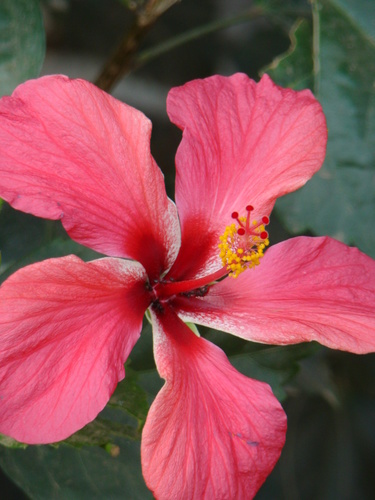
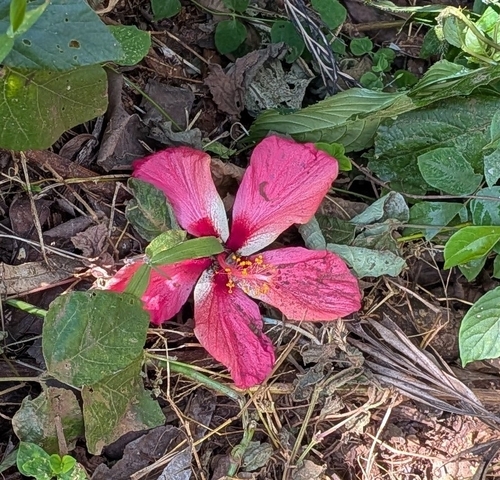
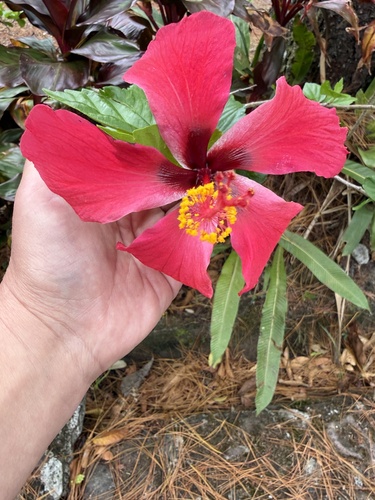
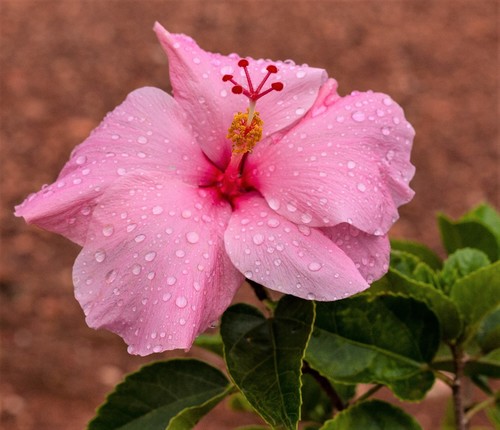
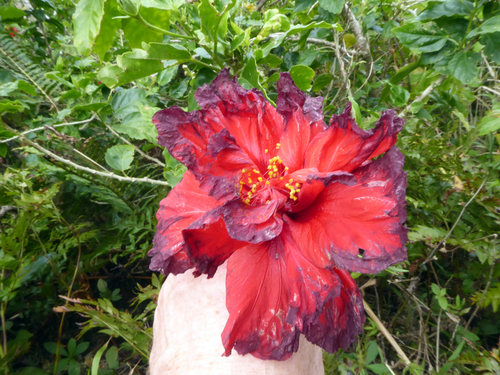
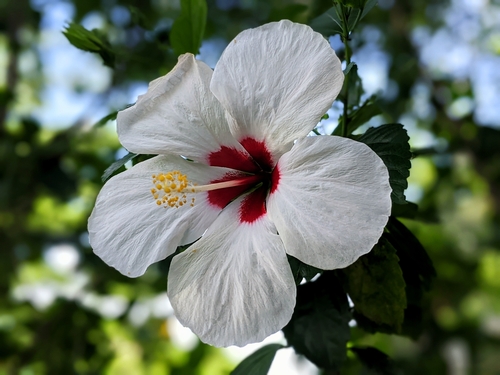
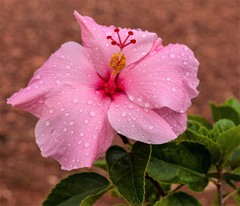
The photograph at the top: (c) zebedeugalinha, some rights reserved (CC BY), in cultivation, observed 2025-09-13. Photographs: Jean-Paul Boerekamps, no rights reserved (CC0); (c) mikazilla, some rights reserved (CC BY); (c) ashleyrsteel, some rights reserved (CC BY); (c) Gerry van Tonder, some rights reserved (CC BY); Peter de Lange, no rights reserved (CC0); Pippo Carmona, no rights reserved (CC0). Credits as read from iNaturalist on 2026-11-04. What each licence allows.
Related
Other Hibiscus 49 in the reference
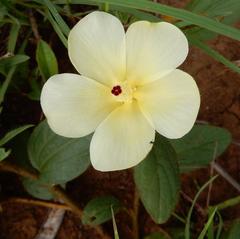 Hibiscus aethiopicus Cape Hibiscus Photo: CC BY, Henry de Lange
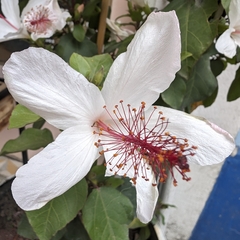 Hibiscus arnottianus White Molokai Hibiscus Photo: CC BY-SA, Leonardo Manuel Baez Schuh
 Hibiscus biseptus Arizona rose-mallow Photo: CC0, Daniel
 Hibiscus boryanus Malvaceae Photo: CC BY-SA, B.navez
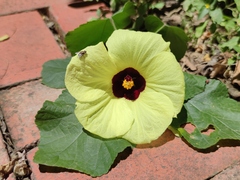 Hibiscus calyphyllus Lemonyellow rosemallow Photo: CC BY, Liliana Ramírez-Freire
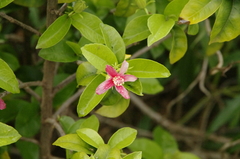 Hibiscus clayi Clay's hibiscus Photo: CC BY, Eric Knight
 Hibiscus columnaris Malvaceae Photo: CC BY-SA, El Funcionario
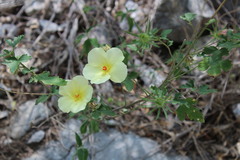 Hibiscus coulteri Desert rose-mallow Photo: CC BY-SA, Francisco Martínez González
 Hibiscus denudatus Rock hibiscus Photo: CC0, Craig Martin
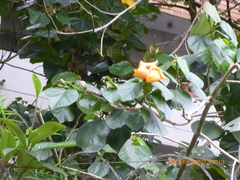 Hibiscus elatus Mahoe Photo: CC BY, Daniel A. Monsalve Ortiz all 50 ›
Names & registers
Also known as Hibiscus androphoro-petaloides; Hibiscus androphoropetaloides; Hibiscus arnottii; Hibiscus carminata-perfecta; Hibiscus colleri and 36 more. (GBIF Backbone)
WFO Plant List (2026-06) accepted. World Flora Online, CC0; read 2026-11-13.
Published in Sp. Pl.: 694 (1753) (WCVP, RBG Kew, file of 2026-06-04)
Elsewhere Tropicos · Catalogue of Life · NatureServe · Flora of North America · Flora of China · USDA PLANTS · Calflora · Reflora · APNI · Missouri Plant Finder · CalPhotos · EOL · ITIS · NCBI (identifiers from Wikidata's item Q159534, read 2026-11-13, CC0)
Chromosomes 2n = 84 (Krishnappa & Munirajappa 1982). ChromoDB, IAPT/IOPB chromosome data (Simon, Bosch & Blanché), version 3.1 of 8 November 2026, CC BY 4.0; read 2026-11-13.
Parents
Kew's World Checklist gives this hybrid's parents as “H. cooperi × H. kaute” (WCVP, RBG Kew, file of 2026-06-04). Each parent's own habitat is shown beside the other's, not combined.
| Parent | Coldest month, mean low | Warmest month, mean high | Rain a year | Record low |
|---|---|---|---|---|
| Hibiscus cooperi | its page has no habitat climate. | |||
| Hibiscus kaute | its page has no habitat climate. | |||
The record
Predicted extinction risk 36% probability of being threatened (95% interval 25% to 48%); predicted not threatened, low confidence: the interval crosses the model's threshold. A model's prediction, not an assessment. Bachman et al. 2024, New Phytologist; Kew's data of 1 February 2024, CC BY 4.0; read 2026-11-13.
CITES Not in the CITES Appendices (the edition in force from 5 March 2026): no listing of its name, its genus or its family. CITES Appendices I, II and III, valid from 5 March 2026; read 2026-11-13. The Appendices
Every figure here is derived from public data by a stated rule and names its source; nothing about this species is written for its page by a person or by AI, apart from the marked, credited quotations. How →
Where this page came from built 2026-11-18
gbif.species answeredkept from this page's build of 2026-11-01gbif.synonyms answeredkept from this page's build of 2026-11-01gbif.vernacular answeredasked 2026-11-18names fetched 2026-10-22; carried by an offline re-derivation of 2026-11-18wcvp.distribution answeredas of 2026-06-04Kew's entry lists no native region, only 86 where it is introducedgbif.occurrences answeredas of 2026-10-21GBIF occurrence download https://doi.org/10.15468/dl.hbdw64, of 2026-10-21; 10 records at a dataset's default point left out (a coordinate where the records of 20 species or more of this reference lie, nearly all of them with no year, as the reference lists them; a record there its dataset states to within 10 km is kept); 82 records within 1 km of a botanic garden, herbarium or zoo left out (50 at a botanic garden or arboretum, 13 at a herbarium, 19 at a zoo; Wikidata's list)climate nothing to reportasked 2026-11-18Kew's World Checklist lists this plant only as a cultigen ("as a cultigen derived from artificial hybrids in the S. Pacific"), with no wild habitat, so no habitat climate is read from where it is grownwikidata answeredkept from this page's build of 2026-10-22wikipedia answeredWikipedia's article Hibiscus × rosa-sinensis, this species' name (kept from this page's build of 2026-11-12)inat.taxon answerediNaturalist's taxon 62876 (Hibiscus rosa-sinensis) is inactive; followed to its current taxon 1628098 (Hibiscus × rosa-sinensis): Hibiscus × rosa-sinensis is one of this species' names (kept from this page's build of 2026-10-22)inat.photos.wild answeredasked 2026-10-26from iNaturalist's API: research-grade observations not marked captive with an open-licence photograph, the observations iNaturalist puts first by votes, 24 of them (the open data of 2026-09-27 holds 70, and no votes); filled 2026-10-26; descendants read against Kew's file of 2026-06-04; kept by the build of 2026-11-18 (this build: not asked: this build left iNaturalist to the daily fill, which asks for the photographs once the page's taxon is known)inat.photos.cultivated answeredasked 2026-10-26observations marked captive or cultivated whose identifications agree; filled 2026-10-26; kept by the build of 2026-11-18 (this build: not asked: this build left iNaturalist to the daily fill, which asks for the photographs once the page's taxon is known)gbif.media answeredas of 2026-10-21from the GBIF download https://doi.org/10.15468/dl.hbdw64, of 2026-10-21commons not askedkept from this page's build of 2026-10-28openalex not askedthe reference does not ask OpenAlex for papersEvery source is recorded as having answered, reported nothing, refused, failed, not been asked, or answered twice where one answer is taken (“not taken: two items answered”), and, for a source asked when this page was built, when: the figures are as the source held them that day; a source read from a file (Kew's World Checklist, a GBIF download) says "as of" the file's day instead; a row carried from an earlier build of the page names that build instead. Only “nothing to report” is ever shown as an absence. Records came from 248 datasets via GBIF.org; each carries its own licence.