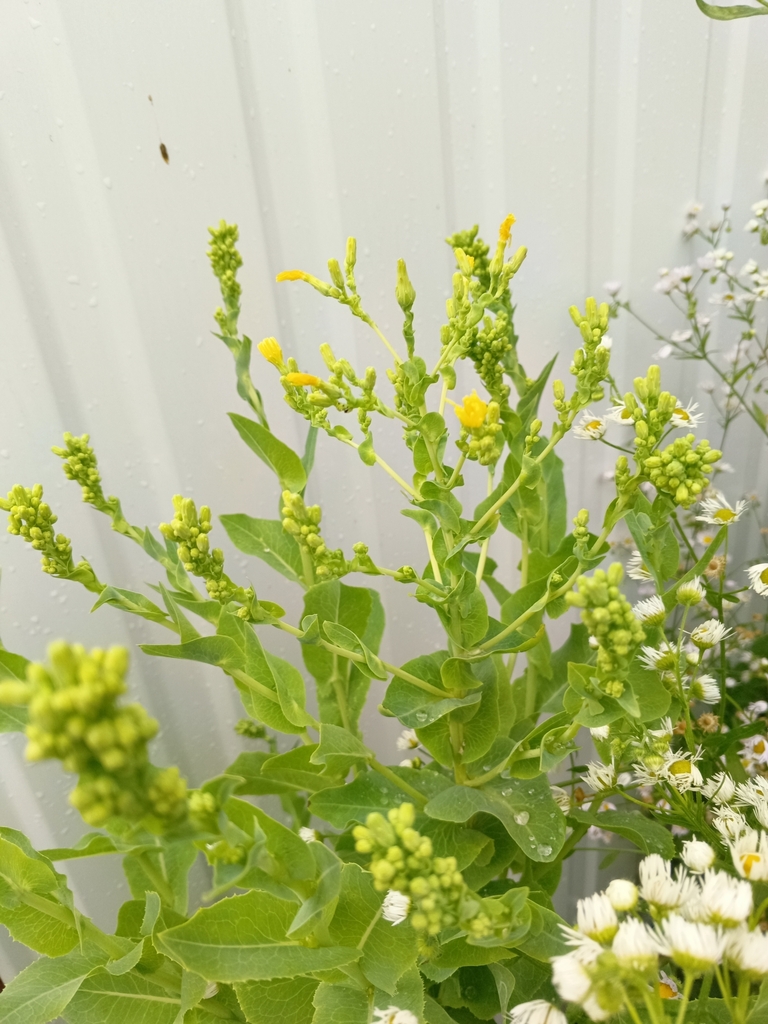
Lactuca sativa L.
Fú-mak, Garden Lettuce, Kopfsalat (DE); Garden Lettuce (EN); Lechuga comun (ES)
Every figure on this page is derived from public data by a stated rule and says its source; nothing here is written by a person or a model, except the Wikipedia passage, which is quoted and marked as such. How it is made.
Summary
Lettuce is an annual plant of the family Asteraceae mostly grown as a leaf vegetable. The leaves are most often used raw in green salads, although lettuce is also seen in other kinds of food, such as sandwiches, wraps and soups; it can also be grilled. Its stem and seeds are sometimes used; celtuce is one variety grown for its stems, which are eaten either raw or cooked. In addition to its main use as a leafy green, it has also gathered religious and medicinal significance over centuries of human consumption. More on Wikipedia ›
The opening of Wikipedia, “Lettuce”, CC BY-SA 4.0, quoted as written. Kept separate from everything derived here.
About the genus · Lactuca
Lactuca, commonly known as lettuce, is a genus of flowering plants in the family Asteraceae. The genus includes at 117 recognized species, distributed worldwide, but mainly in temperate Eurasia.
Text from Wikipedia, “Lactuca”, CC BY-SA 4.0, quoted as written.
Also known as Lactuca capitata (L.) Cuvier; Lactuca capitata (L.) DC.; Lactuca capitata Garsault; Lactuca cracoviensis Sawicz.; Lactuca cracoviensis var. praecox Sawicz. and 45 more.
Cultivation
Climate across the habitat
Natural habitat
Photographs
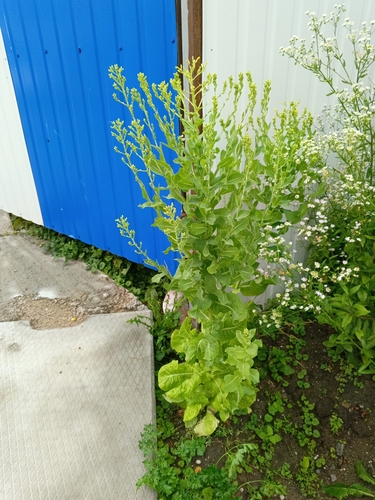
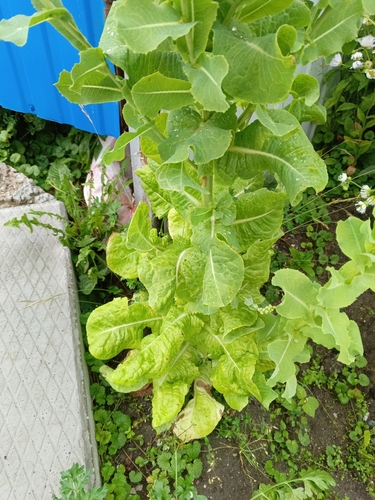
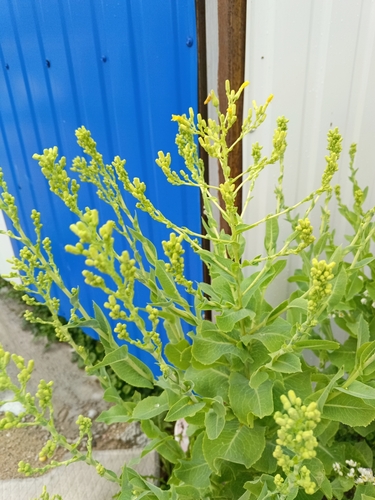
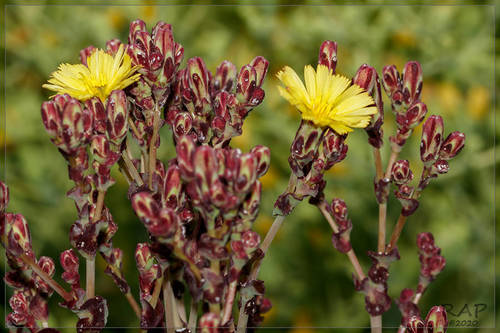
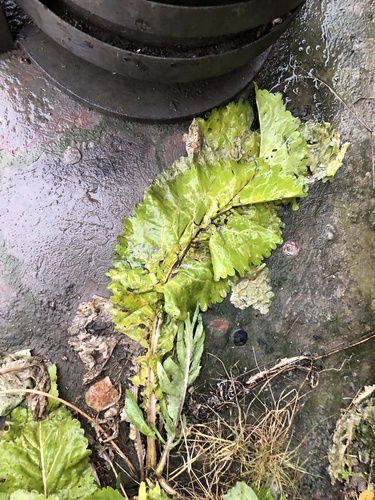
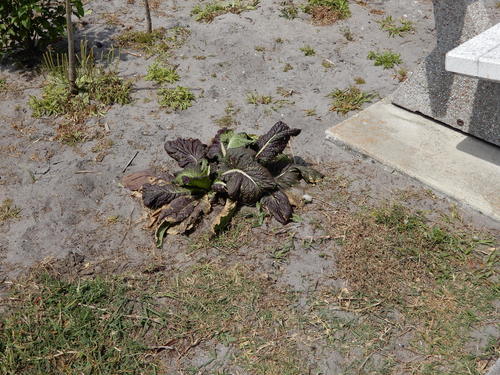
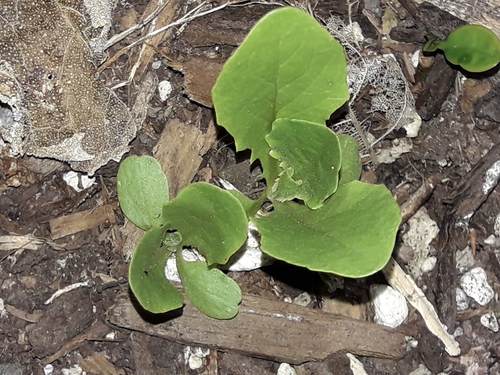
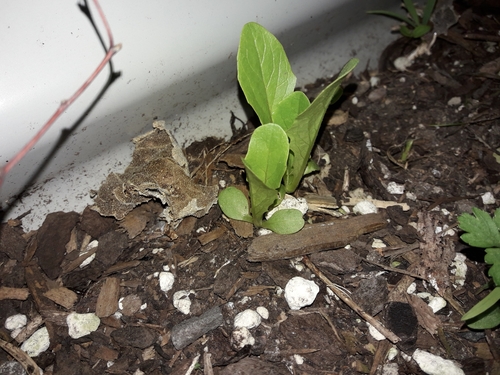
Photographs: (c) Maria Kohanovskaya, some rights reserved (CC BY) (3); (c) RAP, some rights reserved (CC BY); (c) Roman A. Lagazyuk (Роман А. Лагазюк), some rights reserved (CC BY); (c) Lyndsey, some rights reserved (CC BY); (c) naturewatchwidow, some rights reserved (CC BY) (2).
Photographs: iNaturalist did not answer when this page was built; what is shown came from the sources that did.
Papers naming this species
Works whose title or abstract names Lactuca sativa, most cited first, from OpenAlex (CC0). A mention, not a cultivation source: nothing on this page is drawn from them.
History & registers
Where this page came from built 2026-09-20 · dossier v2 · node
gbif.species answeredcarried from build of 2026-09-19 (offline re-derivation; the backbone was not asked)gbif.synonyms answeredcarried from build of 2026-09-19 (offline re-derivation; the backbone was not asked)gbif.vernacular answeredcarried from build of 2026-09-19 (offline re-derivation; the backbone was not asked)wcvp.distribution answeredgbif.occurrences answeredGBIF occurrence download https://doi.org/10.15468/dl.3h4zamclimate nothing to reportwikidata answeredcarried from build of 2026-09-19 (rederive); that build: carried from build of 2026-09-19 (rederive)wikipedia answeredcarried from build of 2026-09-19; this build: skippedinat.taxon not askedinat.photos.wild answeredcarried from build of 2026-09-19; this build: skippedinat.photos.cultivated nothing to reportcarried from build of 2026-09-19 (rederive); that build: filled 2026-09-20commons nothing to reportcarried from build of 2026-09-19 (rederive); that build: carried from build of 2026-09-19 (rederive)gbif.media answeredopenalex answeredcarried from build of 2026-09-19; this build: skippedEvery upstream is recorded as having answered, reported nothing, or refused. Only “nothing to report” is ever shown as an absence. Records came from 109 datasets via GBIF.org; each carries its own licence.