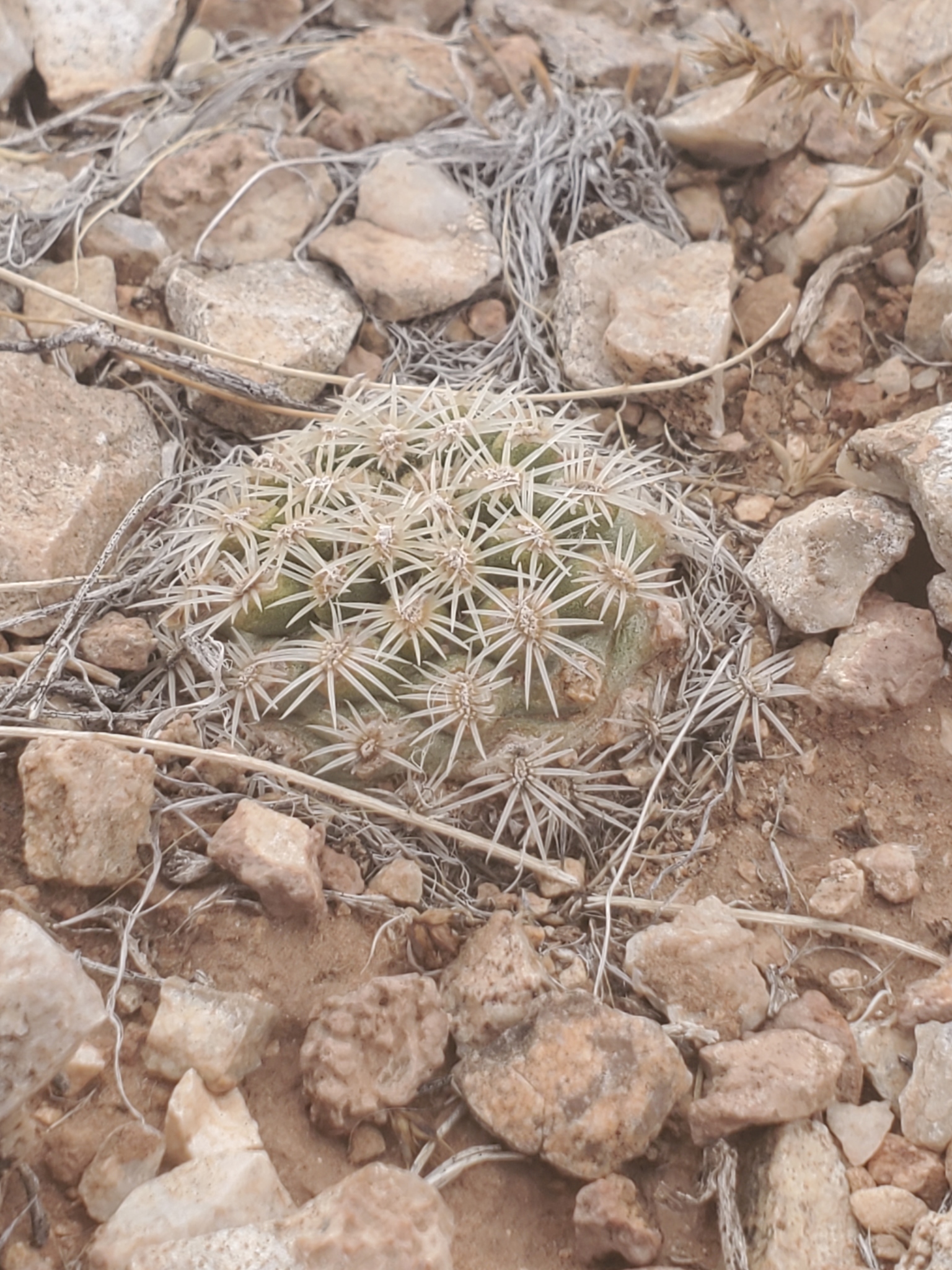
Pediocactus bradyi L.D.Benson
Brady's Hedgehog Cactus, Brady's Pincushion Cactus, Brady's pediocactus, Marble Canyon cactus
Every figure on this page is derived from public data by a stated rule and says its source; nothing here is written by a person or a model, except the Wikipedia passage, which is quoted and marked as such. How it is made.
Summary
Pediocactus bradyi is a very rare species of cactus known by the common names Brady's pincushion cactus, Brady's hedgehog cactus, and Marble Canyon cactus. It is endemic to Arizona in the US, where it is restricted to Marble Canyon in Coconino County, though its exact distribution is not generally advertised due to poaching concerns. It is limited to a specific type of soil, it has a small distribution, and the species is threatened by a number of human activities. This has been a federally listed endangered species of the United States since 1979.
Text from Wikipedia, “Pediocactus bradyi”, CC BY-SA 4.0, quoted as written. Kept separate from everything derived here.
About the genus · Pediocactus
Pediocactus is a genus of cacti native to the Western United States. The genus comprises between 6 and 11 species, depending upon the authority. Species of this genus are referred to as hedgehog cacti, though that name is also applied to plants from the genera Echinocereus and Echinopsis. More on Wikipedia ›
The opening of Wikipedia, “Pediocactus”, CC BY-SA 4.0, quoted as written.
Also known as Pediocactella bradyi (L.D.Benson) Doweld.
Cultivation
Grouped as a cactus or succulent by Cactaceae, which is usually but not always one kind of plant (archetype table). The table holds no figure for this group, which spans too much for one minimum, and no habitat climate is derived yet; no cold floor is given, and no prose comes from the table.
Climate across the habitat
Natural habitat
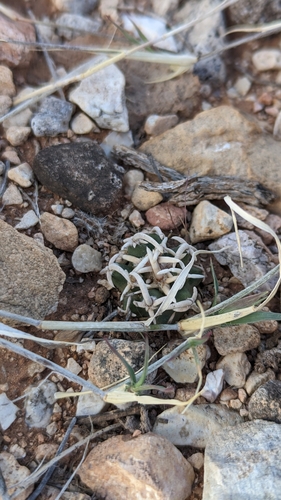
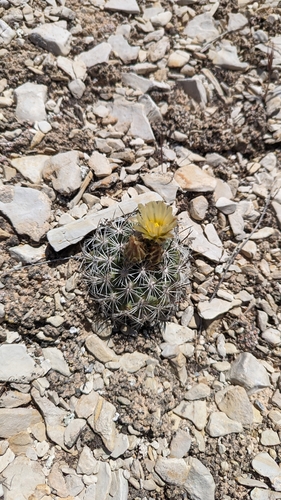
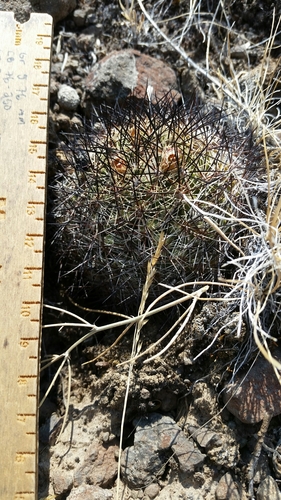
Photographs
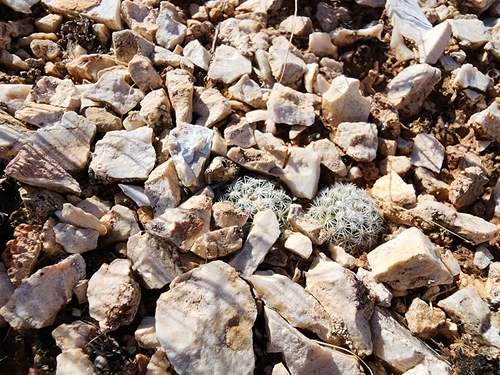
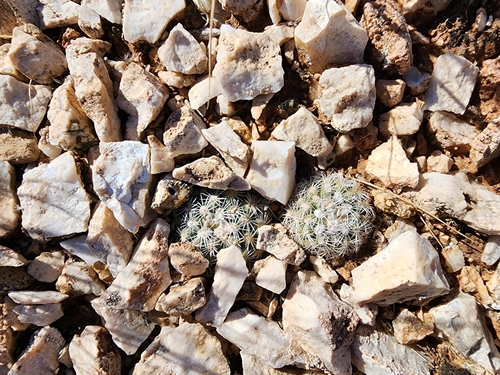
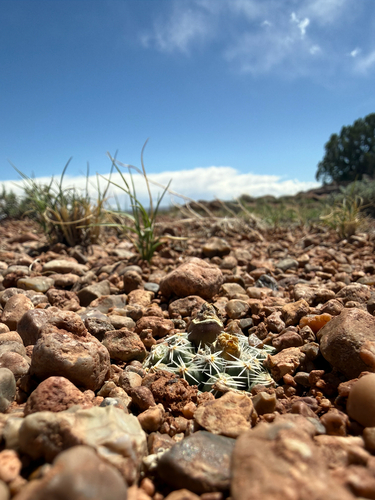
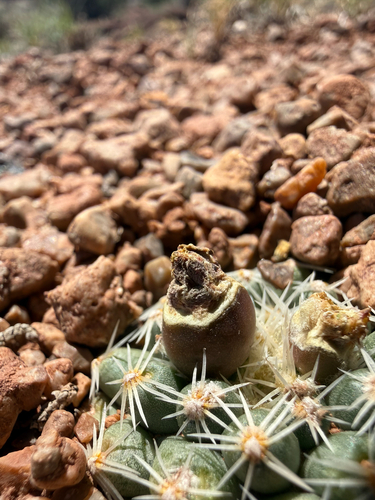
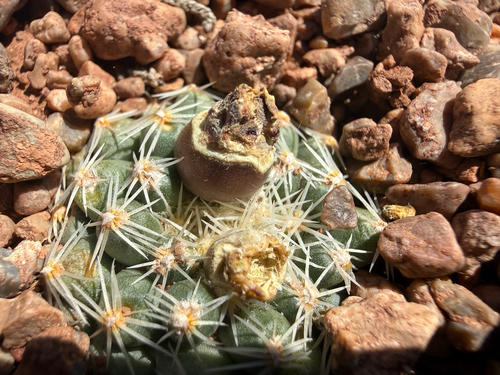
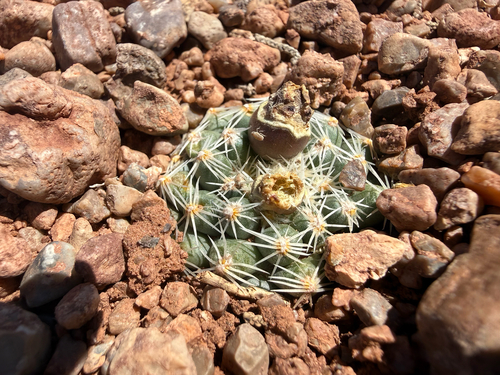
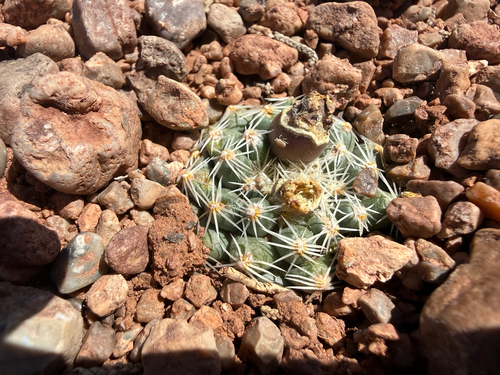
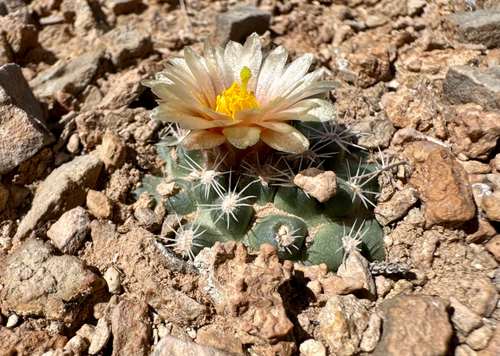
Photographs: Trevor Harding, CC BY, iNaturalist via GBIF (2); Zach Earl, CC BY, iNaturalist via GBIF (5); Parker James Lloyd, CC BY, iNaturalist via GBIF.
Photographs: iNaturalist did not answer when this page was built; what is shown came from the sources that did.
Papers naming this species
Works whose title or abstract names Pediocactus bradyi, most cited first, from OpenAlex (CC0). A mention, not a cultivation source: nothing on this page is drawn from them.
Related
Other Pediocactus 6 in the reference
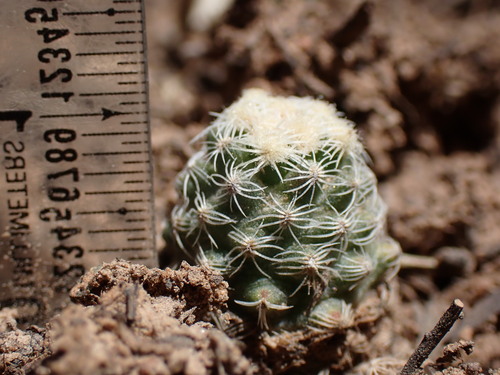 Pediocactus knowltonii Knowlton's cactus
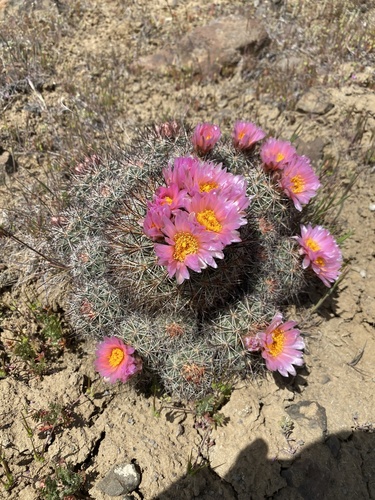 Pediocactus nigrispinus Columbia Plateau Cactus
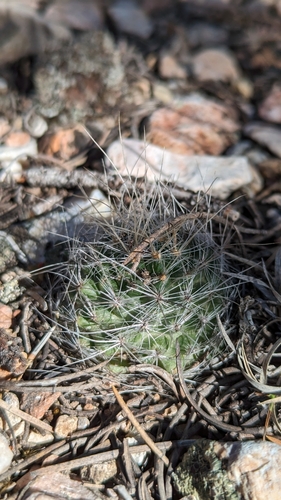 Pediocactus paradinei Houserock Valley cactus
 Pediocactus peeblesianus Navajo Pincushion Cactus
 Pediocactus sileri Siler's Pincushion Cactus
 Pediocactus simpsonii Mountain Ball Cactus
 History & registers
Where this page came from built 2026-09-20 · dossier v2 · node
gbif.species answeredcarried from build of 2026-09-19 (offline re-derivation; the backbone was not asked)gbif.synonyms answeredcarried from build of 2026-09-19 (offline re-derivation; the backbone was not asked)gbif.vernacular answeredcarried from build of 2026-09-19 (offline re-derivation; the backbone was not asked)wcvp.distribution answeredgbif.occurrences answeredGBIF occurrence download https://doi.org/10.15468/dl.3h4zamclimate nothing to reportwikidata answeredcarried from build of 2026-09-19 (rederive); that build: carried from build of 2026-09-19 (rederive)wikipedia answeredcarried from build of 2026-09-19; this build: skippedinat.taxon not askedinat.photos.wild answeredcarried from build of 2026-09-19 (rederive); that build: carried from build of 2026-09-19 (rederive)inat.photos.cultivated nothing to reportcarried from build of 2026-09-19 (rederive); that build: carried from build of 2026-09-19 (rederive)commons nothing to reportcarried from build of 2026-09-19 (rederive); that build: carried from build of 2026-09-19 (rederive)gbif.media answeredopenalex answeredcarried from build of 2026-09-19; this build: skippedEvery upstream is recorded as having answered, reported nothing, or refused. Only “nothing to report” is ever shown as an absence. Records came from 3 datasets via GBIF.org; each carries its own licence.