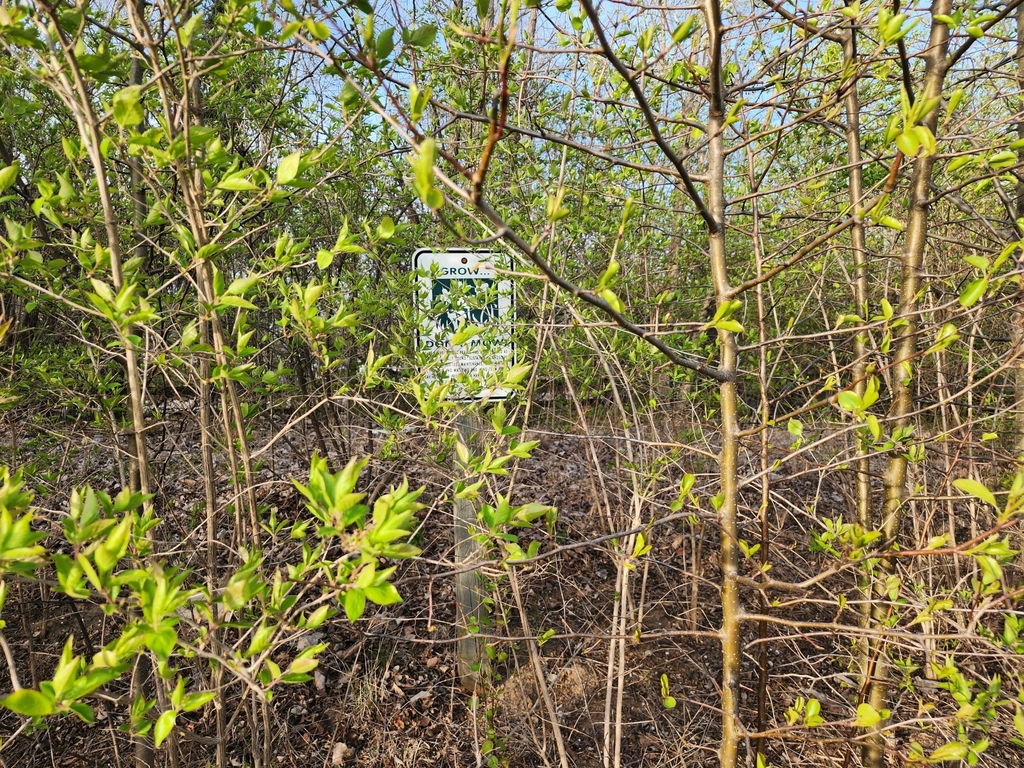
Pyrus calleryana Decne.
Bradford, Bradford Pear, Bradford pear, Callery Pear
Every figure on this page is derived from public data by a stated rule and says its source; nothing here is written by a person or a model, except the Wikipedia passage, which is quoted and marked as such. How it is made.
Summary
Pyrus calleryana, also known as the Callery pear, is a species of pear tree native to East Asia in the family Rosaceae. Its cultivar Bradford pear, known for its offensive odor that some have described as akin to "rotting fish", is widely planted throughout the United States and increasingly regarded as an invasive species.
Text from Wikipedia, “Pyrus calleryana”, CC BY-SA 4.0, quoted as written. Kept separate from everything derived here.
About the genus · Pyrus
Pears are a genus of trees, Pyrus, in the family Rosaceae, that bear an edible apple-like fruit of the same name. Several species of pears are cultivated for their fruit and juices, while others are grown as ornamental flowering trees.
Text from Wikipedia, “Pear”, CC BY-SA 4.0, quoted as written.
Also known as Pyrus calleryana f. calleryana; Pyrus calleryana f. graciliflora Rehder; Pyrus calleryana f. tomentella Rehder; Pyrus calleryana subsp. dimorphophylla (Makino) Koidz.; Pyrus calleryana var. dimorphophylla (Makino) Koidz. and 6 more.
Cultivation
Climate across the habitat
Natural habitat
Photographs
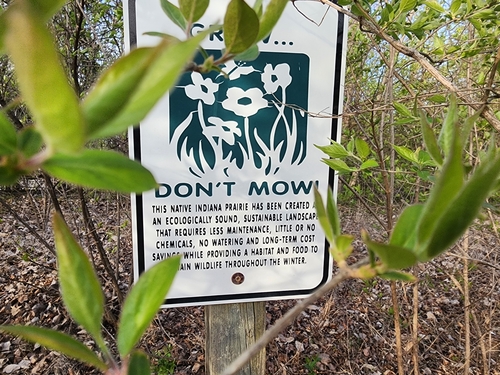
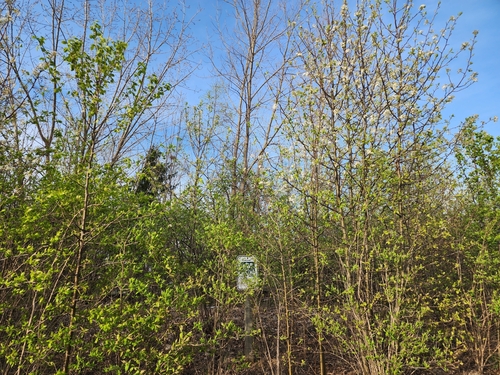
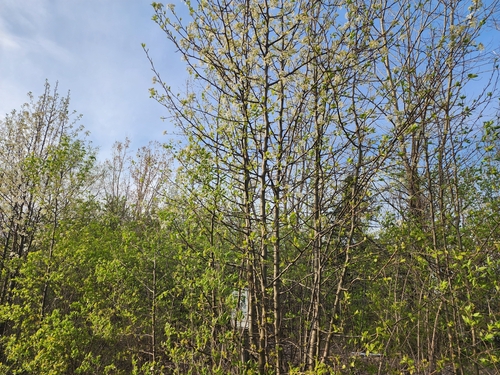
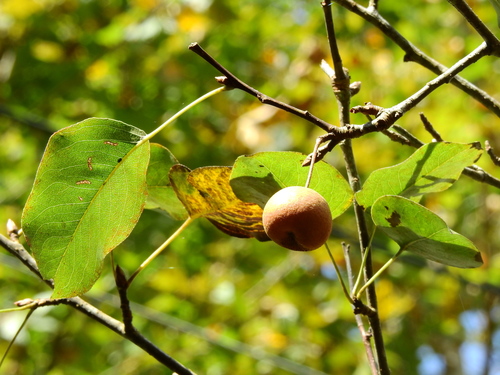
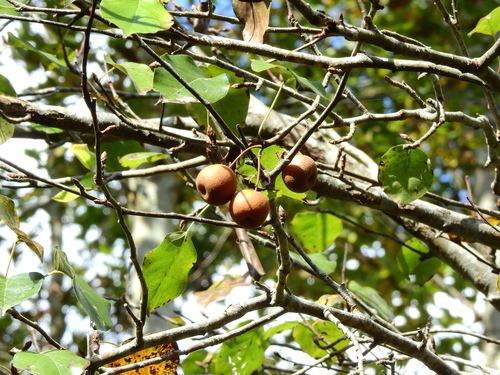
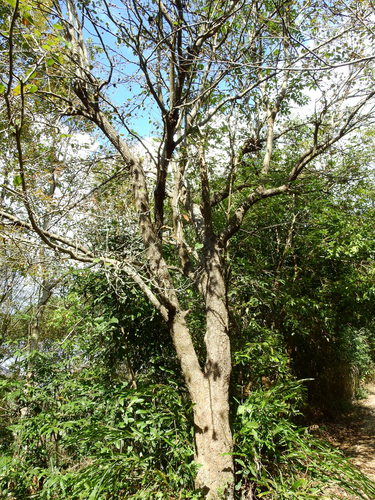
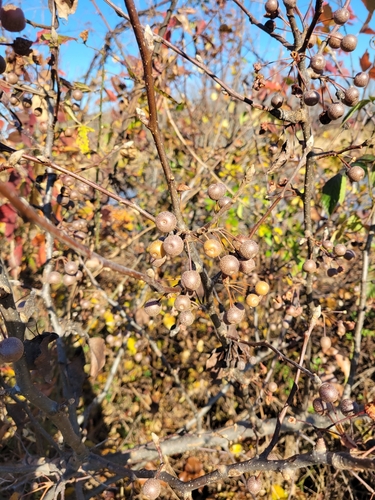
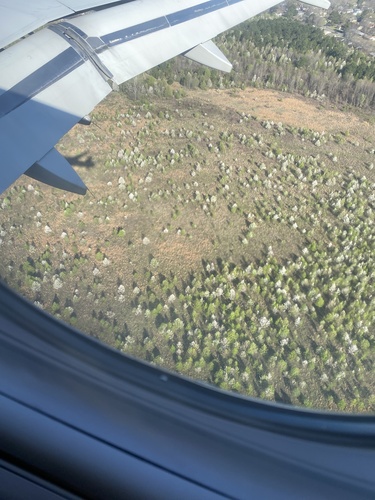
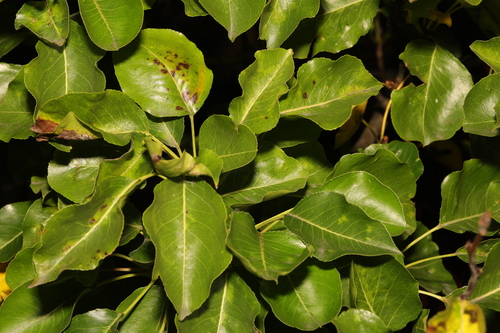
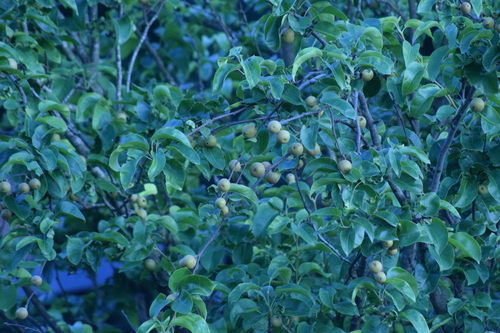
Photographs: (c) Kaden Slone, some rights reserved (CC BY) (3); (c) Jacy Chen, some rights reserved (CC BY) (3); no rights reserved · CC0 (2).
Photographs: iNaturalist and GBIF media did not answer when this page was built; what is shown came from the sources that did.
Papers naming this species
Works whose title or abstract names Pyrus calleryana, most cited first, from OpenAlex (CC0). A mention, not a cultivation source: nothing on this page is drawn from them.
Related
Other Pyrus 2 in the reference
History & registers
Where this page came from built 2026-09-20 · dossier v2 · node
gbif.species answeredcarried from build of 2026-09-20 (offline re-derivation; the backbone was not asked)gbif.synonyms answeredcarried from build of 2026-09-20 (offline re-derivation; the backbone was not asked)gbif.vernacular answeredcarried from build of 2026-09-20 (offline re-derivation; the backbone was not asked)wcvp.distribution answeredgbif.occurrences answeredGBIF occurrence search APIclimate nothing to reportwikidata answeredcarried from build of 2026-09-20 (rederive); that build: carried from build of 2026-09-19 (rederive); that build: carried from build of 2026-09-19 (rederive)wikipedia answeredcarried from build of 2026-09-20; this build: skippedinat.taxon not askedcarried from build of 2026-09-20 (rederive)inat.photos.wild answeredcarried from build of 2026-09-20; this build: skippedinat.photos.cultivated nothing to reportcarried from build of 2026-09-20 (rederive); that build: carried from build of 2026-09-19 (rederive); that build: carried from build of 2026-09-19 (rederive)commons nothing to reportcarried from build of 2026-09-20 (rederive); that build: carried from build of 2026-09-19 (rederive); that build: carried from build of 2026-09-19 (rederive)gbif.media did not answercarried from build of 2026-09-20 (rederive); that build: api.gbif.org not asked: offline re-derivationopenalex answeredcarried from build of 2026-09-20; this build: skippedEvery upstream is recorded as having answered, reported nothing, or refused. Only “nothing to report” is ever shown as an absence. Records came from 4 datasets via GBIF.org; each carries its own licence.