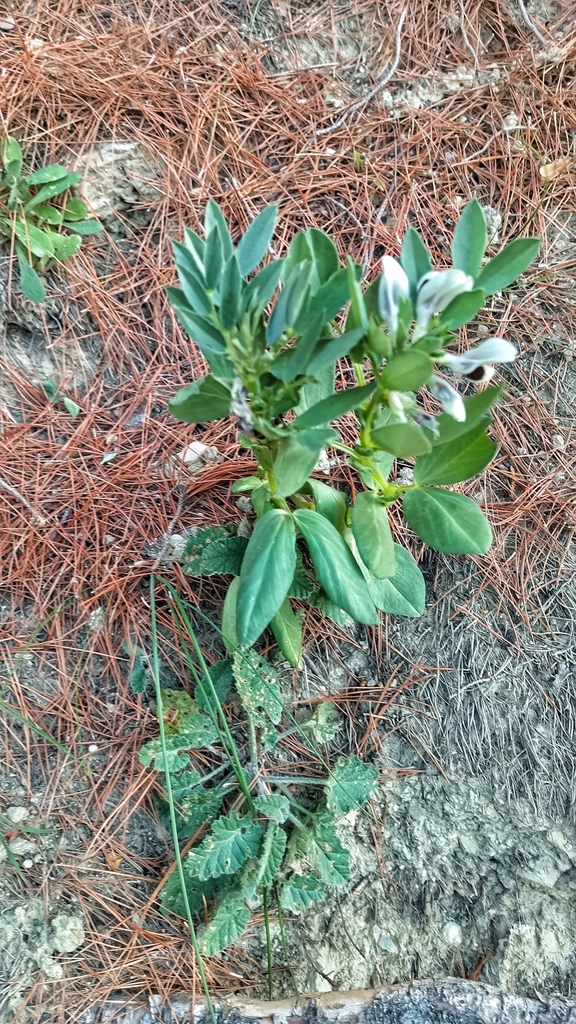
Vicia faba L.
Bazzann-a, Bober, Broad Bean, Fava bean
Every figure on this page is derived from public data by a stated rule and says its source; nothing here is written by a person or a model, except the Wikipedia passage, which is quoted and marked as such. How it is made.
Summary
Vicia faba, commonly known as the broad bean, fava bean, or faba bean, is a species of vetch, a flowering plant in the pea and bean family Fabaceae. It is widely cultivated as a crop for human consumption, and also as a cover crop. Varieties with smaller, harder seeds that are fed to horses or other animals are called field bean, tic bean or tick bean. This legume is commonly consumed in many national and regional cuisines.
Text from Wikipedia, “Vicia faba”, CC BY-SA 4.0, quoted as written. Kept separate from everything derived here.
About the genus · Vicia
Vicia is a genus of over 240 species of flowering plants that are part of the legume family (Fabaceae), and which are commonly known as vetches. Vicia species are native to Eurasia, Africa, and the Americas.
Text from Wikipedia, “Vicia”, CC BY-SA 4.0, quoted as written.
Also known as Faba bona subsp. equina (Medik.) Soják; Faba communis Delarbre, 1800; Faba equina Medik.; Faba faba (L.) House; Faba major Desf. and 45 more.
Cultivation
Climate across the habitat
Natural habitat
Photographs
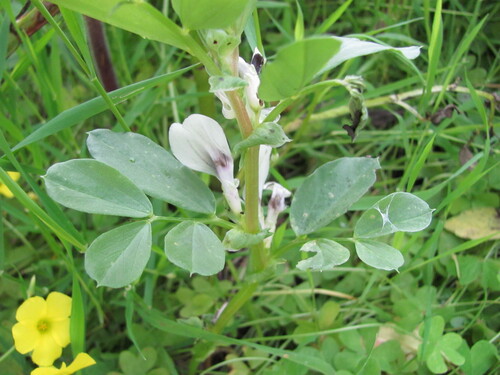
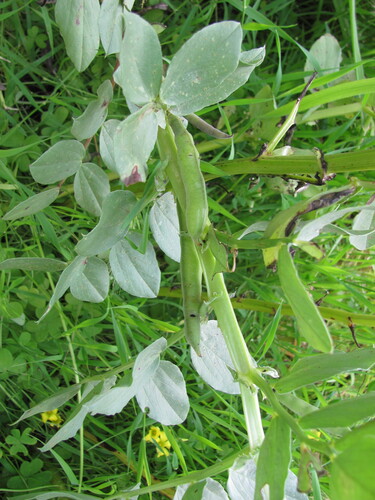
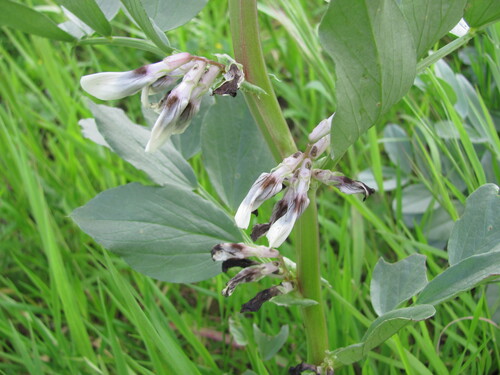
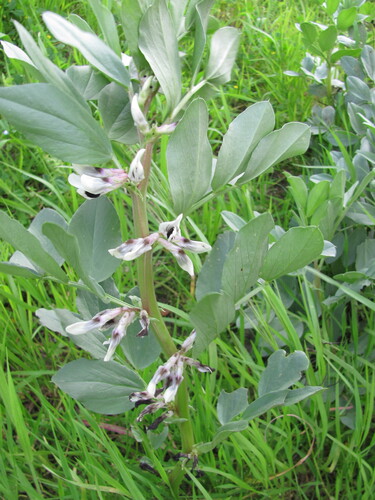
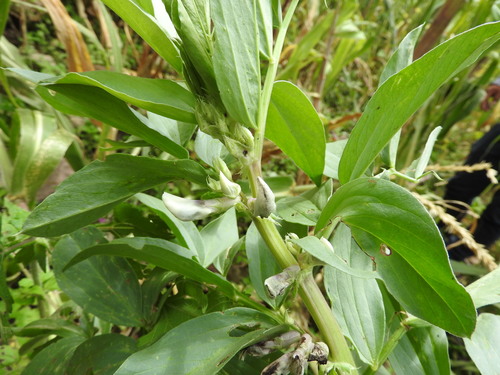
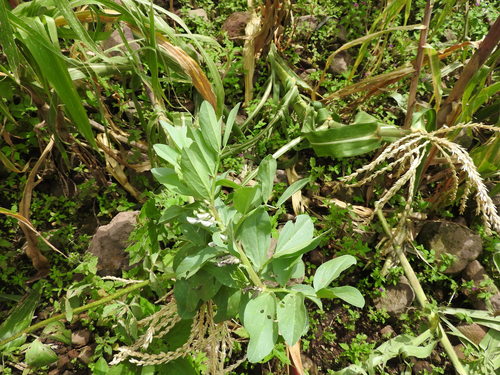
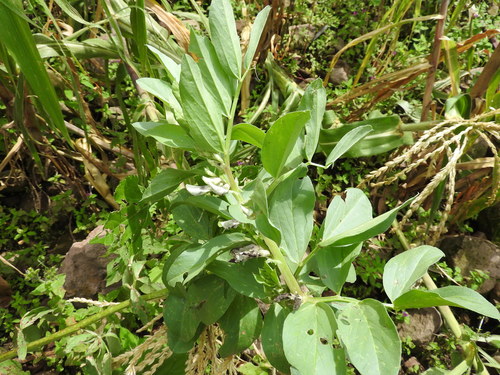
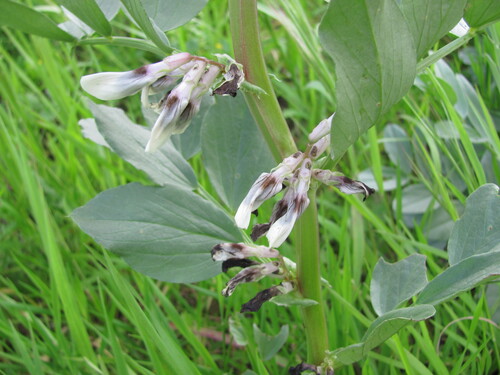
Photographs: (c) zebedeugalinha, some rights reserved (CC BY) (5); (c) Oscar Alejandro Morales Juárez, some rights reserved (CC BY-SA) (3).
Photographs: iNaturalist did not answer when this page was built; what is shown came from the sources that did.
Papers naming this species
Works whose title or abstract names Vicia faba, most cited first, from OpenAlex (CC0). A mention, not a cultivation source: nothing on this page is drawn from them.
History & registers
Where this page came from built 2026-09-20 · dossier v2 · node
gbif.species answeredcarried from build of 2026-09-19 (offline re-derivation; the backbone was not asked)gbif.synonyms answeredcarried from build of 2026-09-19 (offline re-derivation; the backbone was not asked)gbif.vernacular answeredcarried from build of 2026-09-19 (offline re-derivation; the backbone was not asked)wcvp.distribution answeredgbif.occurrences answeredGBIF occurrence download https://doi.org/10.15468/dl.3h4zamclimate nothing to reportwikidata answeredcarried from build of 2026-09-19 (rederive); that build: carried from build of 2026-09-19 (rederive)wikipedia answeredcarried from build of 2026-09-19; this build: skippedinat.taxon not askedinat.photos.wild answeredcarried from build of 2026-09-19; this build: skippedinat.photos.cultivated nothing to reportcarried from build of 2026-09-19 (rederive); that build: carried from build of 2026-09-19 (rederive)commons nothing to reportcarried from build of 2026-09-19 (rederive); that build: carried from build of 2026-09-19 (rederive)gbif.media answeredopenalex answeredcarried from build of 2026-09-19; this build: skippedEvery upstream is recorded as having answered, reported nothing, or refused. Only “nothing to report” is ever shown as an absence. Records came from 77 datasets via GBIF.org; each carries its own licence.