Amaranthaceae
231 species in 62 genera · 223 with a habitat climate · 222 grown, per iNaturalist, 9 not counted
Most native to: Mexico Northeast 49Mexico Northwest 48Iran 40Spain 40Texas 40Bolivia 38California 38Greece 37Italy 37Mexico Gulf 37France 36Transcaucasus 36
A species counts in every region it is native to. Native ranges: Kew's World Checklist of Vascular Plants (Govaerts et al., CC BY 4.0), file of 4 June 2026.
231 species
Amaranthaceae
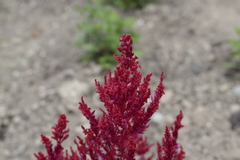 Celosia argentea Cockscomb Photo: CC BY, Zac Sanson
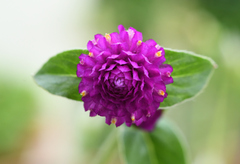 Gomphrena globosa Common globe amaranth Photo: CC BY, sunnyjosef
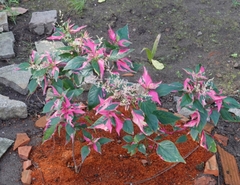 Iresine diffusa Juba's bush Photo: CC0, MadMagpie
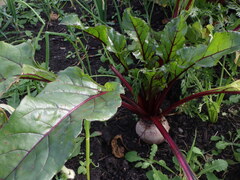 Beta vulgaris Beet Photo: CC BY, Bob
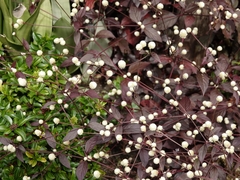 Alternanthera brasiliana Brazilian joyweed Photo: CC0, MadMagpie
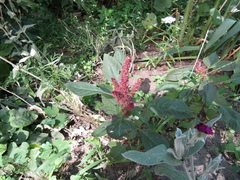 Amaranthus cruentus Purple amaranth Photo: CC BY, Oleksandr Shynder
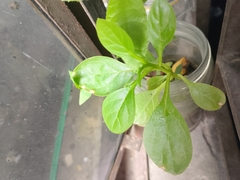 Spinacia oleracea Spinach Photo: CC0, Tanzil Rahman Tonoy
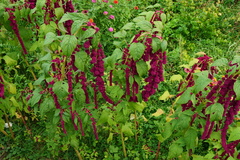 Amaranthus caudatus Love-lies-bleeding Photo: CC BY, Patrick Hacker
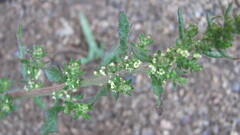 Dysphania ambrosioides Mexican tea Photo: CC BY, zebedeugalinha
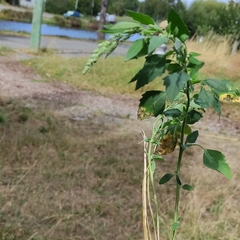 Chenopodium album Lambsquarters Photo: CC BY, Jenny Saito
 Gomphrena haageana Rio Grande globe amaranth Photo: CC BY, Seig
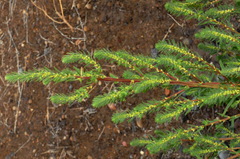 Bassia scoparia Mexican fireweed Photo: CC BY-SA, Brian Finzel
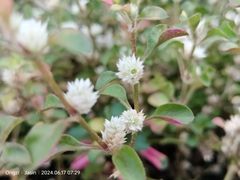 Alternanthera bettzickiana Calico-plant Photo: CC BY-SA, Ong Jyh Seng
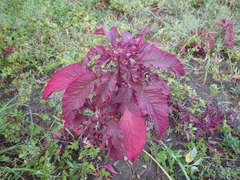 Amaranthus tricolor Tampala Photo: CC BY, Oleksandr Shynder
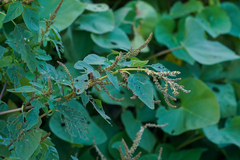 Amaranthus viridis Slender amaranth Photo: CC BY, WATANABE Hitoshi 渡辺仁
 Gomphrena pulchella Photo: CC BY, Julien Lepage
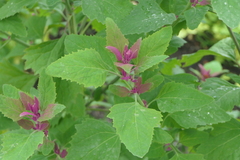 Chenopodium giganteum Tree spinach Photo: CC BY, Pete Bradshaw
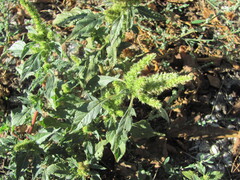 Amaranthus retroflexus Common amaranth Photo: CC BY, zebedeugalinha
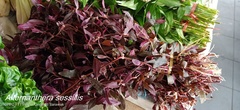 Alternanthera sessilis Sessile joyweed Photo: CC BY-SA, Ong Jyh Seng
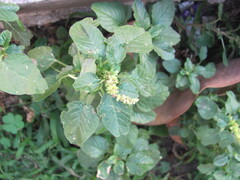 Amaranthus blitum Purple amaranth Photo: CC BY, zebedeugalinha
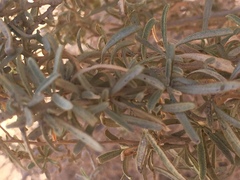 Atriplex canescens Four-wing saltbush Photo: CC BY, W. Terry Hunefeld
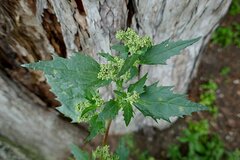 Chenopodiastrum murale Nettle-leaved goosefoot Photo: CC0, Patrick Le Mao
 Chenopodium quinoa Quinoa Photo: CC BY, Barry Walter
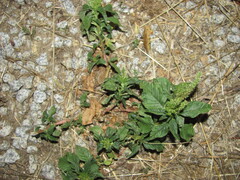 Amaranthus hybridus Green amaranth Photo: CC BY, zebedeugalinha
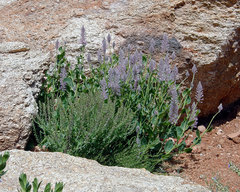 Ptilotus exaltatus Pink Mulla Mulla Photo: CC BY, Pål A. Olsvik
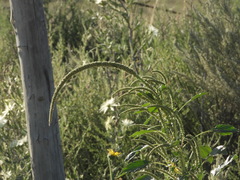 Amaranthus palmeri Dioecious amaranth Photo: CC BY, Jared Shorma
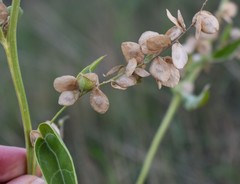 Atriplex hortensis Garden orache Photo: CC BY, Eric Lamb
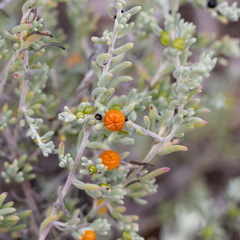 Enchylaena tomentosa Ruby saltbush Photo: CC BY, Kym Nicolson
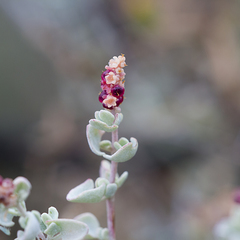 Chenopodium spinescens Berry-saltbush Photo: CC BY, Kym Nicolson
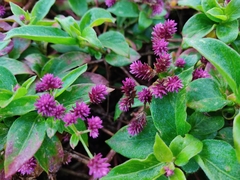 Alternanthera porrigens Photo: CC BY, sandy-espinozaf
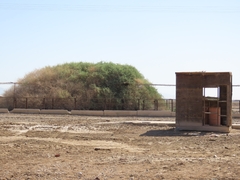 Atriplex lentiformis Big saltbush Photo: CC BY, Bob Miller
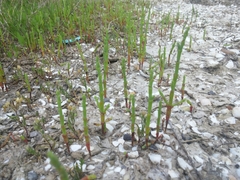 Salicornia bigelovii Dwarf saltwort Photo: CC BY, Jody Shugart
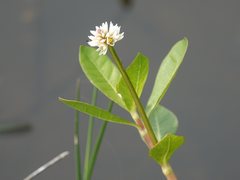 Alternanthera philoxeroides Alligator weed Photo: CC BY, Jacqui Geux
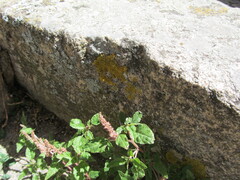 Amaranthus deflexus Perennial pigweed Photo: CC BY, zebedeugalinha
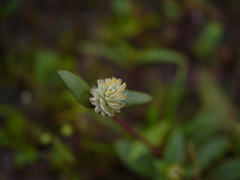 Gomphrena serrata Arrasa con todo Photo: CC BY-SA, Dinesh Valke
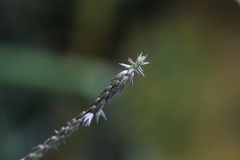 Achyranthes aspera Devil's horsewhip Photo: CC0, Agnes Trekker
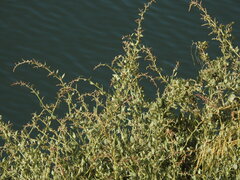 Atriplex halimus Shrubby orache Photo: CC BY, Duarte Frade
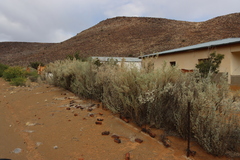 Atriplex nummularia Bluegreen saltbush Photo: CC BY-SA, Tony Rebelo
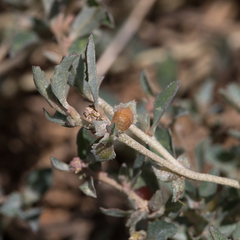 Atriplex semibaccata Australian saltbush Photo: CC BY, Kym Nicolson
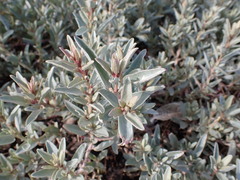 Atriplex cinerea Coast saltbush Photo: CC BY, Leon Perrie
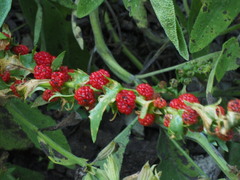 Blitum capitatum Strawberry-blight Photo: CC BY, Katrin Simon
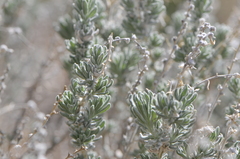 Krascheninnikovia lanata Winterfat Photo: CC BY, Elliott Gordon
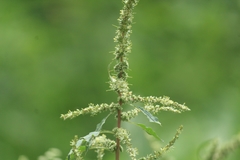 Amaranthus spinosus Spiny amaranth Photo: CC0, Haneesh K M
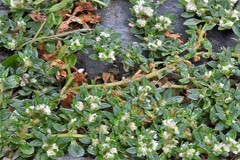 Alternanthera caracasana Washerwoman Photo: CC0, Hugo Hulsberg
 Gomphrena celosioides Gomphrena-weed Photo: CC BY, Fabrício Mil Homens Riella
 Chenopodium berlandieri Pitseed goosefoot Photo: CC0, Darius Regnier
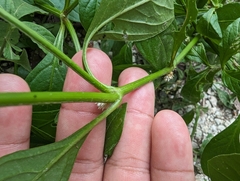 Alternanthera ficoidea Photo: CC BY, 潘立傑 LICHIEH_PAN
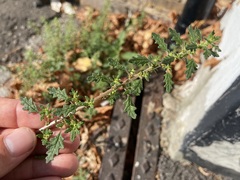 Dysphania pumilio Clammy goosefoot Photo: CC BY, Joss Carr
Grown: iNaturalist's observations of the species marked captive or cultivated; "not counted" where the species list does not count it. Native ranges: Kew's World Checklist of Vascular Plants (Govaerts et al., CC BY 4.0), file of 4 June 2026. Grown: iNaturalist's observations marked captive or cultivated, counted 17 October 2026 (the species list's count). Habitat climate known: the species page has a habitat climate, read from CHELSA's monthly climate and NASA POWER's daily extremes at its well-placed wild records inside Kew's native range; each page says its own sources and days. Record low: the lowest night in NASA POWER's daily series at the habitat's typical spot, as the species page gives it, held in °C to a tenth and shown in your units; each page says its own years and day read. Counts as the reference built on 19 November 2026 holds them. The CSV holds every result, not only this page's.