Apiaceae
507 species in 162 genera · 481 with a habitat climate · 414 grown, per iNaturalist, 93 not counted
Most native to: Italy 147Yugoslavia 133France 126Spain 123Albania 99Greece 98Turkey 98Romania 95Bulgaria 93North Caucasus 87Transcaucasus 86Austria 85
A species counts in every region it is native to. Native ranges: Kew's World Checklist of Vascular Plants (Govaerts et al., CC BY 4.0), file of 4 June 2026.
507 species
Apiaceae
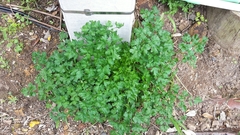 Petroselinum crispum Garden parsley Photo: CC BY, naturewatchwidow
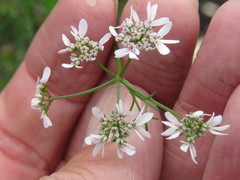 Coriandrum sativum Coriander Photo: CC BY, Juan Carlos Caicedo Hernández
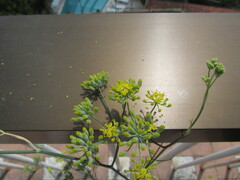 Foeniculum vulgare Fennel Photo: CC BY, zebedeugalinha
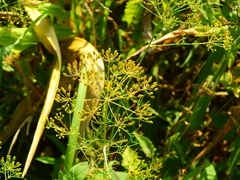 Anethum graveolens Dill Photo: CC0, Yi-fan翊凡
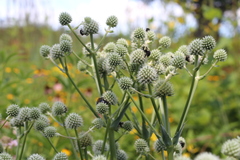 Eryngium yuccifolium Button eryngo Photo: CC BY, Lisa Wiencek Gerbec
 Daucus carota Queen Anne's lace Photo: CC BY, Dominic
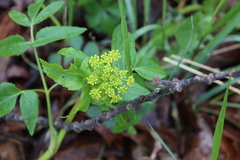 Zizia aurea Golden alexanders Photo: CC0, Craig Martin
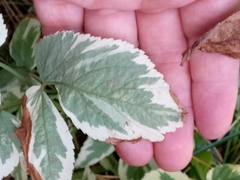 Aegopodium podagraria Goutweed Photo: CC BY, Karim Haddad
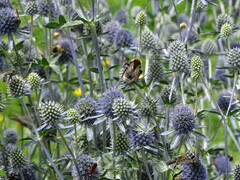 Eryngium planum Blue eryngo Photo: CC BY-SA, Grzegorz Grzejszczak
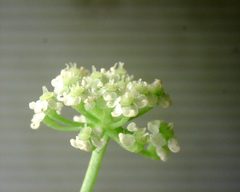 Apium graveolens Wild celery Photo: CC0, 螯蝦
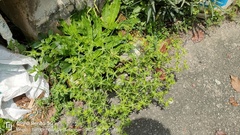 Eryngium foetidum Spiritweed Photo: CC BY-SA, Ong Jyh Seng
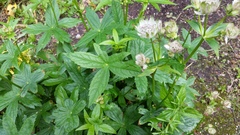 Astrantia major Greater masterwort Photo: CC BY, Susan Marley
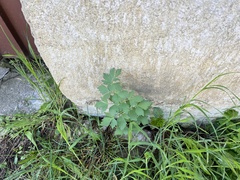 Levisticum officinale Lovage Photo: CC BY, Pavel Kacl
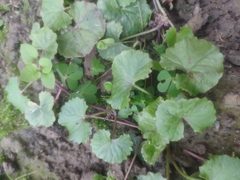 Centella asiatica Spadeleaf Photo: CC BY, 四角銅鑼
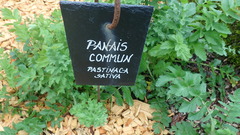 Pastinaca sativa Wild parsnip Photo: CC0, anbalemans
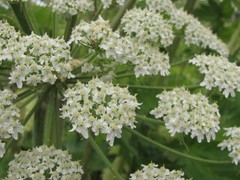 Heracleum maximum Cow parsnip Photo: CC BY, Gail A Baker
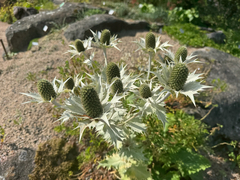 Eryngium giganteum Tall eryngo Photo: CC BY, Ung Rossen
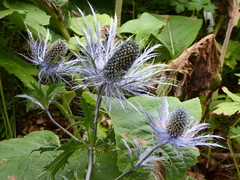 Eryngium alpinum Alpine Sea Holly Photo: CC BY, Manuel R Popp
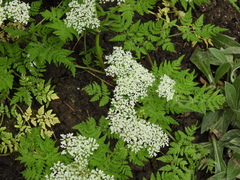 Myrrhis odorata Sweet cicely Photo: CC BY, Susan Marley
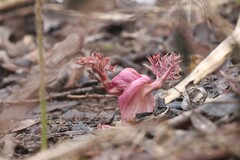 Angelica archangelica Garden angelica Photo: CC BY, Константин Селивёрстов
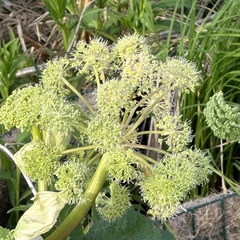 Angelica atropurpurea Great angelica Photo: CC0, wilderbombyx
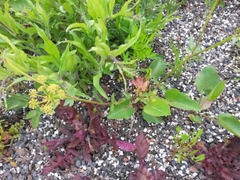 Zizia aptera Heart-leaved alexanders Photo: CC0, Ira Gershenhorn
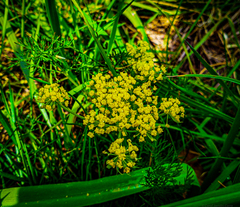 Lomatium utriculatum Fine-leaved desert-parsley Photo: CC BY-SA, Carol Jacobs-Carre
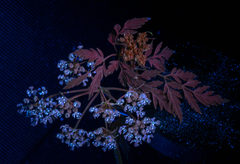 Conium maculatum Hemlock Photo: CC BY, Alan Rockefeller
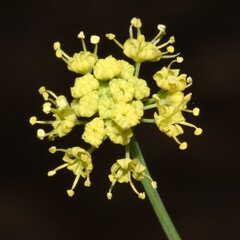 Lomatium nudicaule Pestle lomatium Photo: CC BY, Gabriel Campbell-Martinez
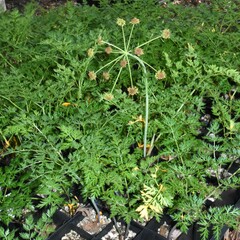 Lomatium dissectum Fern-leaved desert-parsley Photo: CC BY, Gabriel Campbell-Martinez
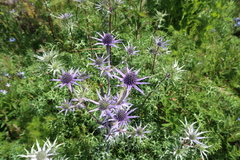 Eryngium bourgatii Amethyst Eryngo Photo: CC BY, Yaron Budowski
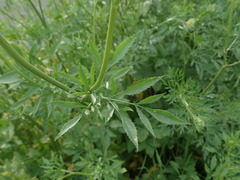 Ammi majus Bullwort Photo: CC BY, Daniel Cahen
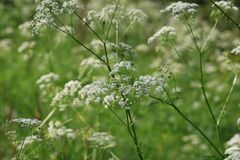 Anthriscus sylvestris Cow parsley Photo: CC BY, Andrejus Gaidamavičius
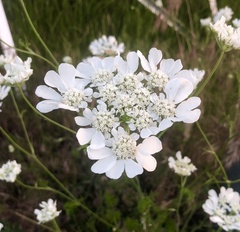 Orlaya grandiflora Large-flowered Orlaya Photo: CC BY, Jochen Essig
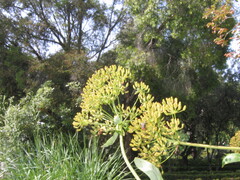 Bupleurum fruticosum Shrubby hare's-ear Photo: CC BY, zebedeugalinha
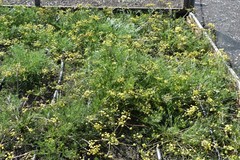 Lomatium bradshawii Bradshaw's desert-parsley Photo: CC BY, Gail A Baker
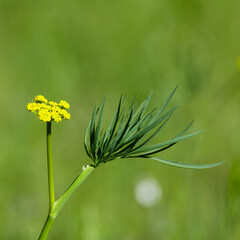 Lomatium triternatum Nine-leaved desert-parsley Photo: CC BY, Daughter Dad
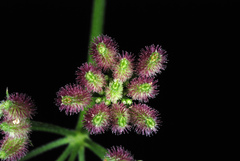 Torilis arvensis Spreading hedge-parsley Photo: CC BY-SA, Douglas Goldman
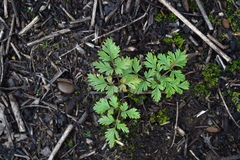 Ligusticum apiifolium Celeryleaf licorice-root Photo: CC BY, Gail A Baker
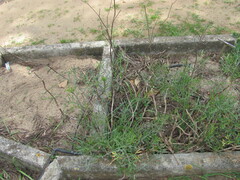 Crithmum maritimum Rock samphire Photo: CC BY, zebedeugalinha
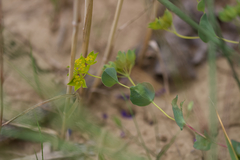 Bupleurum rotundifolium Thorow-wax Photo: CC BY, David Sandler
 Eryngium amethystinum Italian Eryngo Photo: CC BY, Christian Berg
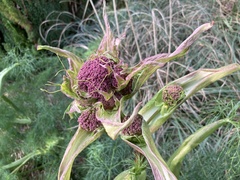 Ferula communis Giant fennel Photo: CC0, Paul Mnich
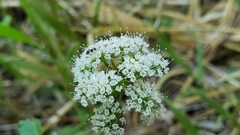 Oenanthe sarmentosa Pacific water-parsley Photo: CC BY, Gavin Slater
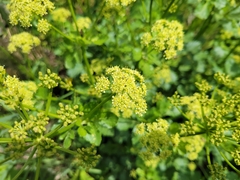 Smyrnium olusatrum Alexanders Photo: CC BY, Matt Pelikan
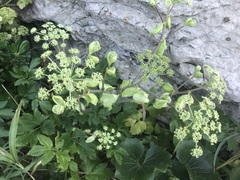 Angelica keiskei Photo: CC BY, Marco Mussita
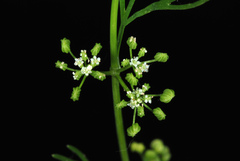 Cyclospermum leptophyllum Photo: CC BY-SA, Douglas Goldman
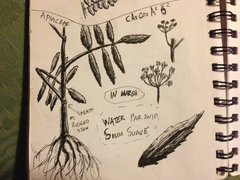 Sium suave Hemlock water-parsnip Photo: CC BY, naturalist charlie
 Eryngium leavenworthii Leavenworth's eryngo Photo: CC BY, Sam Kieschnick
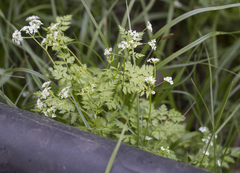 Anthriscus cerefolium Garden chervil Photo: CC BY, Anastasia_Surkova
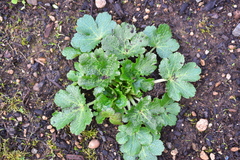 Sanicula crassicaulis Pacific black-snakeroot Photo: CC BY, Gail A Baker
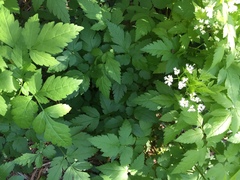 Osmorhiza longistylis Smooth sweet cicely Photo: CC BY, Henry Van T. Cotter
Grown: iNaturalist's observations of the species marked captive or cultivated; "not counted" where the species list does not count it. Native ranges: Kew's World Checklist of Vascular Plants (Govaerts et al., CC BY 4.0), file of 4 June 2026. Grown: iNaturalist's observations marked captive or cultivated, counted 17 October 2026 (the species list's count). Habitat climate known: the species page has a habitat climate, read from CHELSA's monthly climate and NASA POWER's daily extremes at its well-placed wild records inside Kew's native range; each page says its own sources and days. Record low: the lowest night in NASA POWER's daily series at the habitat's typical spot, as the species page gives it, held in °C to a tenth and shown in your units; each page says its own years and day read. Counts as the reference built on 19 November 2026 holds them. The CSV holds every result, not only this page's.