Betulaceae
115 species in 6 genera · 93 with a habitat climate · 102 grown, per iNaturalist, 13 not counted
Most native to: Japan 30China South-Central 26China North-Central 22China Southeast 19Korea 18New York 18Ontario 18Québec 17Inner Mongolia 16Maine 16Vermont 16New Hampshire 15
A species counts in every region it is native to. Native ranges: Kew's World Checklist of Vascular Plants (Govaerts et al., CC BY 4.0), file of 4 June 2026.
115 species
Betulaceae
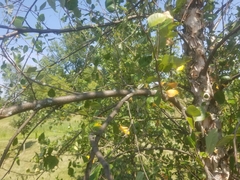 Betula nigra River birch Photo: CC BY, Kaden Slone
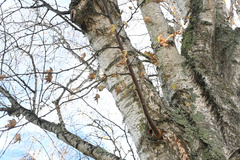 Betula pendula Silver birch Photo: CC BY, Jon Sullivan
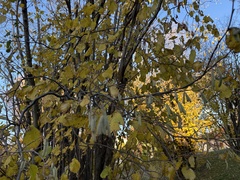 Corylus avellana Hazel Photo: CC0, Charles Joynson
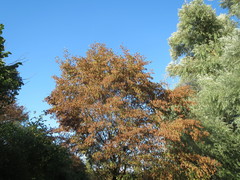 Carpinus betulus Hornbeam Photo: CC BY-SA, Andreas Rockstein
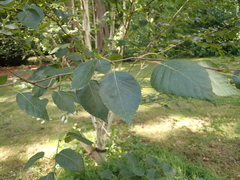 Betula papyrifera Paper birch Photo: CC BY, Alexis Tinker-Tsavalas
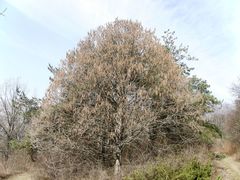 Corylus colurna Turkish hazel Photo: CC BY, Oleksandr Shynder
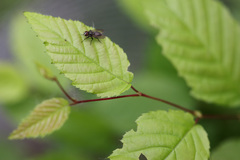 Carpinus caroliniana American hornbeam Photo: CC BY, Randy A Nonenmacher
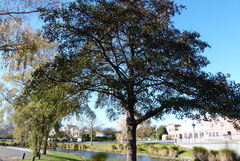 Alnus glutinosa Black alder Photo: CC BY-SA, Colin Meurk
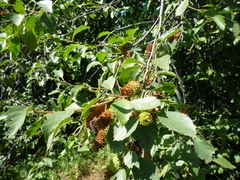 Betula pubescens Downy birch Photo: CC BY, Oleksandr Shynder
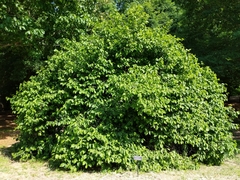 Corylus americana American hazelnut Photo: CC BY, Rob John
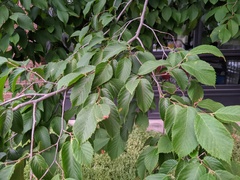 Ostrya virginiana Eastern hop-hornbeam Photo: CC0, Adam Kranz
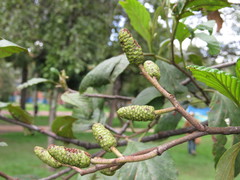 Alnus acuminata Andean Alder Photo: CC BY, Juan Carlos Caicedo Hernández
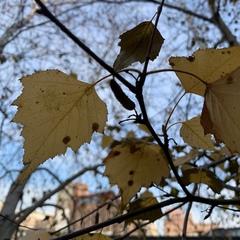 Betula populifolia Gray birch Photo: CC BY, Elix Hernandez
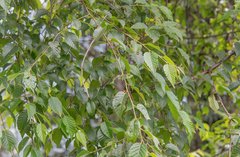 Betula utilis Himalayan birch Photo: CC BY, Morten Ross
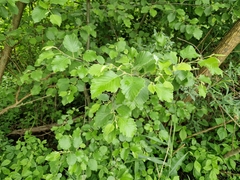 Alnus incana Grey alder Photo: CC BY, Jens-Christian Svenning
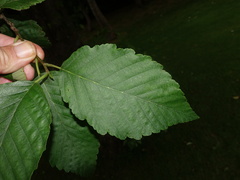 Alnus rubra Red alder Photo: CC BY, Jamie O'Neill
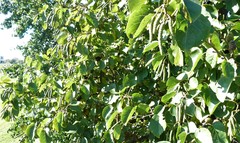 Alnus cordata Italian alder Photo: CC BY-SA, Colin Meurk
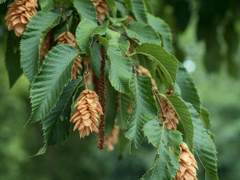 Ostrya carpinifolia Hop hornbeam Photo: CC BY, Daniel Cahen
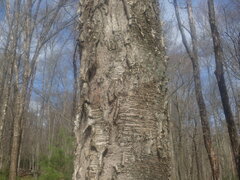 Betula alleghaniensis Yellow birch Photo: CC0, Lynn Harper
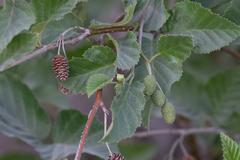 Alnus rhombifolia White alder Photo: CC0, Kyle Nessen
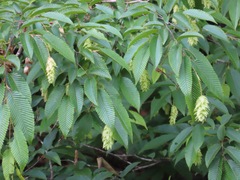 Carpinus japonica Japanese hornbeam Photo: CC BY, Marco Mussita
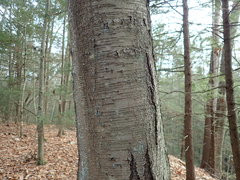 Betula lenta Sweet birch Photo: CC0, Lynn Harper
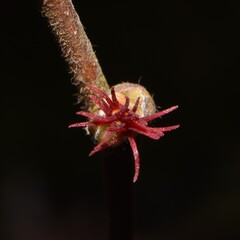 Corylus cornuta Beaked hazel Photo: CC BY, Gabriel Campbell-Martinez
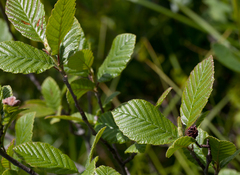 Alnus serrulata Hazel alder Photo: CC BY-SA, bobkennedy
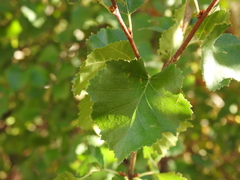 Betula occidentalis Water birch Photo: CC BY, Hydrocycler (Elizabeth Dougherty)
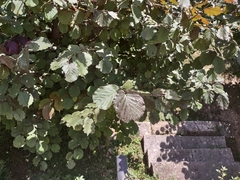 Corylus maxima Filbert Photo: CC0, Kimberley H. Gibson
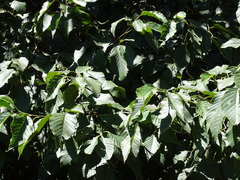 Alnus jorullensis Mexican alder Photo: CC BY, Alexis López Hernández
 Betula ermanii Erman's birch Photo: CC BY-SA, harum.koh
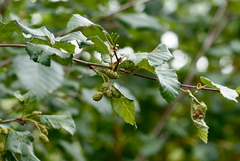 Alnus alnobetula Green alder Photo: CC BY-SA, psweet
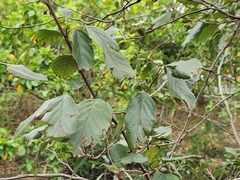 Alnus formosana Formosan Alder Photo: CC BY, 胡正恆(Jackson Hu)
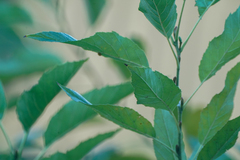 Alnus japonica Japanese alder Photo: CC BY, WATANABE Hitoshi 渡辺仁
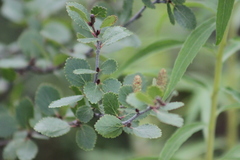 Betula glandulosa Resin birch Photo: CC0, Étienne Lacroix-Carignan
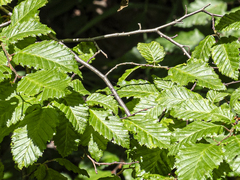 Carpinus orientalis Oriental Hornbeam Photo: CC BY, rainerburkard
 Carpinus turczaninovii Korean hornbeam Photo: CC BY, Jiao Sun (孙娇)
 Betula nana Dwarf birch Photo: CC BY, feralist
 Betula davurica Black birch Photo: CC BY, Oleg Kosterin
 Betula humilis Shrubby Birch Photo: CC BY, Игорь Васильев
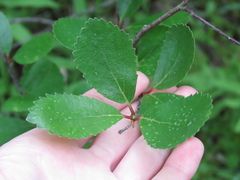 Betula pumila Bog birch Photo: CC BY, Katie Kucera
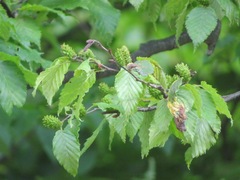 Betula grossa Japanese cherry birch Photo: CC BY, Marco Mussita
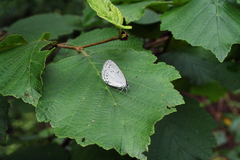 Alnus hirsuta Manchurian alder Photo: CC BY, Oleg Kosterin
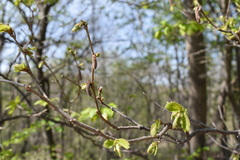 Corylus heterophylla Siberian filbert Photo: CC BY, Repina Tatyana
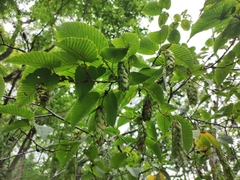 Carpinus cordata Heart-leaf hornbeam Photo: CC BY, Dmitry Ivanov
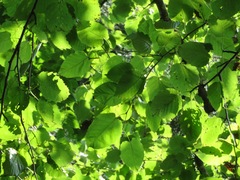 Betula maximowicziana Monarch birch Photo: CC BY, Marco Mussita
 Carpinus putoensis Puto Hornbeam Photo: CC BY-SA, Siyuwj
 Corylus fargesii Photo: CC BY, Tie Guy II on Flickr
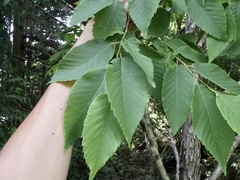 Ostrya japonica East Asian hophornbeam Photo: CC BY, りなべる
 Corylus sieboldiana Japanese hazel Photo: CC BY, Kim, Hyun-tae
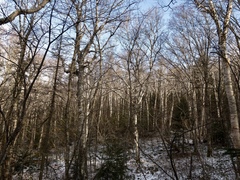 Betula cordifolia Mountain paper birch Photo: CC0, Kent P. McFarland
Grown: iNaturalist's observations of the species marked captive or cultivated; "not counted" where the species list does not count it. Native ranges: Kew's World Checklist of Vascular Plants (Govaerts et al., CC BY 4.0), file of 4 June 2026. Grown: iNaturalist's observations marked captive or cultivated, counted 17 October 2026 (the species list's count). Habitat climate known: the species page has a habitat climate, read from CHELSA's monthly climate and NASA POWER's daily extremes at its well-placed wild records inside Kew's native range; each page says its own sources and days. Record low: the lowest night in NASA POWER's daily series at the habitat's typical spot, as the species page gives it, held in °C to a tenth and shown in your units; each page says its own years and day read. Counts as the reference built on 19 November 2026 holds them. The CSV holds every result, not only this page's.