Boraginaceae
452 species in 85 genera · 427 with a habitat climate · 428 grown, per iNaturalist, 24 not counted
Most native to: California 82Turkey 74Mexico Northwest 66France 62Yugoslavia 61Italy 59Greece 58Bulgaria 54Spain 53Oregon 52Romania 50Transcaucasus 50
A species counts in every region it is native to. Native ranges: Kew's World Checklist of Vascular Plants (Govaerts et al., CC BY 4.0), file of 4 June 2026.
452 species
Boraginaceae
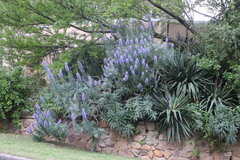 Echium candicans Pride of Madeira Photo: CC BY-SA, Tony Rebelo
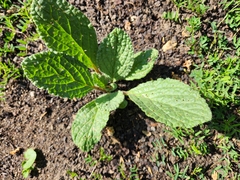 Borago officinalis Borage Photo: CC BY, John Dunlevy
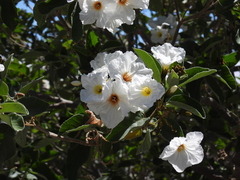 Cordia boissieri Mexican-olive Photo: CC BY, Liren Varghese
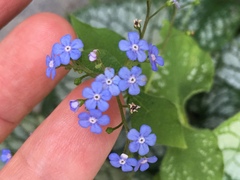 Brunnera macrophylla Great forget-me-not Photo: CC BY, W. Terry Hunefeld
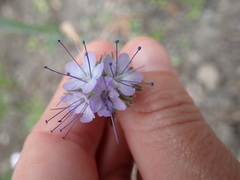 Phacelia tanacetifolia Tansy phacelia Photo: CC BY, Lisa Bennett
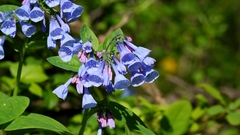 Mertensia virginica Virginia bluebells Photo: CC BY, Steve Rhinehart
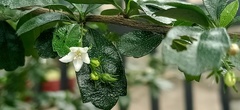 Ehretia microphylla Fukien-tea Photo: CC BY-SA, Ong Jyh Seng
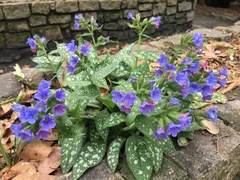 Pulmonaria officinalis Lungwort Photo: CC BY-SA, lejones417
 Cordia sebestena Largeleaf geigertree Photo: CC BY, Zakqary Roy
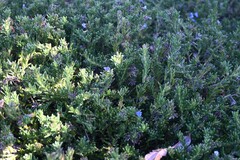 Glandora prostrata Creeping gromwell Photo: CC BY, Jon Sullivan
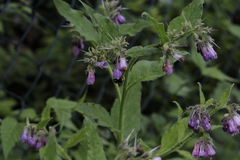 Symphytum officinale Common comfrey Photo: CC BY-SA, Dr. Guido Bohne
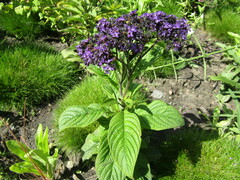 Heliotropium arborescens Cherry-pie Photo: CC BY, Oleksandr Shynder
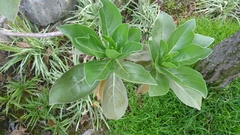 Heliotropium arboreum Photo: CC BY, Jason
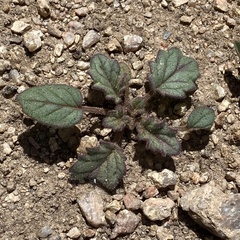 Phacelia campanularia California bluebell Photo: CC BY, Elliott Gordon
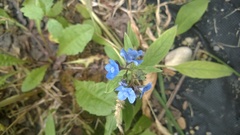 Cynoglossum amabile Chinese hound's tongue Photo: CC BY, earl woolsey
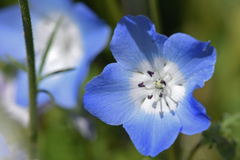 Nemophila menziesii Baby blue eyes Photo: CC BY, Marcel_Pepin
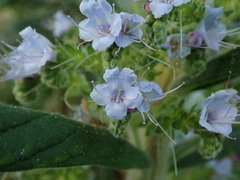 Echium pininana Giant viper's-bugloss Photo: CC BY, Daniel Cahen
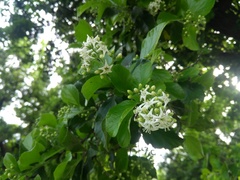 Ehretia anacua Knock-away Photo: CC0, Ricardo Chávez Martínez
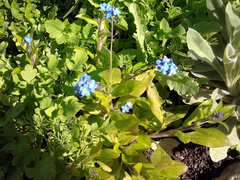 Myosotis sylvatica Wood forget-me-not Photo: CC BY, John Flower
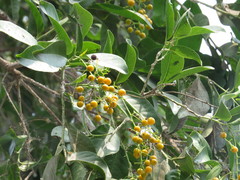 Ehretia tinifolia Photo: CC BY-SA, Gary Abner Garcia-Garcia
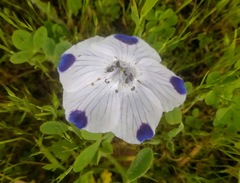 Nemophila maculata Fivespot Photo: CC BY, Jonathan Curley
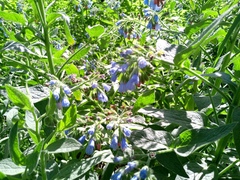 Symphytum caucasicum Caucasian comfrey Photo: CC0, Татьяна Горбушина
 Cerinthe major Greater honeywort Photo: CC BY-SA, Joseph Morlan
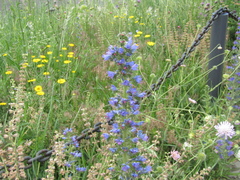 Echium vulgare Viper's-bugloss Photo: CC BY, Oleksandr Shynder
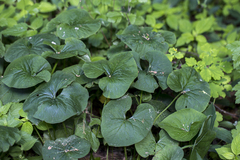 Brunnera sibirica True Siberian Bugloss Photo: CC BY, Anastasia_Surkova
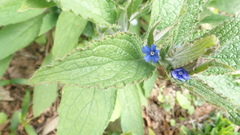 Pentaglottis sempervirens Green alkanet Photo: CC0, anbalemans
 Echium wildpretii Tower-of-jewels Photo: CC BY, Jens-Christian Svenning
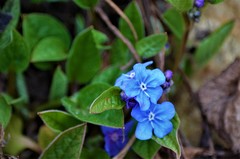 Omphalodes verna Blue-eyed-Mary Photo: CC BY, E. A.
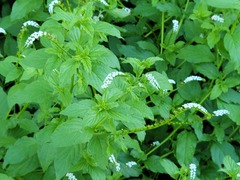 Heliotropium angiospermum Scorpion's-tail Photo: CC BY, johnyochum
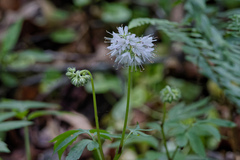 Hydrophyllum virginianum Virginia waterleaf Photo: CC BY, Donald Davesne
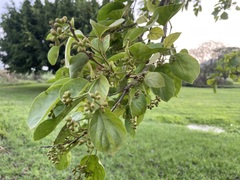 Cordia dichotoma Fragrant manjack Photo: CC BY, 高山田鼠
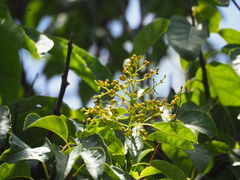 Ehretia acuminata Kodo wood Photo: CC0, 葉子
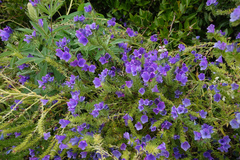 Echium plantagineum Purple viper's-bugloss Photo: CC BY, Jon Sullivan
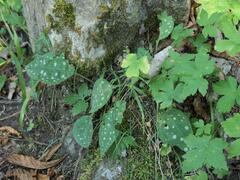 Pulmonaria saccharata Bethlehem lungwort Photo: CC BY, Daniel Cahen
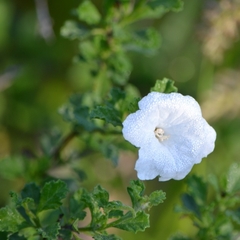 Cordia parvifolia Small-leaf geigertree Photo: CC BY, Mauricio Calderón Cadena
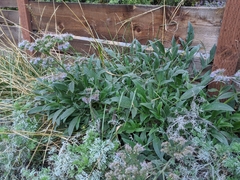 Phacelia californica California phacelia Photo: CC BY, Ken-ichi Ueda
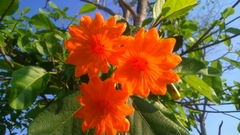 Cordia dodecandra Photo: CC BY-SA, betho
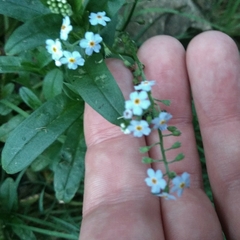 Myosotis scorpioides True forget-me-not Photo: CC BY, Mark Apgar
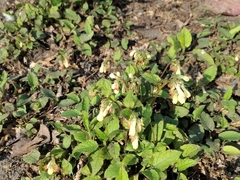 Symphytum grandiflorum Creeping comfrey Photo: CC BY, Rafael Medina
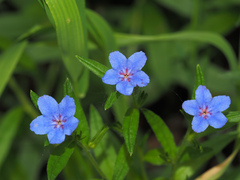 Aegonychon purpurocaeruleum Blue Gromwell Photo: CC BY, Mario Bassini
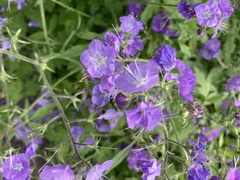 Phacelia bipinnatifida Purple Phacelia Photo: CC0, Carolyn Bahl
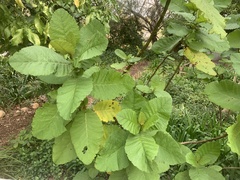 Wigandia urens Caracus wigandia Photo: CC BY, Dave Richardson
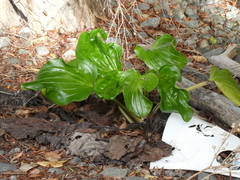 Myosotidium hortensia Giant-forget-me-not Photo: CC BY, Doug Miller
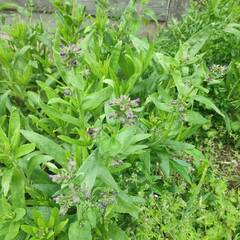 Anchusa officinalis Alkanet Photo: CC0, Sofie Meeus
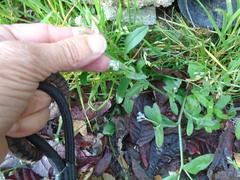 Myosotis arvensis Field forget-me-not Photo: CC BY, Lesley Marrion-Cole
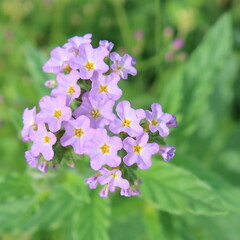 Heliotropium amplexicaule Summer heliotrope Photo: CC BY, Diana Studer
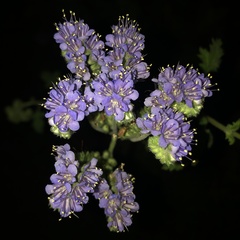 Phacelia congesta Blue-curls Photo: CC BY, Clifton Ladd, C.W.B.
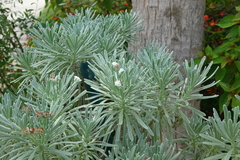 Tournefortia gnaphalodes Photo: CC BY, Claire Herzog
Grown: iNaturalist's observations of the species marked captive or cultivated; "not counted" where the species list does not count it. Native ranges: Kew's World Checklist of Vascular Plants (Govaerts et al., CC BY 4.0), file of 4 June 2026. Grown: iNaturalist's observations marked captive or cultivated, counted 17 October 2026 (the species list's count). Habitat climate known: the species page has a habitat climate, read from CHELSA's monthly climate and NASA POWER's daily extremes at its well-placed wild records inside Kew's native range; each page says its own sources and days. Record low: the lowest night in NASA POWER's daily series at the habitat's typical spot, as the species page gives it, held in °C to a tenth and shown in your units; each page says its own years and day read. Counts as the reference built on 19 November 2026 holds them. The CSV holds every result, not only this page's.