Bromeliaceae
685 species in 55 genera · 477 with a habitat climate · 563 grown, per iNaturalist, 122 not counted
Most native to: Brazil Southeast 211Colombia 145Ecuador 144Bolivia 114Brazil Northeast 110Peru 110Venezuela 108Mexico Southwest 105Brazil South 100Costa Rica 88Mexico Southeast 85Guatemala 81
A species counts in every region it is native to. Native ranges: Kew's World Checklist of Vascular Plants (Govaerts et al., CC BY 4.0), file of 4 June 2026.
685 species
Bromeliaceae
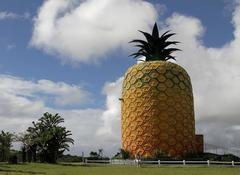 Ananas comosus Pineapple Photo: CC BY, Wynand Uys
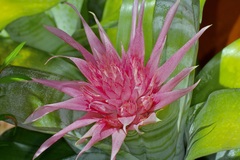 Aechmea fasciata Urnplant Photo: CC BY, Michelle W. (鍾偉瑋)
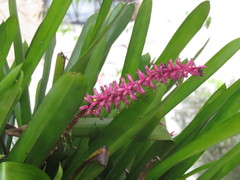 Aechmea gamosepala Photo: CC BY, Juan Carlos Caicedo Hernández
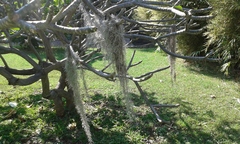 Tillandsia usneoides Spanish moss Photo: CC BY, Floyd A. Reed
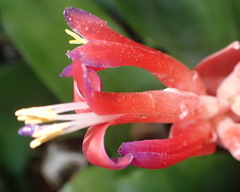 Billbergia pyramidalis Foolproofplant Photo: CC BY-SA, Nicola van Berkel
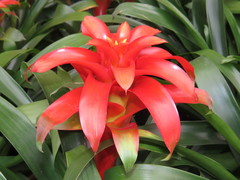 Guzmania lingulata Droophead tufted airplant Photo: CC BY, Diogo Luiz
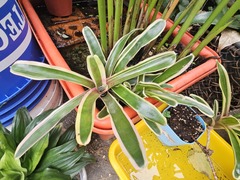 Neoregelia carolinae Blushing bromeliad Photo: CC BY, 胡正恆(Jackson Hu)
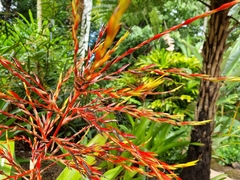 Aechmea blanchetiana Orangeade Bromeliad Photo: CC BY, Elaine Fieth
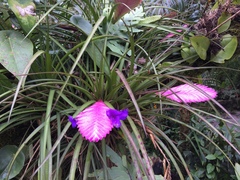 Wallisia cyanea Blue Torch Photo: CC BY-SA, Diego F. Cisneros-Heredia
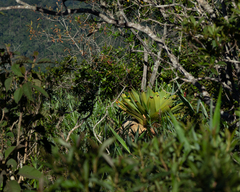 Alcantarea imperialis Photo: CC0, filipeprates
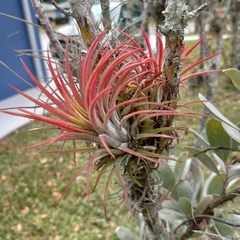 Tillandsia ionantha Blushing Bride Photo: CC BY-SA, Ramon and Suzanne Vargas
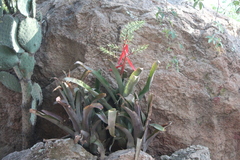 Aechmea bracteata Vase bromeliad Photo: CC BY, José Belem Hernández Díaz
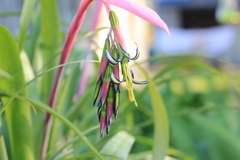 Billbergia nutans Queen's-tears Photo: CC BY, Romi Galeota Lencina
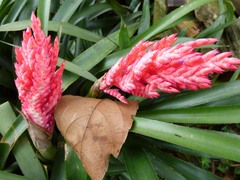 Aechmea distichantha Brazilian vaseplant Photo: CC BY, Luis G Restrepo
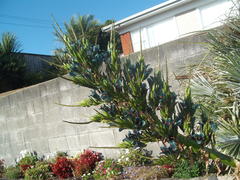 Puya alpestris Sapphire tower Photo: CC BY, Stephen Thorpe
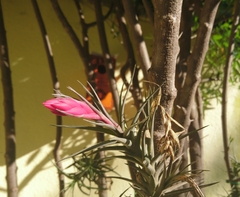 Tillandsia aeranthos Photo: CC BY, Romi Galeota Lencina
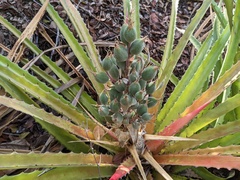 Bromelia pinguin Pinguin Photo: CC BY, Zac Peterson
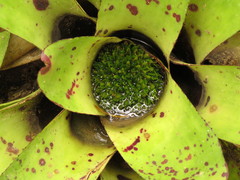 Neoregelia cruenta Photo: CC BY, Diogo Luiz
 Tillandsia recurvata Ballmoss Photo: CC BY, Victor Engel
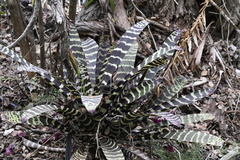 Lutheria splendens Flaming sword Photo: CC BY, Robin White
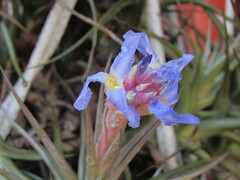 Tillandsia bergeri Photo: CC BY, Bruno Avilez
 Tillandsia utriculata Spreading air plant Photo: CC0, Zoltán Stekkelpak
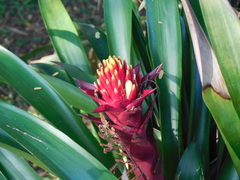 Guzmania conifera Photo: CC BY-SA, Ana Cristina Almeida
 Fascicularia bicolor Rhodostachys Photo: CC BY, Tim Park
 Neoregelia compacta Photo: CC BY, Carlos Otávio Gussoni
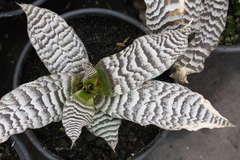 Cryptanthus zonatus Photo: CC0, Frank Thomas Sautter
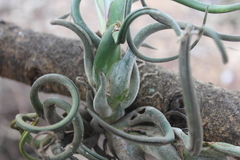 Tillandsia caput-medusae Octopus plant Photo: CC BY, Ricard Busquets Reverte
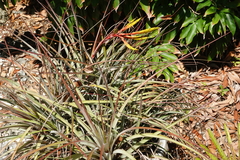 Tillandsia fasciculata Giant Air Plant Photo: CC BY, Claire Herzog
 Aechmea fulgens Coralberry bromeliad Photo: CC0, Arne Holgersson
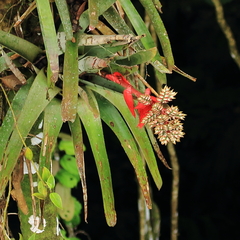 Aechmea chantinii Amazonian Zebra-plant Photo: CC0, David Bird
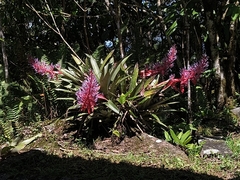 Portea petropolitana Photo: CC BY, Carlos Otávio Gussoni
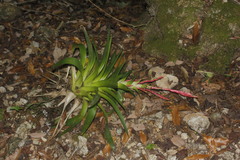 Tillandsia deppeana Photo: CC BY-SA, Juan Cruzado Cortés
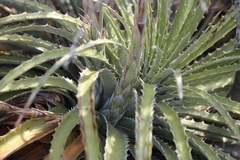 Hechtia glomerata Photo: CC BY, Reid Hardin
 Puya raimondii Queen of the Andes Photo: CC BY, Roland Godon
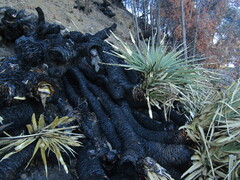 Puya chilensis Sheep-eating Plant Photo: CC BY, Bruno Avilez
 Aechmea bromeliifolia Photo: CC BY, Carlos Otávio Gussoni
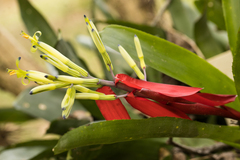 Billbergia amoena Photo: CC0, Frank Thomas Sautter
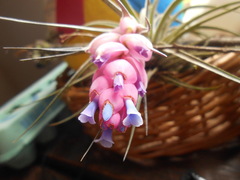 Tillandsia stricta Upright airplant Photo: CC BY-SA, Giovanni Marques de Castro
 Aechmea nudicaulis Nakedstem livingvase Photo: CC BY, Igor Kuhnen Cabral e Silva
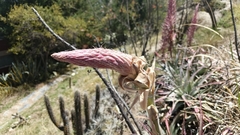 Puya meziana Photo: CC0, Alfredo F. Fuentes Claros
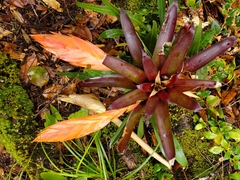 Tillandsia multicaulis Swamp fire Photo: CC BY, Jonathan Curley
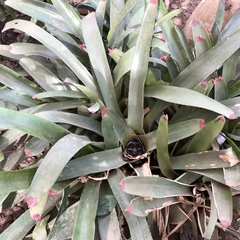 Neoregelia spectabilis Fingernail-plant Photo: CC0, Giselle Blythe
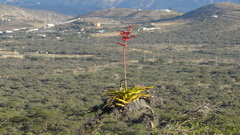 Racinaea fraseri Photo: CC BY-SA, Ignacio Moreira-Corral
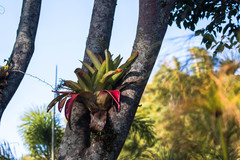 Aechmea mexicana Photo: CC BY, Melissa McMasters
 Cryptanthus bivittatus Photo: CC BY-SA, Ong Jyh Seng
 Aechmea miniata Photo: CC BY-SA, Bernard Loison
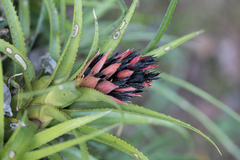 Aechmea recurvata Photo: CC0, Frank Thomas Sautter
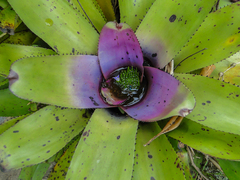 Neoregelia concentrica Photo: CC BY, Diogo Luiz
Grown: iNaturalist's observations of the species marked captive or cultivated; "not counted" where the species list does not count it. Native ranges: Kew's World Checklist of Vascular Plants (Govaerts et al., CC BY 4.0), file of 4 June 2026. Grown: iNaturalist's observations marked captive or cultivated, counted 17 October 2026 (the species list's count). Habitat climate known: the species page has a habitat climate, read from CHELSA's monthly climate and NASA POWER's daily extremes at its well-placed wild records inside Kew's native range; each page says its own sources and days. Record low: the lowest night in NASA POWER's daily series at the habitat's typical spot, as the species page gives it, held in °C to a tenth and shown in your units; each page says its own years and day read. Counts as the reference built on 19 November 2026 holds them. The CSV holds every result, not only this page's.