Cannabaceae
42 species in 7 genera · 42 with a habitat climate · 42 grown, per iNaturalist
Most native to: China Southeast 14China South-Central 13Mexico Northeast 9Vietnam 9China North-Central 8Japan 8East Himalaya 7Hainan 7Kansas 7Korea 7Lesser Sunda Is. 7Mexico Northwest 7
A species counts in every region it is native to. Native ranges: Kew's World Checklist of Vascular Plants (Govaerts et al., CC BY 4.0), file of 4 June 2026.
42 species
Cannabaceae
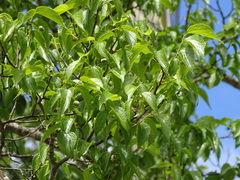 Celtis australis European hackberry Photo: CC BY, Shaun Swanepoel
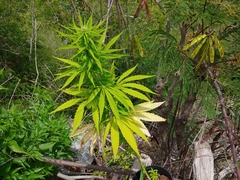 Cannabis sativa Hemp Photo: CC BY-SA, Kurt Miller
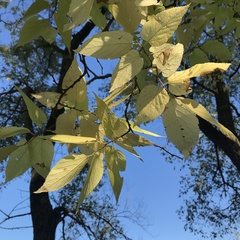 Celtis occidentalis Hackberry Photo: CC BY, Mical
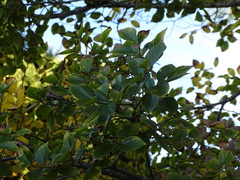 Celtis sinensis Chinese hackberry Photo: CC BY, Shaun Swanepoel
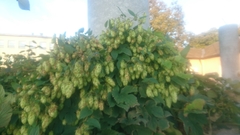 Humulus lupulus Hop Photo: CC BY, Peeter Talvistu
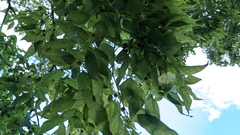 Celtis laevigata Southern hackberry Photo: CC BY, Joseph Aubert
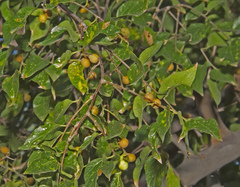 Celtis reticulata Netleaf hackberry Photo: CC BY, Seig
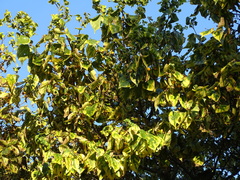 Celtis africana White-Stinkwood Photo: CC BY, Shaun Swanepoel
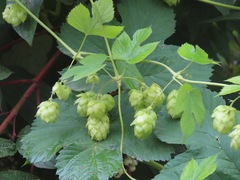 Humulus neomexicanus Neomexicanus Hops Photo: CC0, Erin Springinotic
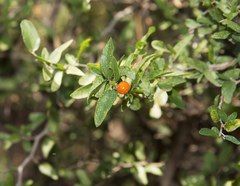 Celtis pallida Desert hackberry Photo: CC BY, Seig
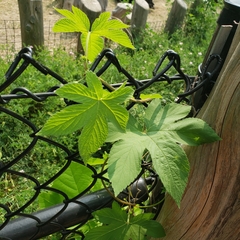 Humulus scandens Japanese hop Photo: CC0, Robert Hoard
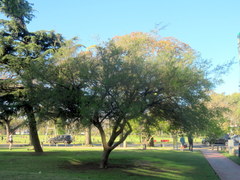 Celtis tala Desert Hackberry Photo: CC0, Diego Carús
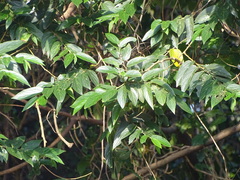 Trema orientale Indian Charcoal Tree Photo: CC BY, Shaun Swanepoel
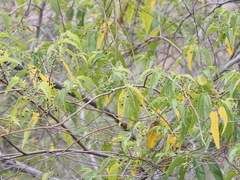 Trema tomentosum Peach-leaf-poisonbush Photo: CC BY, Lucas Christofides
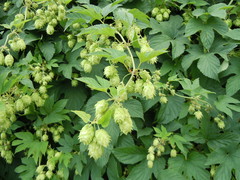 Humulus americanus American hops Photo: CC BY, Matt Lavin
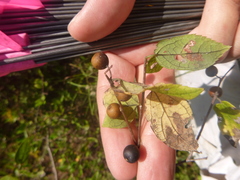 Celtis tenuifolia Dwarf hackberry Photo: CC0, cwarneke
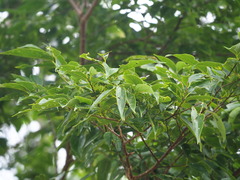 Celtis tetrandra Nilgiri elm Photo: CC0, 葉子
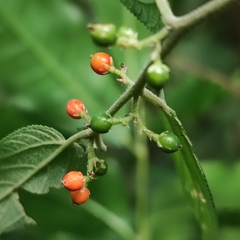 Trema micranthum Jamaican nettletree Photo: CC BY, Thomaz Ricardo Favreto Sinani
- no open photograph on file Humulus pubescens Midwestern Hops
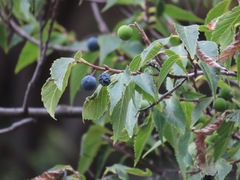 Aphananthe aspera Mukutree Photo: CC BY, Marco Mussita
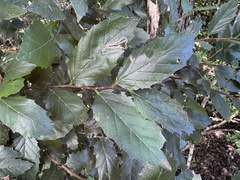 Aphananthe philippinensis Axe-handle-Wood Photo: CC BY, Caleb Catto
 Celtis caucasica Caucasian hackberry Photo: CC BY, Oleksandr Shynder
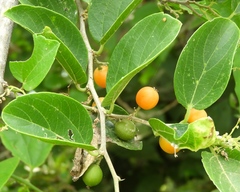 Celtis iguanaea Iguana hackberry Photo: CC BY, Francisco Farriols Sarabia
 Pteroceltis tatarinowii Blue sandalwood Photo: CC BY, Jens-Christian Svenning
 Aphananthe monoica Photo: CC BY, Neptalí Ramírez Marcial
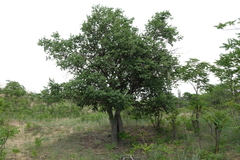 Celtis glabrata Photo: CC BY, Oleg Kosterin
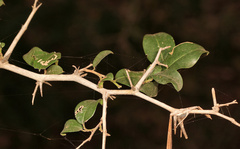 Chaetachme aristata Thorny-Elm Photo: CC BY, Wynand Uys
 Celtis julianae Julian hackberry Photo: CC BY-SA, Krzysztof Ziarnek, Kenraiz
 Celtis philippensis Wight's hackberry Photo: CC BY, 曾昱承 Yu-Cheng Zeng
 Celtis bungeana Bunge's hackberry Photo: CC BY, Jens-Christian Svenning
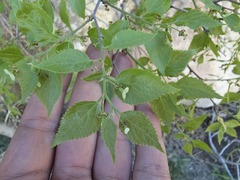 Celtis tournefortii Oriental hackberry Photo: CC BY-SA, Serdar Ölez
 Celtis biondii Biond’s hackberry Photo: CC BY, Cheng-Tao Lin
 Celtis paniculata Investigator-tree Photo: CC BY-SA, Greg Tasney
 Celtis jessoensis Caudate-leaf hackberry Photo: CC BY-SA, Misolonax
 Celtis koraiensis Korean hackberry Photo: CC BY-SA, Grzegorz Grzejszczak
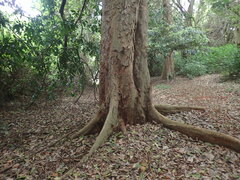 Celtis mildbraedii Red-fruited Stinkwood Photo: CC BY, Mahomed Desai
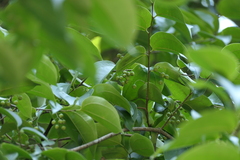 Celtis timorensis Stinking Wood Photo: CC BY-SA, Dinesh Valke
 Celtis caudata Photo: CC BY-SA, Juan Carlos Pérez Magaña
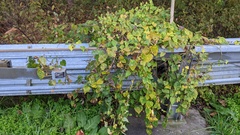 Humulus cordifolius Photo: CC BY, Timur Kalininsky
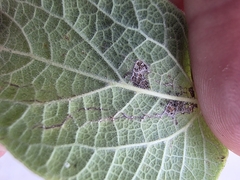 Celtis lindheimeri Lindheimer Hackberry Photo: CC BY, Cleveland Powell
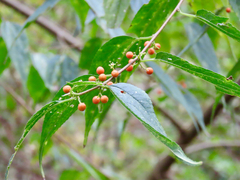 Trema cannabina Lesser trema Photo: CC BY, Toby Y
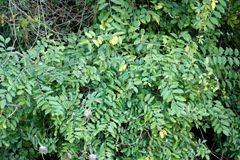 Celtis spinosa Photo: CC BY-SA, J. Simón Tagtachian
Grown: iNaturalist's observations of the species marked captive or cultivated; "not counted" where the species list does not count it. Native ranges: Kew's World Checklist of Vascular Plants (Govaerts et al., CC BY 4.0), file of 4 June 2026. Grown: iNaturalist's observations marked captive or cultivated, counted 17 October 2026 (the species list's count). Habitat climate known: the species page has a habitat climate, read from CHELSA's monthly climate and NASA POWER's daily extremes at its well-placed wild records inside Kew's native range; each page says its own sources and days. Record low: the lowest night in NASA POWER's daily series at the habitat's typical spot, as the species page gives it, held in °C to a tenth and shown in your units; each page says its own years and day read. Counts as the reference built on 19 November 2026 holds them. The CSV holds every result, not only this page's.