Clethraceae
13 species in 1 genus · 11 with a habitat climate · 12 grown, per iNaturalist, 1 not counted
Most native to: China South-Central 4Alabama 3China Southeast 3Georgia 3Mexico Central 3Mexico Northeast 3Mexico Southwest 3North Carolina 3South Carolina 3Colombia 2Ecuador 2Florida 2
A species counts in every region it is native to. Native ranges: Kew's World Checklist of Vascular Plants (Govaerts et al., CC BY 4.0), file of 4 June 2026.
13 species
Clethraceae
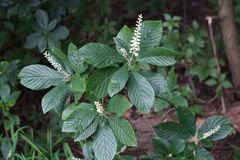 Clethra alnifolia Coastal sweet pepperbush Photo: CC BY, stephen
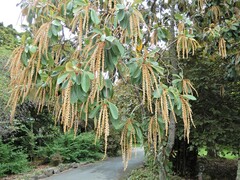 Clethra mexicana Jicarillo Photo: CC BY, Grey Smith
 Clethra barbinervis Japanese Clethra Photo: CC BY, Marco Mussita
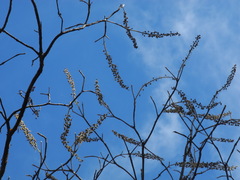 Clethra acuminata Mountain sweet pepperbush Photo: CC BY, Michael J. Papay
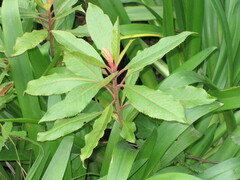 Clethra arborea Lily-of-the-valley-tree Photo: CC BY, zebedeugalinha
 Clethra fimbriata Photo: CC BY, Andrés Ramírez-Barrera
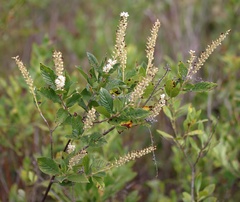 Clethra tomentosa Downy sweet pepperbush Photo: CC BY, Lauren McLaurin
 Clethra fagifolia Photo: CC BY, Nicolás Baresch Uribe
- no open photograph on file Clethra pringlei
 Clethra fargesii Farges Clethra Photo: CC BY-SA, Agnieszka Kwiecień, Nova
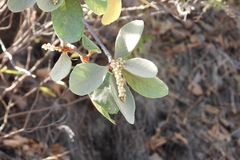 Clethra rosei Photo: CC BY, Ricardo Betancourt Sánchez
 Clethra delavayi Photo: CC BY-SA, peganum from Henfield, England
- no open photograph on file Clethra petelotii
Grown: iNaturalist's observations of the species marked captive or cultivated; "not counted" where the species list does not count it. Native ranges: Kew's World Checklist of Vascular Plants (Govaerts et al., CC BY 4.0), file of 4 June 2026. Grown: iNaturalist's observations marked captive or cultivated, counted 17 October 2026 (the species list's count). Habitat climate known: the species page has a habitat climate, read from CHELSA's monthly climate and NASA POWER's daily extremes at its well-placed wild records inside Kew's native range; each page says its own sources and days. Record low: the lowest night in NASA POWER's daily series at the habitat's typical spot, as the species page gives it, held in °C to a tenth and shown in your units; each page says its own years and day read. Counts as the reference built on 19 November 2026 holds them. The CSV holds every result, not only this page's.