Combretaceae
71 species in 7 genera · 63 with a habitat climate · 71 grown, per iNaturalist
Most native to: Mozambique 18Tanzania 17Angola 16Myanmar 15Zaïre 15Northern Provinces 14India 13KwaZulu-Natal 13Thailand 13Vietnam 13Zimbabwe 13Bangladesh 12
A species counts in every region it is native to. Native ranges: Kew's World Checklist of Vascular Plants (Govaerts et al., CC BY 4.0), file of 4 June 2026.
71 species
Combretaceae
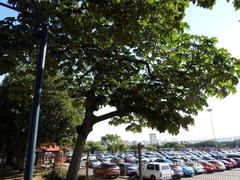 Terminalia catappa Tropical almond Photo: CC BY-SA, Margaret Burger
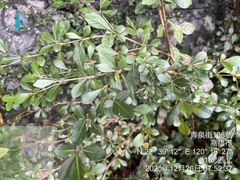 Terminalia mantaly Photo: CC BY, 謝麗霦
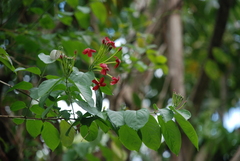 Combretum indicum Rangoon creeper Photo: CC BY, Татьяна Максимова
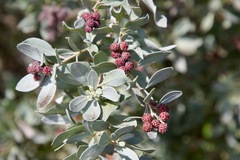 Conocarpus erectus Button mangrove Photo: CC BY, jimsox
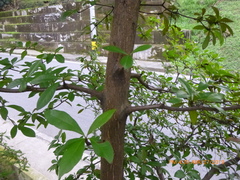 Terminalia buceras Black olive Photo: CC BY, Daniel A. Monsalve Ortiz
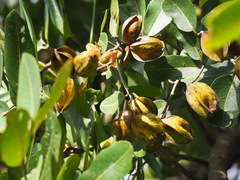 Terminalia arjuna Arjun Photo: CC0, 葉子
 Terminalia molinetii Photo: CC BY-SA, Ong Jyh Seng
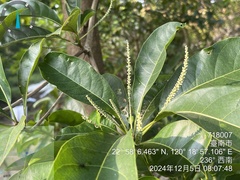 Terminalia calamansanai Photo: CC BY, 謝麗霦
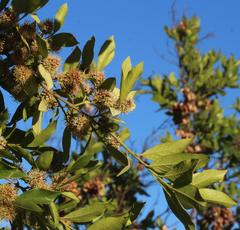 Combretum erythrophyllum Bush-willow Photo: CC BY-SA, Tony Rebelo
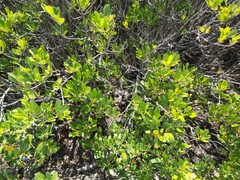 Lumnitzera racemosa White-flowered black mangrove Photo: CC BY, 胡正恆(Jackson Hu)
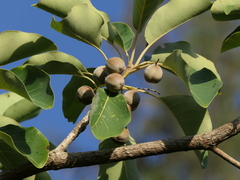 Terminalia bellirica Beleric myrobalan Photo: CC BY-SA, Dinesh Valke
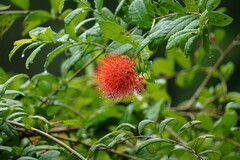 Combretum constrictum Powderpuff Combretum Photo: CC BY, Jiao Sun (孙娇)
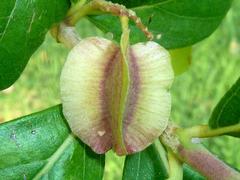 Combretum kraussii Forest Bushwillow Photo: CC BY-SA, M Kriek
 Conocarpus lancifolius Lanceleaf Buttonwood Photo: CC BY-SA, Abu Hamas
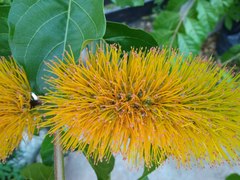 Combretum fruticosum Photo: CC BY, Cecilia Pombo Posente
 Laguncularia racemosa White mangrove Photo: CC BY-SA, Douglas Goldman
 Terminalia elliptica Indian-laurel Photo: CC BY-SA, Dinesh Valke
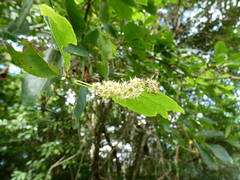 Terminalia muelleri Australian almond Photo: CC BY-SA, Steve Fitzgerald
 Terminalia chebula Myrobalan Photo: CC BY-SA, Dinesh Valke
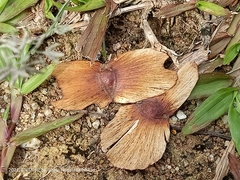 Terminalia ivorensis Black afara Photo: CC BY-SA, Ong Jyh Seng
 Terminalia kaernbachii Okari-nut Photo: CC BY, coenobita
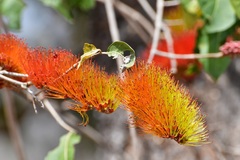 Combretum farinosum Photo: CC BY, Neptalí Ramírez Marcial
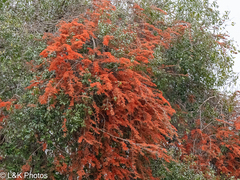 Combretum microphyllum Flamecreeper Photo: CC0, lallen
 Combretum rotundifolium Photo: CC BY-SA, Dinesh Valke from Thane, India
 Terminalia australis Photo: CC0, Gustavo Puente
 Terminalia neotaliala Photo: CC BY-SA, Sudhertzen
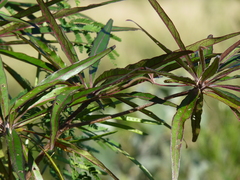 Terminalia bentzoe Photo: CC BY, Adrien Jailloux
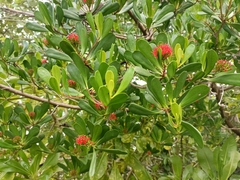 Lumnitzera littorea Red-Flowered Black Mangrove Photo: CC BY, grass_0
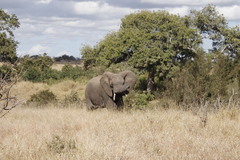 Combretum imberbe Bastard Yellow Wood Photo: CC BY-SA, Tony Rebelo
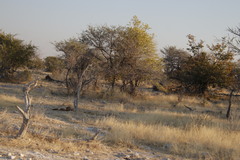 Combretum apiculatum Red bushwillow Photo: CC BY-SA, Tony Rebelo
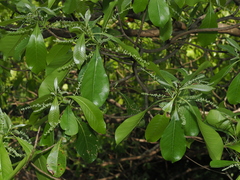 Terminalia microcarpa Photo: CC BY, Thomas Mesaglio
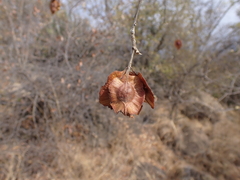 Terminalia phanerophlebia Lebombo Cluster-leaf Photo: CC BY-SA, Andrew Hankey
 Combretum bracteosum Hiccup-nut Photo: CC BY-SA, M Kriek
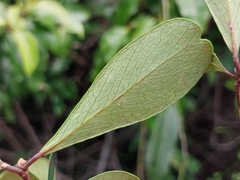 Terminalia boivinii Photo: CC BY, Stuart Cable
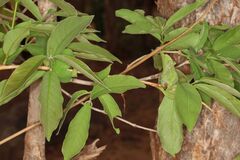 Combretum collinum Photo: CC BY, Alan Manson
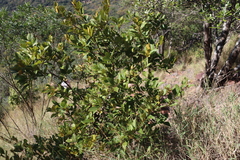 Combretum molle Photo: CC BY-SA, Tony Rebelo
 Combretum mussaendiflorum Photo: CC BY, Nina R from Africa
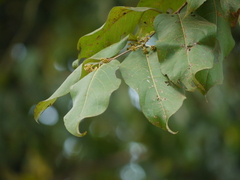 Terminalia anogeissiana Indian Sumac Photo: CC BY-SA, Dinesh Valke
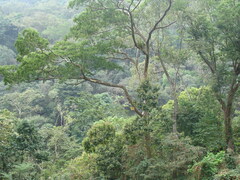 Terminalia oblonga Peruvian almond Photo: CC BY, Alexis López Hernández
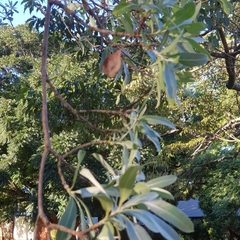 Terminalia sericea Clusterleaf Photo: CC BY-SA, Margaret Burger
 Terminalia superba Superb terminalia Photo: CC BY-SA, Orbicule
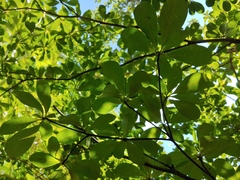 Terminalia tetraphylla Yellow oliver Photo: CC BY-SA, Kurt Miller
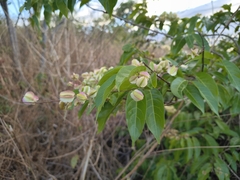 Combretum coccineum Photo: CC BY, Jean Jacques Godon
 Combretum hereroense Russet bushwillow Photo: CC BY-SA, Noeleen du Toit
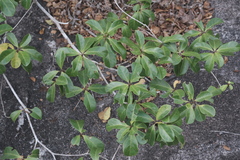 Terminalia amazonia Photo: CC BY, fmunoz
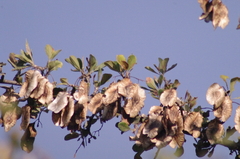 Terminalia prunioides Lowveld Clusterleaf Photo: CC BY, Eric Knight
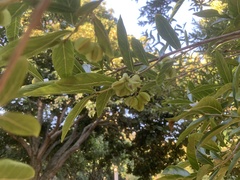 Combretum afrum Photo: CC BY, Dave Richardson
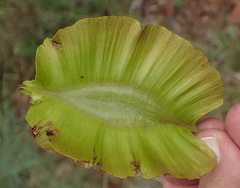 Combretum zeyheri Large-Fruited Combretum Photo: CC BY-SA, Nicola van Berkel
Grown: iNaturalist's observations of the species marked captive or cultivated; "not counted" where the species list does not count it. Native ranges: Kew's World Checklist of Vascular Plants (Govaerts et al., CC BY 4.0), file of 4 June 2026. Grown: iNaturalist's observations marked captive or cultivated, counted 17 October 2026 (the species list's count). Habitat climate known: the species page has a habitat climate, read from CHELSA's monthly climate and NASA POWER's daily extremes at its well-placed wild records inside Kew's native range; each page says its own sources and days. Record low: the lowest night in NASA POWER's daily series at the habitat's typical spot, as the species page gives it, held in °C to a tenth and shown in your units; each page says its own years and day read. Counts as the reference built on 19 November 2026 holds them. The CSV holds every result, not only this page's.