Commelinaceae
122 species in 22 genera · 112 with a habitat climate · 114 grown, per iNaturalist, 8 not counted
Most native to: Mexico Northeast 29Mexico Southwest 25Vietnam 24Mexico Central 23China Southeast 22Mexico Southeast 22Guatemala 21Mexico Gulf 21Zaïre 21Cameroon 20China South-Central 20India 20
A species counts in every region it is native to. Native ranges: Kew's World Checklist of Vascular Plants (Govaerts et al., CC BY 4.0), file of 4 June 2026.
122 species
Commelinaceae
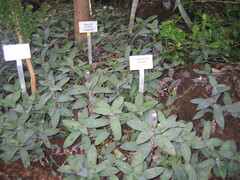 Tradescantia pallida Purple Heart Photo: CC BY, zebedeugalinha
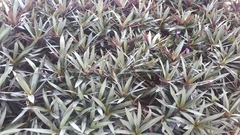 Tradescantia spathacea Boat-lily Photo: CC BY-SA, Ong Jyh Seng
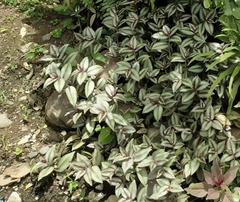 Tradescantia zebrina Inch-plant Photo: CC BY, Greg III Espera
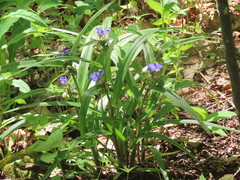 Tradescantia virginiana Spiderwort Photo: CC BY, Bruce Slater
 Callisia fragrans Basketplant Photo: CC BY-SA, Ong Jyh Seng
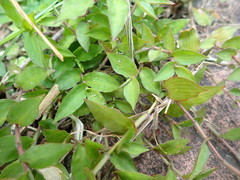 Callisia repens Creeping Inch Plant Photo: CC BY, 高山田鼠
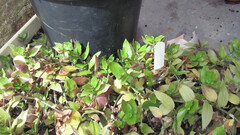 Tradescantia fluminensis Wandering-Jew Photo: CC BY, zebedeugalinha
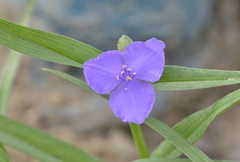 Tradescantia ohiensis Ohio spiderwort Photo: CC BY-SA, Zinogre
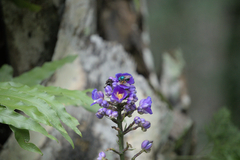 Dichorisandra thyrsiflora Blue-ginger Photo: CC0, filipeprates
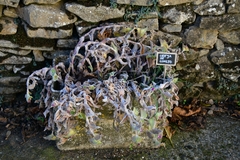 Tradescantia sillamontana Wooly Spiderwort Photo: CC BY, ANGEL MARCOS LUENGO BELLO
 Tradescantia cerinthoides Waxy Spiderwort Photo: CC0, Peter de Lange
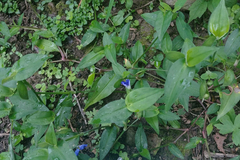 Commelina communis Asiatic dayflower Photo: CC BY, Randy A Nonenmacher
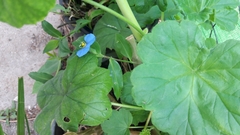 Commelina erecta Erect dayflower Photo: CC BY, Astra
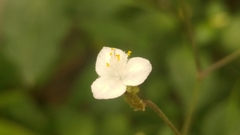 Gibasis pellucida Dotted bridalveil Photo: CC BY, Liliana Ramírez-Freire
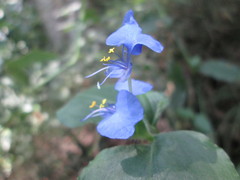 Commelina benghalensis Day flower Photo: CC BY, Nolan Exe
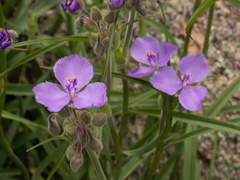 Tradescantia gigantea Giant spiderwort Photo: CC BY-SA, Turner Brockman
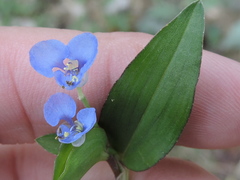 Commelina diffusa Climbing dayflower Photo: CC BY, Sam Kieschnick
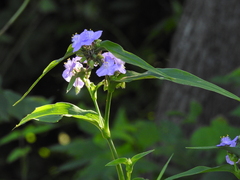 Tradescantia subaspera Zigzag spiderwort Photo: CC0, Yann Kemper
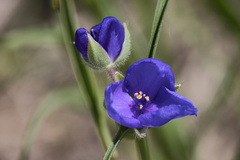 Tradescantia bracteata Bracted Spiderwort Photo: CC BY, Lauren McLaurin
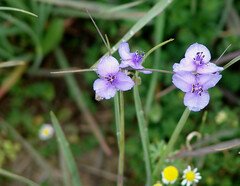 Tradescantia occidentalis Prairie spiderwort Photo: CC BY, Gordon C. Snelling
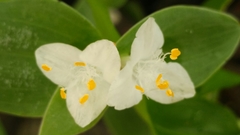 Tradescantia brevifolia Trans-Pecos spiderwort Photo: CC BY, Liliana Ramírez-Freire
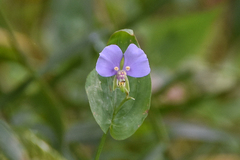 Tinantia anomala False dayflower Photo: CC BY, Jay Pruett
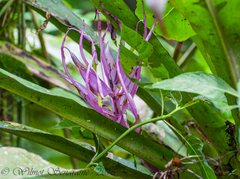 Cochliostema odoratissimum Fragrant snailthread Photo: CC0, wilmotsenaratne
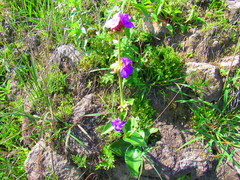 Tradescantia crassifolia Leatherleaf spiderwort Photo: CC BY-SA, Oscar Alejandro Morales Juárez
 Pollia japonica East Asian pollia Photo: CC BY, Marco Mussita
 Tinantia pringlei Spotted Widow's Tears Photo: CC BY-SA, Francisco Martínez González
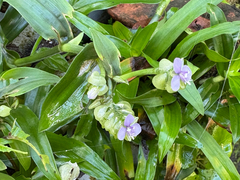 Murdannia bracteata Large Bract Murdannia Photo: CC BY, 黃美滿
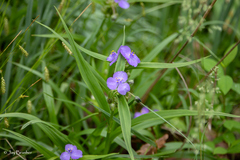 Tradescantia ernestiana Ernest's spiderwort Photo: CC BY, Jay Brasher
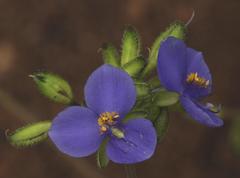 Tinantia erecta Photo: CC BY-SA, Tony Rebelo
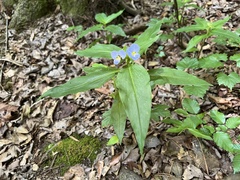 Commelina virginica Virginia dayflower Photo: CC BY, Anne Parker
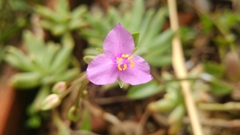 Callisia navicularis Chain-plant Photo: CC BY, Liliana Ramírez-Freire
 Cyanotis somaliensis Pussy-ears Photo: CC BY-SA, LucaLuca
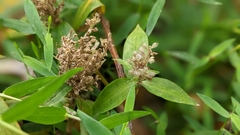 Floscopa scandens Climbing Flower Cup Photo: CC BY-SA, 許文俊
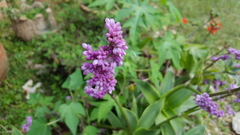 Callisia warszewicziana Photo: CC BY-SA, alessandradalia
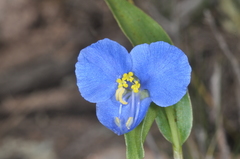 Commelina tuberosa Blue Spiderwort Photo: CC BY, aacocucci
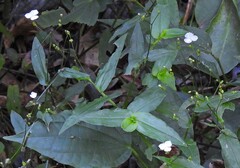 Gibasis geniculata Tahitian bridalveil Photo: CC0, Hugo Hulsberg
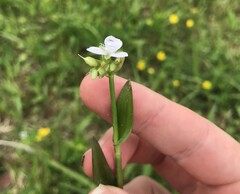 Murdannia loriformis Severalflower dewflower Photo: CC0, Mason Brock
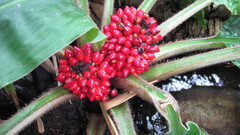 Palisota bracteosa Loko Toawombi Photo: CC BY, zebedeugalinha
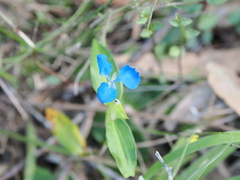 Commelina cyanea Creeping Christian Photo: CC BY, Lucas Christofides
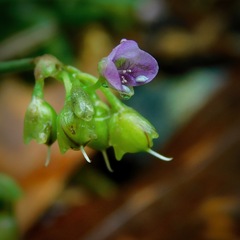 Murdannia nudiflora Nakedstem dewflower Photo: CC BY, Michael J. Papay
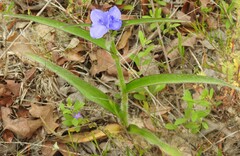 Tradescantia hirsutiflora Hairyflower spiderwort Photo: CC BY, saltyhiker
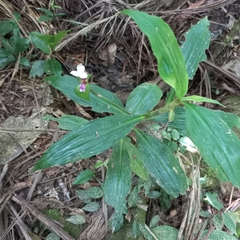 Tradescantia zanonia Cohitre Blanco Photo: CC BY, Patrícia Mees
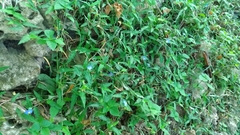 Commelina auriculata Photo: CC BY, Jason
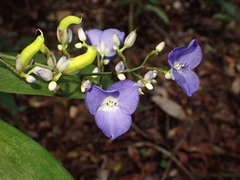 Dichorisandra penduliflora Photo: CC BY, agujaceratops
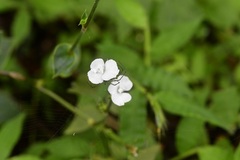 Callisia gentlei Photo: CC BY, Neptalí Ramírez Marcial
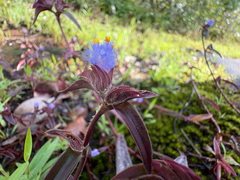 Cyanotis arachnoidea Photo: CC BY-SA, athiwu
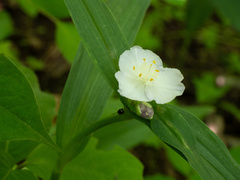 Tradescantia ozarkana Ozark spiderwort Photo: CC BY-SA, Turner Brockman
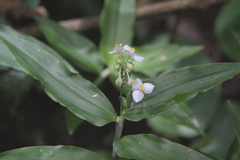 Tripogandra diuretica Photo: CC0, filipeprates
Grown: iNaturalist's observations of the species marked captive or cultivated; "not counted" where the species list does not count it. Native ranges: Kew's World Checklist of Vascular Plants (Govaerts et al., CC BY 4.0), file of 4 June 2026. Grown: iNaturalist's observations marked captive or cultivated, counted 17 October 2026 (the species list's count). Habitat climate known: the species page has a habitat climate, read from CHELSA's monthly climate and NASA POWER's daily extremes at its well-placed wild records inside Kew's native range; each page says its own sources and days. Record low: the lowest night in NASA POWER's daily series at the habitat's typical spot, as the species page gives it, held in °C to a tenth and shown in your units; each page says its own years and day read. Counts as the reference built on 19 November 2026 holds them. The CSV holds every result, not only this page's.