Didiereaceae
16 species in 4 genera · 10 with a habitat climate · 14 grown, per iNaturalist, 2 not counted
Most native to: Madagascar 9Namibia 6Cape Provinces 4Angola 2Kenya 1KwaZulu-Natal 1Mozambique 1Northern Provinces 1Swaziland 1
A species counts in every region it is native to. Native ranges: Kew's World Checklist of Vascular Plants (Govaerts et al., CC BY 4.0), file of 4 June 2026.
16 species
Didiereaceae
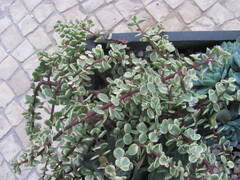 Portulacaria afra Elephant bush Photo: CC BY, zebedeugalinha
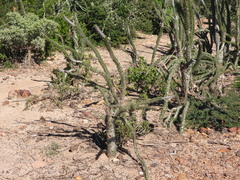 Alluaudia procera Madagascar Ocotillo Photo: CC BY, amantedarmanin
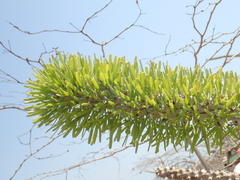 Didierea madagascariensis Octopus-tree Photo: CC BY, Rosario Douglas
 Alluaudia ascendens Alluaudia Photo: CC BY-SA, Rillke
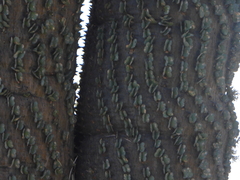 Alluaudia montagnacii Photo: CC BY, amantedarmanin
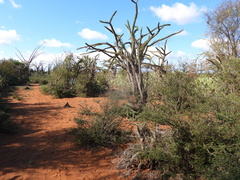 Didierea trollii Photo: CC BY, amantedarmanin
 Alluaudia humbertii Photo: CC BY, Michael A. Alcorn
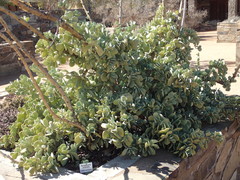 Portulacaria namaquensis Namaqua Spekboom Photo: CC0, Peter Warren
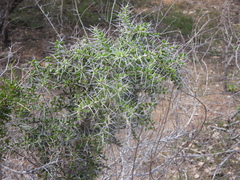 Alluaudia comosa Photo: CC BY, amantedarmanin
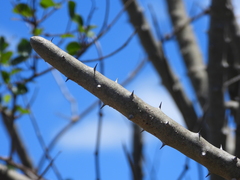 Alluaudia dumosa Photo: CC BY, amantedarmanin
 Portulacaria armiana Large-leafed spekboom Photo: CC BY-SA, Tony Rebelo
 Decarya madagascariensis Photo: CC BY-SA, Frank Vincentz
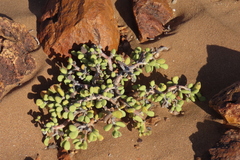 Portulacaria pygmaea Pygmy Porkbush Photo: CC0, dune_ninja
 Portulacaria fruticulosa Dwarf Porkbush Photo: CC BY-SA, Brian du Preez
- no open photograph on file Portulacaria carrissoana
 Portulacaria longipedunculata Kaoko Ceraria Photo: CC BY-SA, SAplants
Grown: iNaturalist's observations of the species marked captive or cultivated; "not counted" where the species list does not count it. Native ranges: Kew's World Checklist of Vascular Plants (Govaerts et al., CC BY 4.0), file of 4 June 2026. Grown: iNaturalist's observations marked captive or cultivated, counted 17 October 2026 (the species list's count). Habitat climate known: the species page has a habitat climate, read from CHELSA's monthly climate and NASA POWER's daily extremes at its well-placed wild records inside Kew's native range; each page says its own sources and days. Record low: the lowest night in NASA POWER's daily series at the habitat's typical spot, as the species page gives it, held in °C to a tenth and shown in your units; each page says its own years and day read. Counts as the reference built on 19 November 2026 holds them. The CSV holds every result, not only this page's.