Gleicheniaceae
13 species in 6 genera · 13 with a habitat climate · 13 grown, per iNaturalist
Most native to: New South Wales 5New Zealand North 5Borneo 4China South-Central 4Malaya 4New Caledonia 4Philippines 4Queensland 4Sulawesi 4Victoria 4Vietnam 4Cambodia 3
A species counts in every region it is native to. Native ranges: Kew's World Checklist of Vascular Plants (Govaerts et al., CC BY 4.0), file of 4 June 2026.
13 species
Gleicheniaceae
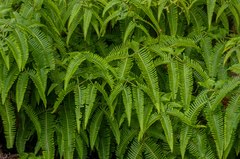 Dicranopteris linearis Old World forkedfern Photo: CC BY, Niki Robertson
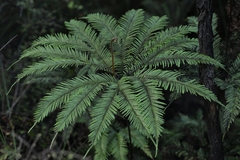 Sticherus flabellatus Shiny fan fern Photo: CC BY-SA, Christopher Stephens
 Dicranopteris pedata Dichotomy Forked Fern Photo: CC BY, Michael Meiring
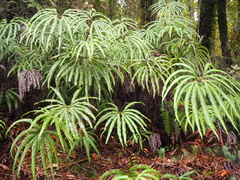 Sticherus cunninghamii Umbrella fern Photo: CC BY, Mike Dickison
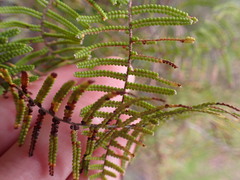 Gleichenia dicarpa Pouched Coral-fern Photo: CC BY, ttsquid
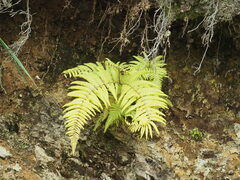 Diplopterygium glaucum Forked fern Photo: CC0, 葉子
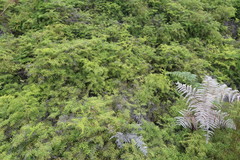 Gleichenia polypodioides Coral Fern Photo: CC0, Di Turner
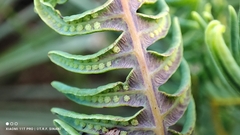 Dicranopteris flexuosa Drooping forked fern Photo: CC BY, Thomaz Ricardo Favreto Sinani
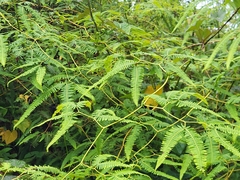 Gleichenella pectinata Comb Forkedfern Photo: CC BY, Brandon McCracken
- no open photograph on file Sticheropsis truncata
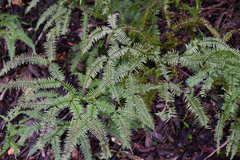 Sticherus lobatus Spreading Fan-fern Photo: CC BY, Bryce Watts-Parker
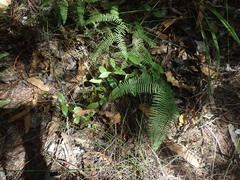 Gleichenia microphylla Photo: CC0, Jenny Christianson
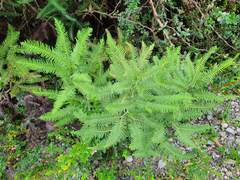 Sticherus squamulosus Photo: CC BY, Cesar Ormazabal
Grown: iNaturalist's observations of the species marked captive or cultivated; "not counted" where the species list does not count it. Native ranges: Kew's World Checklist of Vascular Plants (Govaerts et al., CC BY 4.0), file of 4 June 2026. Grown: iNaturalist's observations marked captive or cultivated, counted 17 October 2026 (the species list's count). Habitat climate known: the species page has a habitat climate, read from CHELSA's monthly climate and NASA POWER's daily extremes at its well-placed wild records inside Kew's native range; each page says its own sources and days. Record low: the lowest night in NASA POWER's daily series at the habitat's typical spot, as the species page gives it, held in °C to a tenth and shown in your units; each page says its own years and day read. Counts as the reference built on 19 November 2026 holds them. The CSV holds every result, not only this page's.