Loganiaceae
19 species in 6 genera · 19 with a habitat climate · 19 grown, per iNaturalist
Most native to: Mexico Northeast 6Bolivia 4Brazil North 4Brazil Northeast 4Brazil Southeast 4Brazil West-Central 4Costa Rica 4El Salvador 4Guatemala 4Honduras 4Malawi 4Mexico Southeast 4
A species counts in every region it is native to. Native ranges: Kew's World Checklist of Vascular Plants (Govaerts et al., CC BY 4.0), file of 4 June 2026.
19 species
Loganiaceae
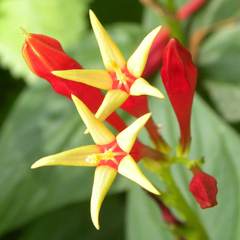 Spigelia marilandica Indian-pink Photo: CC BY, M. Whitson
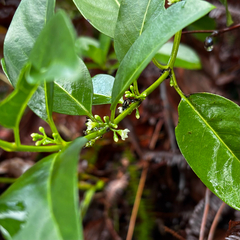 Geniostoma rupestre Photo: CC BY, Gabriel
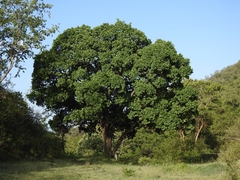 Strychnos nux-vomica Strychnine tree Photo: CC BY, rajesh rocky
 Spigelia anthelmia Wormgrass Photo: CC BY, Josiah Londerée
 Strychnos spinosa Natal orange Photo: CC BY-SA, Brian du Preez
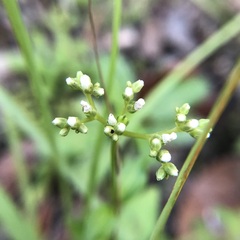 Mitreola petiolata Lax hornpod Photo: CC BY, jonsense
 Strychnos madagascariensis Hairy-leaved monkey-orange Photo: CC BY, Mahomed Desai
 Gardneria ovata Photo: CC BY, Siddarth Machado
 Spigelia humboldtiana Photo: CC BY, Nolan Exe
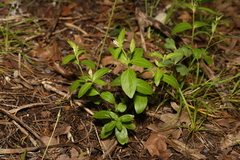 Spigelia hedyotidea Prairie pinkroot Photo: CC BY, Reid Hardin
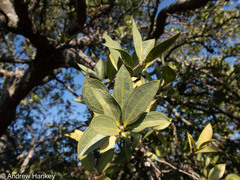 Strychnos pungens Green Monkey Orange Photo: CC BY-SA, Andrew Hankey
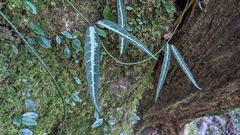 Gardneria multiflora Photo: CC BY, Cheng-Te Hsu
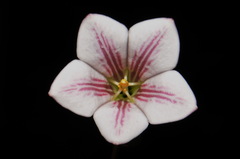 Spigelia alabamensis Alabama Indian Pink Photo: CC BY-SA, Brian Finzel
Neuburgia novocaledonica Photo: CC BY-SA, vanessa_147
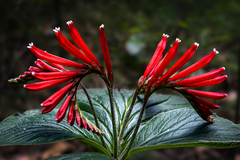 Spigelia splendens Brilliant Spigelia Photo: CC BY, Daniel Pineda Vera
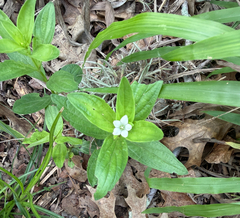 Spigelia texana Texas pinkroot Photo: CC BY, IDClaire
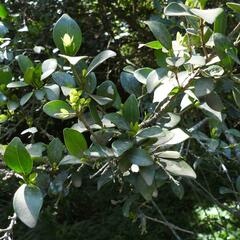 Strychnos decussata Cape-Teak Photo: CC BY, Henry de Lange
- no open photograph on file Strychnos nigricans
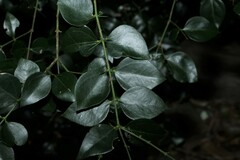 Strychnos psilosperma Strychnine Tree Photo: CC BY-SA, Greg Tasney
Grown: iNaturalist's observations of the species marked captive or cultivated; "not counted" where the species list does not count it. Native ranges: Kew's World Checklist of Vascular Plants (Govaerts et al., CC BY 4.0), file of 4 June 2026. Grown: iNaturalist's observations marked captive or cultivated, counted 17 October 2026 (the species list's count). Habitat climate known: the species page has a habitat climate, read from CHELSA's monthly climate and NASA POWER's daily extremes at its well-placed wild records inside Kew's native range; each page says its own sources and days. Record low: the lowest night in NASA POWER's daily series at the habitat's typical spot, as the species page gives it, held in °C to a tenth and shown in your units; each page says its own years and day read. Counts as the reference built on 19 November 2026 holds them. The CSV holds every result, not only this page's.