Melanthiaceae
89 species in 14 genera · 81 with a habitat climate · 81 grown, per iNaturalist, 8 not counted
Most native to: Georgia 28Alabama 26Tennessee 25North Carolina 24South Carolina 22Virginia 19Kentucky 18Maryland 17West Virginia 17California 15Oregon 14China South-Central 13
A species counts in every region it is native to. Native ranges: Kew's World Checklist of Vascular Plants (Govaerts et al., CC BY 4.0), file of 4 June 2026.
89 species
Melanthiaceae
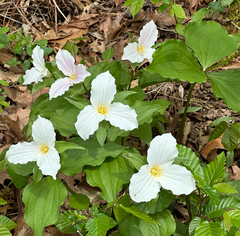 Trillium grandiflorum White trillium Photo: CC BY, aberkov
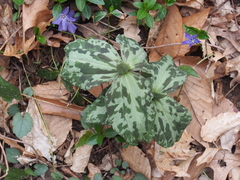 Trillium cuneatum Little sweet Betsy Photo: CC BY-SA, Lena Struwe
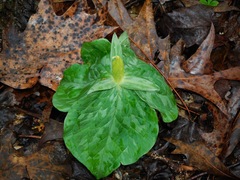 Trillium luteum Yellow wakerobin Photo: CC BY, Michael J. Papay
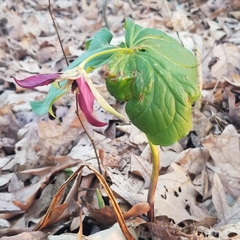 Trillium erectum Red trillium Photo: CC BY, Daniel McClosky
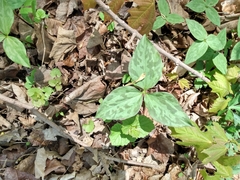 Trillium recurvatum Bloody butcher Photo: CC BY, Max
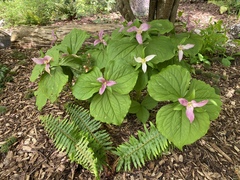 Trillium ovatum Pacific trillium Photo: CC BY, John Leszczynski
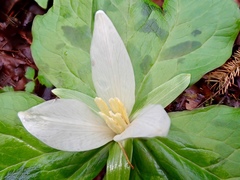 Trillium albidum Giant white wakerobin Photo: CC BY, John Brew
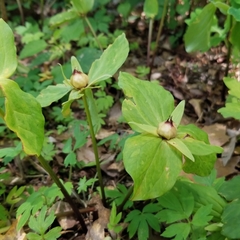 Trillium sessile Toadshade Photo: CC BY, Daniel McClosky
 Trillium flexipes Drooping trillium Photo: CC0, Ira Gershenhorn
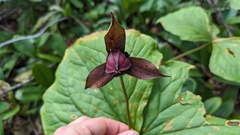 Trillium sulcatum Furrowed wakerobin Photo: CC0, Chase Guindon
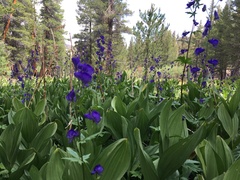 Veratrum californicum California false hellebore Photo: CC BY, Martin Purdy
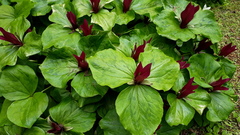 Trillium chloropetalum Giant trillium Photo: CC BY, Doug Miller
 Paris polyphylla Love Apple Photo: CC BY, Licheng Shih
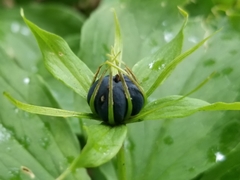 Paris quadrifolia Herb-Paris Photo: CC BY, Daniel McClosky
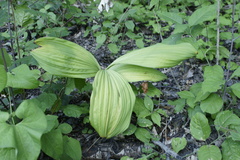 Veratrum nigrum Black-hellebore Photo: CC0, Yehor Yatsiuk
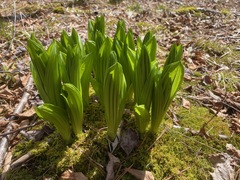 Veratrum viride Green false hellebore Photo: CC BY, Tom Scavo
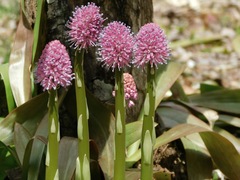 Helonias bullata Swamp pink Photo: CC BY, Michael J. Papay
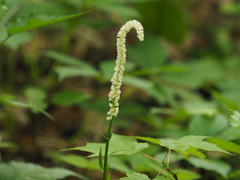 Chamaelirium luteum Fairy-wand Photo: CC0, mefisher
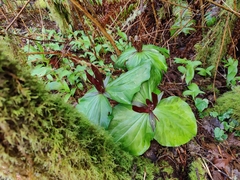 Trillium kurabayashii Giant purple wakerobin Photo: CC BY, Katherine Scott
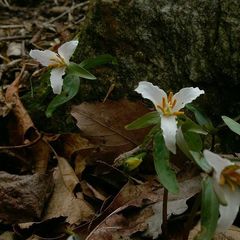 Trillium pusillum Dwarf wakerobin Photo: CC BY, Daniel McClosky
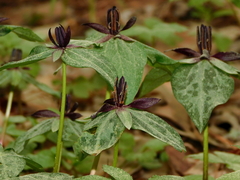 Trillium stamineum Blue Ridge wakerobin Photo: CC BY, Michael J. Papay
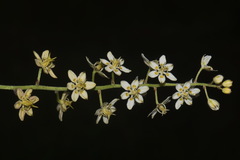 Melanthium virginicum Virginia bunchflower Photo: CC BY-SA, Brian Finzel
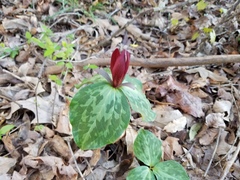 Trillium maculatum Spotted wakerobin Photo: CC BY, Leila Dasher
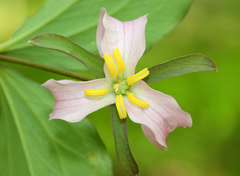 Trillium catesbaei Bashful wakerobin Photo: CC BY, Christine Young
 Trillium camschatcense Kamchatka trillium Photo: CC BY, Elena A. Kizilova (Елена А. Кизилова)
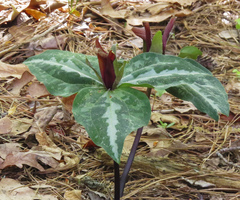 Trillium underwoodii Longbract wakerobin Photo: CC BY, Seig
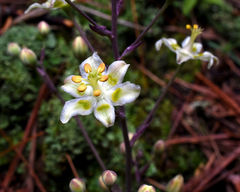 Anticlea elegans Mountain death camas Photo: CC BY-SA, davecz2
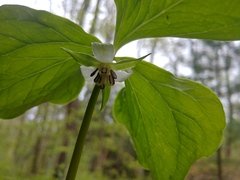 Trillium cernuum Whip-poor-will flower Photo: CC BY, Laura J. Costello
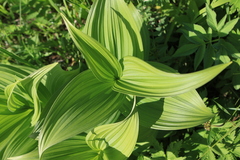 Veratrum lobelianum White Hellebore Photo: CC BY, Нурхайдарова Татьяна
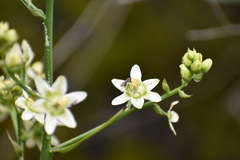 Toxicoscordion fremontii Fremont's death camas Photo: CC BY, John Powers
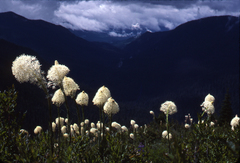 Xerophyllum tenax Beargrass Photo: CC0, moranat
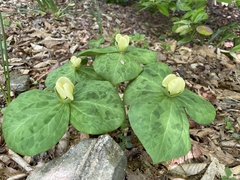 Trillium discolor Mottled wakerobin Photo: CC BY, Graham Williams
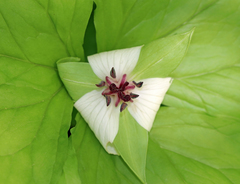 Trillium rugelii Illscented wakerobin Photo: CC BY, Christine Young
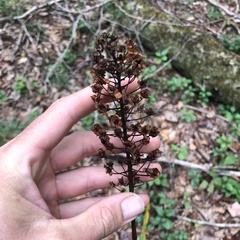 Amianthium muscitoxicum Fly-poison Photo: CC BY, Andrew Conboy
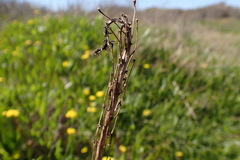 Toxicoscordion venenosum Meadow death camas Photo: CC BY, Noah How
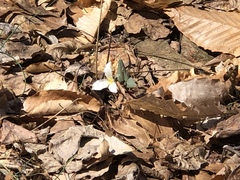 Trillium nivale Snow trillium Photo: CC BY, JHummel
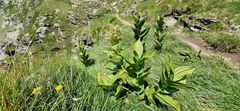 Veratrum album White false hellebore Photo: CC BY, Jens-Christian Svenning
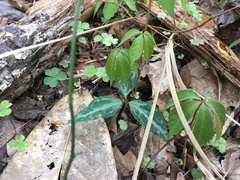 Trillium lancifolium Lanceleaf wakerobin Photo: CC BY, harrier
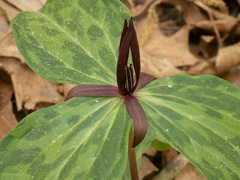 Trillium gracile Slender trillium Photo: CC BY-SA, Turner Brockman
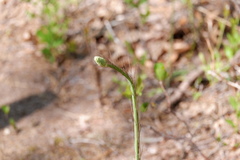 Xerophyllum asphodeloides Turkey-beard Photo: CC BY, Bonnie Semmling
 Helonias orientalis Photo: CC BY, Yoshimasa Uchiyama
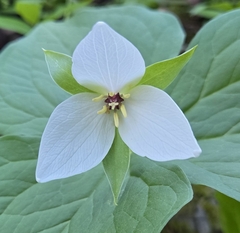 Trillium simile Jeweled wakerobin Photo: CC BY, Ben Gruhot
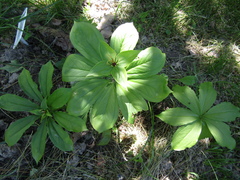 Paris incompleta Photo: CC BY, Oleksandr Shynder
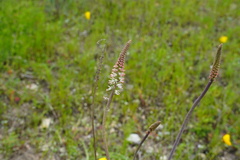 Schoenocaulon texanum Texas feather-shank Photo: CC BY, Michelle Lay
 Stenanthium densum Osceola's plume Photo: CC BY, Nash Turley
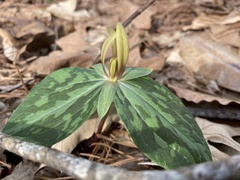 Trillium foetidissimum Mississippi River wakerobin Photo: CC BY, Daniel Patterson
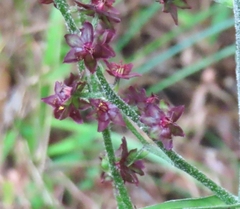 Veratrum maackii Korean meadow false-hellebore Photo: CC BY, mami_t_t
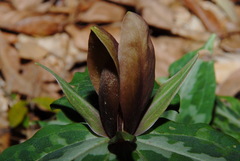 Trillium decipiens Chattahoochee River wakerobin Photo: CC BY-SA, Brian Finzel
Grown: iNaturalist's observations of the species marked captive or cultivated; "not counted" where the species list does not count it. Native ranges: Kew's World Checklist of Vascular Plants (Govaerts et al., CC BY 4.0), file of 4 June 2026. Grown: iNaturalist's observations marked captive or cultivated, counted 17 October 2026 (the species list's count). Habitat climate known: the species page has a habitat climate, read from CHELSA's monthly climate and NASA POWER's daily extremes at its well-placed wild records inside Kew's native range; each page says its own sources and days. Record low: the lowest night in NASA POWER's daily series at the habitat's typical spot, as the species page gives it, held in °C to a tenth and shown in your units; each page says its own years and day read. Counts as the reference built on 19 November 2026 holds them. The CSV holds every result, not only this page's.