Meliaceae
80 species in 32 genera · 74 with a habitat climate · 78 grown, per iNaturalist, 2 not counted
Most native to: Thailand 22Myanmar 21Philippines 21Malaya 20Vietnam 20Sumatera 18Borneo 17Colombia 17Lesser Sunda Is. 17Peru 17Sulawesi 17Cambodia 16
A species counts in every region it is native to. Native ranges: Kew's World Checklist of Vascular Plants (Govaerts et al., CC BY 4.0), file of 4 June 2026.
80 species
Meliaceae
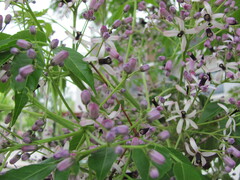 Melia azedarach Chinaberry tree Photo: CC BY, zebedeugalinha
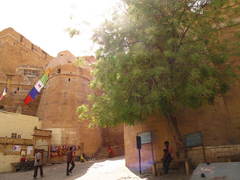 Azadirachta indica Neem Photo: CC BY, Yoav Daniel Bar-Ness
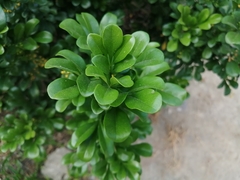 Aglaia odorata Chinese Perfume Plant Photo: CC BY, 五色鳥
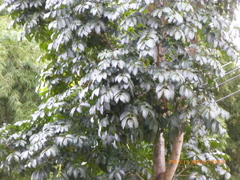 Swietenia macrophylla Honduras mahogany Photo: CC BY, Daniel A. Monsalve Ortiz
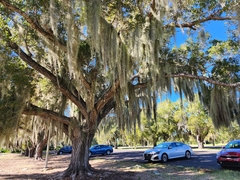 Swietenia mahagoni West Indian mahogany Photo: CC BY, Kaden Slone
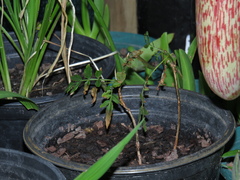 Ekebergia capensis Cape-ash Photo: CC BY, Jeremy Gilmore
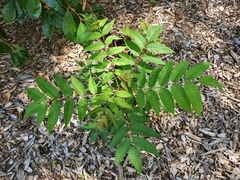 Toona sinensis Red toon Photo: CC BY, Alex Zorach
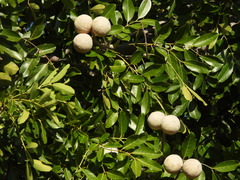 Khaya senegalensis Senegal mahogany Photo: CC BY, Mark Clarke
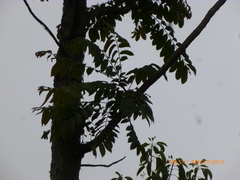 Cedrela odorata Spanish cedar Photo: CC BY, Daniel A. Monsalve Ortiz
 Aglaia elaeagnoidea Coastal boodyarra Photo: CC BY, T R Shankar Raman
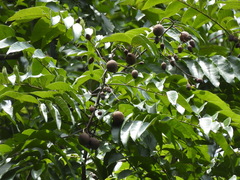 Chukrasia tabularis Chittagong wood Photo: CC BY, Adam Kamal
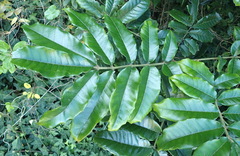 Trichilia dregeana Cape-mahogany Photo: CC BY-SA, Nicola van Berkel
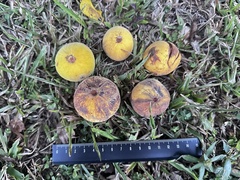 Sandoricum koetjape Red santol Photo: CC BY, scallions
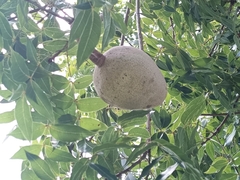 Swietenia humilis Pacific Coast mahogany Photo: CC BY, nasua
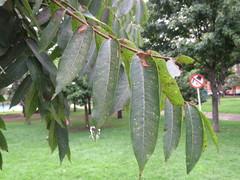 Cedrela montana Andean Cedar Photo: CC BY, Juan Carlos Caicedo Hernández
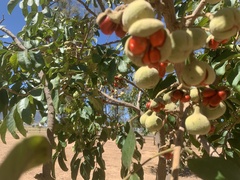 Trichilia emetica Natal mahogany Photo: CC BY, Dave Richardson
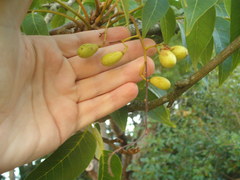 Toona ciliata Australian redcedar Photo: CC BY, Stephen Thorpe
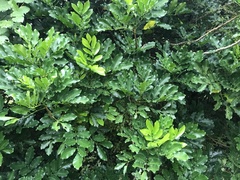 Didymocheton spectabilis Kohekohe Photo: CC BY, Mike Dickison
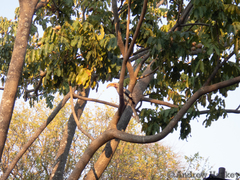 Khaya anthotheca White mahogany Photo: CC BY-SA, Andrew Hankey
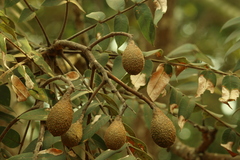 Cedrela fissilis Argentine cedar Photo: CC BY, Wallace Carneiro Almeida
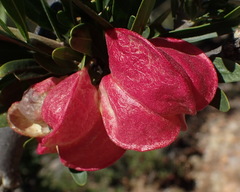 Nymania capensis Chinese Lantern Tree Photo: CC BY-SA, Nicola van Berkel
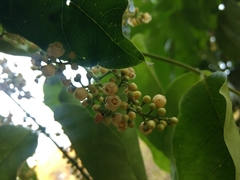 Aphanamixis polystachya Rohituka Tree Photo: CC0, Ajit Ampalakkad
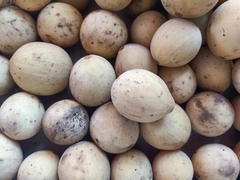 Lansium domesticum Langsat Photo: CC BY-SA, Ong Jyh Seng
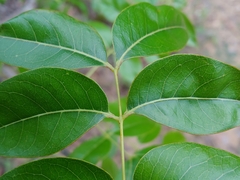 Swietenia × aubrevilleana Photo: CC BY-SA, Kurt Miller
 Guarea guidonia American muskwood Photo: CC BY, João Vitor Oliveira de Souza
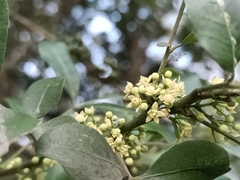 Trichilia havanensis Bastard Lime Photo: CC BY, nasua
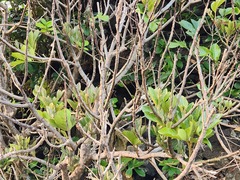 Aglaia rimosa Photo: CC BY, 胡正恆(Jackson Hu)
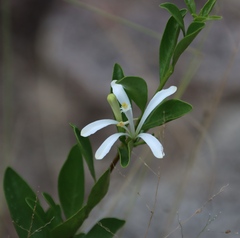 Turraea obtusifolia Small Honeysuckle-Tree Photo: CC BY-SA, Tony Rebelo
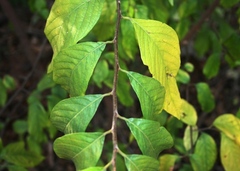 Turraea floribunda Honeysuckle Tree Photo: CC BY-SA, M Kriek
 Melia dubia Photo: CC BY, T R Shankar Raman
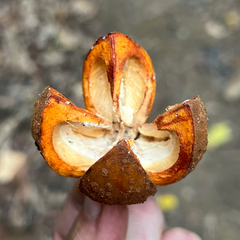 Epicharis parasitica Yellow mahogany Photo: CC BY-SA, James K. Douch
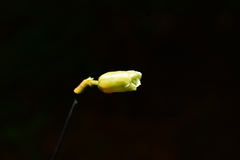 Cedrela angustifolia Photo: CC BY, Jhon A. Yuca-Palomino
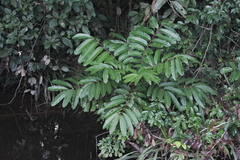 Carapa guianensis Crabwood Photo: CC BY, fmunoz
 Khaya grandifoliola Benin mahogany Photo: CC BY, Thorsten Hackbarth
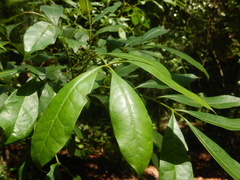 Synoum glandulosum Scentless rosewood Photo: CC BY, Bryce Watts-Parker
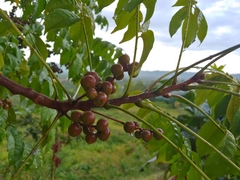 Trichilia hirta Broomstick Photo: CC BY-SA, Kurt Miller
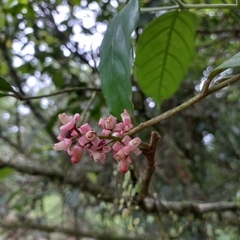 Guarea macrophylla Photo: CC BY, Patrícia Mees
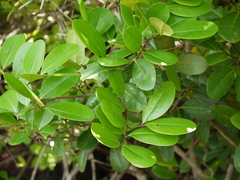 Xylocarpus granatum Apple mangrove Photo: CC BY-SA, Dinesh Valke
Didymocheton mollissimus Photo: CC BY, Michael Hains
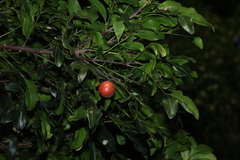 Owenia venosa Crow's-apple Photo: CC BY-SA, Greg Tasney
Didymocheton fraserianus Australian rosewood Photo: CC BY, Michael Hains
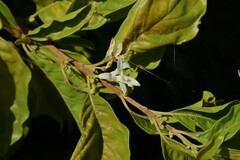 Turraea pubescens Photo: CC BY-SA, Greg Tasney
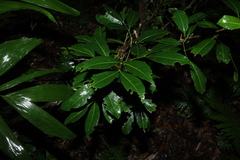 Anthocarapa nitidula Incense cedar Photo: CC BY-SA, Greg Tasney
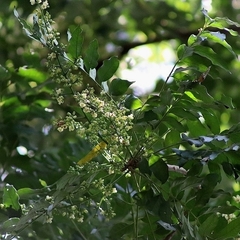 Cabralea canjerana Photo: CC BY, Thomaz Ricardo Favreto Sinani
 Cedrela dugesii Photo: CC BY-SA, Oscar Alejandro Morales Juárez
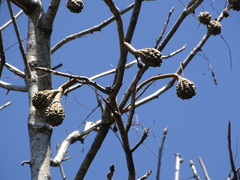 Cedrela salvadorensis Photo: CC BY, Alexis López Hernández
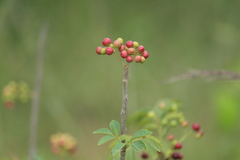 Cipadessa baccifera Photo: CC0, Haneesh K M
 Entandrophragma caudatum Mountain-mahogany Photo: CC BY, Ryan van Huyssteen
Grown: iNaturalist's observations of the species marked captive or cultivated; "not counted" where the species list does not count it. Native ranges: Kew's World Checklist of Vascular Plants (Govaerts et al., CC BY 4.0), file of 4 June 2026. Grown: iNaturalist's observations marked captive or cultivated, counted 17 October 2026 (the species list's count). Habitat climate known: the species page has a habitat climate, read from CHELSA's monthly climate and NASA POWER's daily extremes at its well-placed wild records inside Kew's native range; each page says its own sources and days. Record low: the lowest night in NASA POWER's daily series at the habitat's typical spot, as the species page gives it, held in °C to a tenth and shown in your units; each page says its own years and day read. Counts as the reference built on 19 November 2026 holds them. The CSV holds every result, not only this page's.