Montiaceae
53 species in 10 genera · 53 with a habitat climate · 44 grown, per iNaturalist, 9 not counted
Most native to: California 26Oregon 20Washington 18British Columbia 16Idaho 16Nevada 14Utah 14Montana 13Chile Central 11Colorado 11Mexico Northwest 11Arizona 10
A species counts in every region it is native to. Native ranges: Kew's World Checklist of Vascular Plants (Govaerts et al., CC BY 4.0), file of 4 June 2026.
53 species
Montiaceae
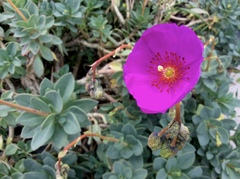 Cistanthe grandiflora Photo: CC BY, Rudyard
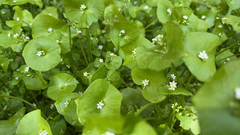 Claytonia perfoliata Photo: CC BY, dennisvo
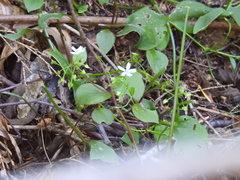 Claytonia sibirica Pink purslane Photo: CC0, Yann Kemper
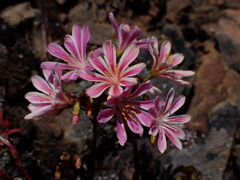 Lewisia cotyledon Siskiyou lewisia Photo: CC BY, Nolan Exe
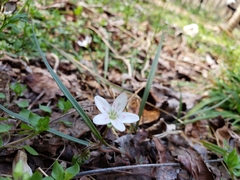 Claytonia virginica Virginia springbeauty Photo: CC BY-SA, Judith Bush
 Claytonia parviflora Streambank spring-beauty Photo: CC BY, Adam J. Searcy
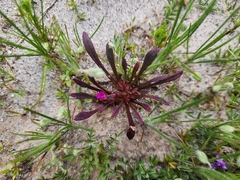 Calandrinia ciliata Red-maids Photo: CC BY, GREGORY ANTHONY PAUCA TANCO
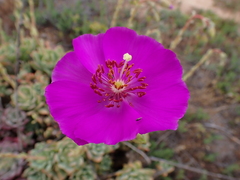 Cistanthe laxiflora Photo: CC BY, Nolan Exe
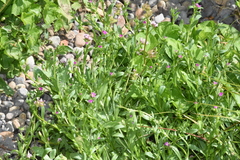 Calandrinia menziesii Red-maids Photo: CC BY, Gabriel Campbell-Martinez
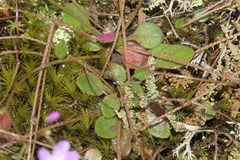 Montia parvifolia Small-leaved Blinks Photo: CC0, Sean Haight
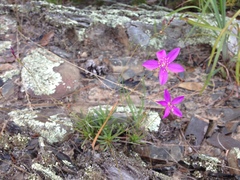 Phemeranthus calycinus Large-flowered fameflower Photo: CC0, Mason Brock
 Lewisia columbiana Columbia lewisia Photo: CC BY, Gabriel Campbell-Martinez
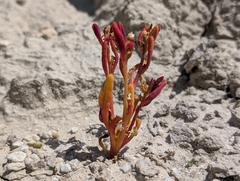 Thingia ambigua Desert rockpurslane Photo: CC BY, Sergey
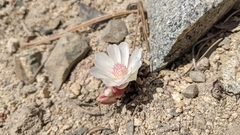 Lewisia rediviva Bitter-root Photo: CC BY, velodrome
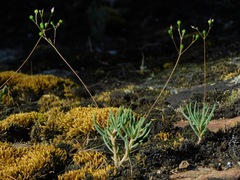 Phemeranthus teretifolius Appalachian rock-pink Photo: CC BY, Michael J. Papay
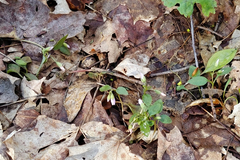 Claytonia caroliniana Carolina spring-beauty Photo: CC BY, Randy A Nonenmacher
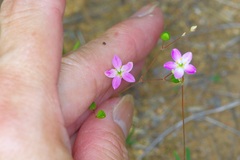 Phemeranthus parviflorus Sunbright Photo: CC BY, Michelle W. (鍾偉瑋)
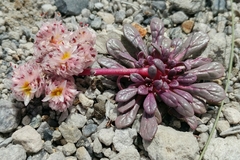 Calyptridium umbellatum Mount Hood pussypaws Photo: CC BY, Casey H. Richart
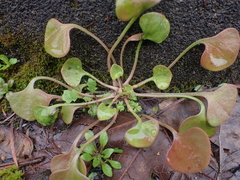 Claytonia rubra Red-stemmed spring-beauty Photo: CC0, Deniz Wilson
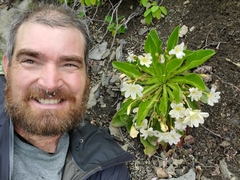 Lewisiopsis tweedyi Tweedy's bitterroot Photo: CC0, Shane Johnson
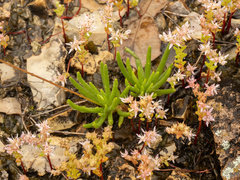 Phemeranthus calcaricus Cedar-glade rock-pink Photo: CC BY-SA, Turner Brockman
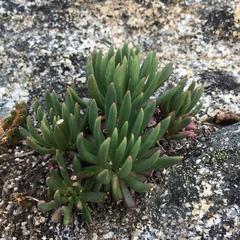 Lewisia leeana Quill-leaf lewisia Photo: CC BY, Matt Berger
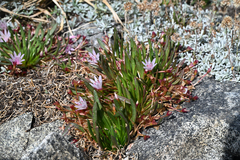 Lewisia longipetala Long-petaled lewisia Photo: CC BY, Trevor Van Loon
 Calandrinia acaulis Photo: CC BY, cstobie
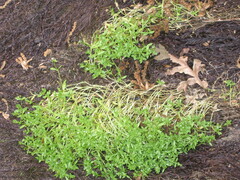 Montia fontana Blinks Photo: CC BY, zebedeugalinha
 Phemeranthus mengesii Menges' fameflower Photo: CC BY, Evan M. Raskin
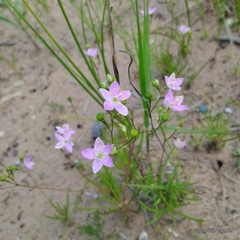 Phemeranthus rugospermus Prairie fameflower Photo: CC BY, Bryce
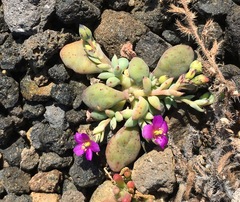 Cistanthe maritima Seaside pussypaws Photo: CC BY, Adam J. Searcy
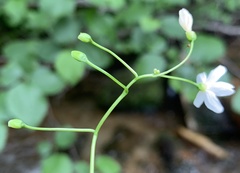 Claytonia cordifolia Heart-leaved spring-beauty Photo: CC BY, mark-groeneveld
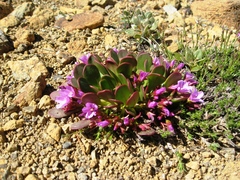 Claytonia megarhiza Alpine spring-beauty Photo: CC BY-SA, J Brew
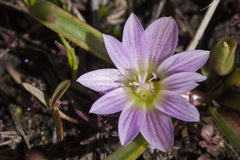 Lewisia pygmaea Alpine bitterroot Photo: CC0, Cecelia Alexander
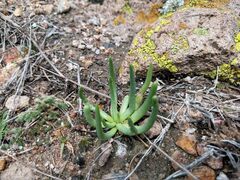 Phemeranthus napiformis Photo: CC BY, Alexis López Hernández
 Cistanthe guadalupensis Photo: CC BY, william_hoyer
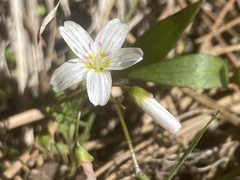 Claytonia lanceolata Western spring-beauty Photo: CC BY, marek
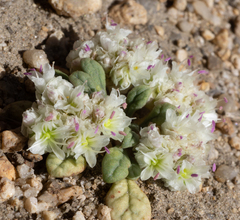 Calyptridium monospermum Photo: CC BY, Matt Berger
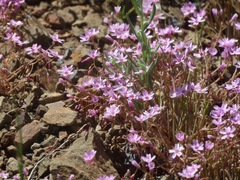 Claytonia gypsophiloides Gypsum springbeauty Photo: CC BY, John Hibbard
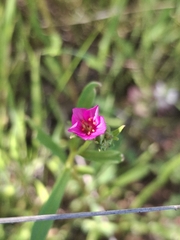 Calandrinia pilosiuscula Photo: CC BY, S. Cortés
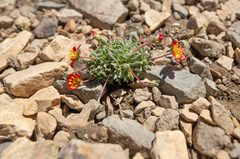 Calandrinia caespitosa Photo: CC BY, Morten Ross
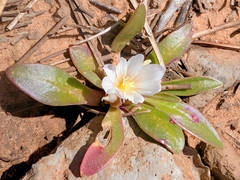 Lewisia brachycalyx Short-sepal lewisia Photo: CC BY, James Fowler
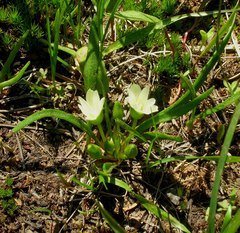 Lewisia nevadensis Nevada bitter-root Photo: CC BY-SA, J Brew
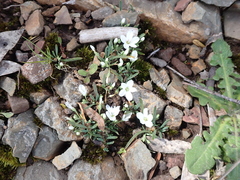 Montia australasica White Purslane Photo: CC BY, Nina Kerr
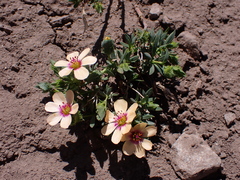 Montiopsis andicola Photo: CC BY, Nolan Exe
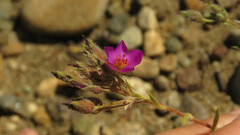 Montiopsis umbellata Rock-purslane Photo: CC BY, Ariadna Tripaldi
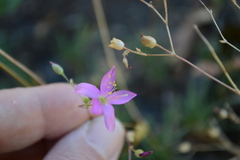 Phemeranthus spinescens Spiny fameflower Photo: CC0, Jeremy Buegge
 Calandrinia colchaguensis Photo: CC BY, Romi Galeota Lencina
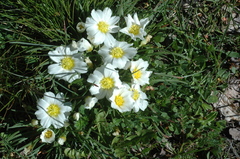 Calandrinia graminifolia Photo: CC BY, aacocucci
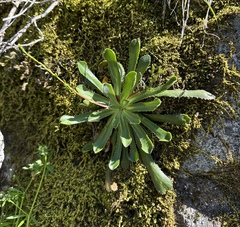 Lewisia cantelovii Cantelow's lewisia Photo: CC BY, Matt Berger
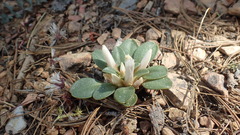 Lewisia kelloggii Kellogg's lewisia Photo: CC BY, Justin Paulin
Grown: iNaturalist's observations of the species marked captive or cultivated; "not counted" where the species list does not count it. Native ranges: Kew's World Checklist of Vascular Plants (Govaerts et al., CC BY 4.0), file of 4 June 2026. Grown: iNaturalist's observations marked captive or cultivated, counted 17 October 2026 (the species list's count). Habitat climate known: the species page has a habitat climate, read from CHELSA's monthly climate and NASA POWER's daily extremes at its well-placed wild records inside Kew's native range; each page says its own sources and days. Record low: the lowest night in NASA POWER's daily series at the habitat's typical spot, as the species page gives it, held in °C to a tenth and shown in your units; each page says its own years and day read. Counts as the reference built on 19 November 2026 holds them. The CSV holds every result, not only this page's.