Ochnaceae
17 species in 5 genera · 14 with a habitat climate · 16 grown, per iNaturalist, 1 not counted
Most native to: Mozambique 5Northern Provinces 5Kenya 4KwaZulu-Natal 4Swaziland 4Tanzania 4Angola 3Bolivia 3Brazil North 3Brazil West-Central 3Cape Provinces 3Colombia 3
A species counts in every region it is native to. Native ranges: Kew's World Checklist of Vascular Plants (Govaerts et al., CC BY 4.0), file of 4 June 2026.
17 species
Ochnaceae
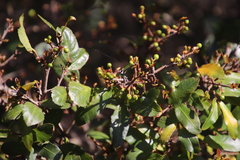 Ochna serrulata Mickey Mouse plant Photo: CC BY-SA, Tony Rebelo
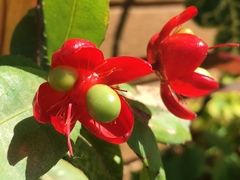 Ochna thomasiana Thomas' bird's-eye bush Photo: CC BY-SA, AnnLazaro
 Ochna integerrima Yellow Mai Photo: CC BY-SA, Prenn
 Ochna natalitia Coast Boxwood Photo: CC BY-SA, grabbarg
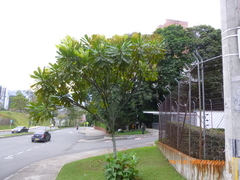 Cespedesia spathulata John crow wood Photo: CC BY, Daniel A. Monsalve Ortiz
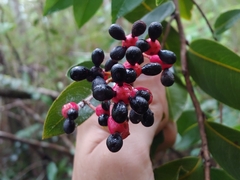 Ouratea litoralis Abey amarillo Photo: CC BY-SA, Kurt Miller
 Ochna kirkii Photo: CC BY-SA, Meneerke bloem
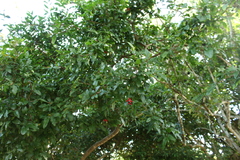 Ochna arborea Cape Redwood Photo: CC BY-SA, Corne Brink
 Ochna atropurpurea Photo: CC0, Daderot
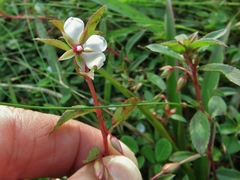 Sauvagesia erecta Creole tea Photo: CC BY, Annika Lindqvist
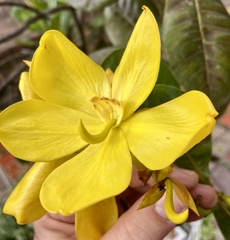 Godoya antioquiensis Photo: CC0, Andrew J. Crawford
- no open photograph on file Ochna gamostigmata Small Forest Ochna
 Ochna obtusata Photo: CC BY, Firos AK
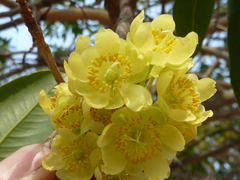 Ochna pulchra Bark Plane Photo: CC BY-SA, Andrew Hankey
- no open photograph on file Ochna multiflora
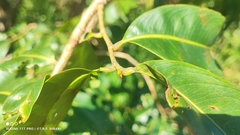 Ouratea hexasperma Photo: CC BY, Thomaz Ricardo Favreto Sinani
- no open photograph on file Ochna madagascariensis
Grown: iNaturalist's observations of the species marked captive or cultivated; "not counted" where the species list does not count it. Native ranges: Kew's World Checklist of Vascular Plants (Govaerts et al., CC BY 4.0), file of 4 June 2026. Grown: iNaturalist's observations marked captive or cultivated, counted 17 October 2026 (the species list's count). Habitat climate known: the species page has a habitat climate, read from CHELSA's monthly climate and NASA POWER's daily extremes at its well-placed wild records inside Kew's native range; each page says its own sources and days. Record low: the lowest night in NASA POWER's daily series at the habitat's typical spot, as the species page gives it, held in °C to a tenth and shown in your units; each page says its own years and day read. Counts as the reference built on 19 November 2026 holds them. The CSV holds every result, not only this page's.