Phrymaceae
46 species in 8 genera · 46 with a habitat climate · 44 grown, per iNaturalist, 2 not counted
Most native to: California 31Oregon 17Mexico Northwest 14Washington 13Nevada 11Idaho 10Utah 10Arizona 8British Columbia 8Montana 7Mexico Northeast 6Wyoming 6
A species counts in every region it is native to. Native ranges: Kew's World Checklist of Vascular Plants (Govaerts et al., CC BY 4.0), file of 4 June 2026.
46 species
Phrymaceae
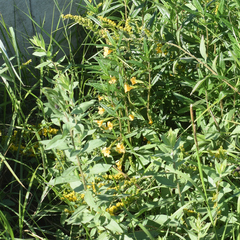 Diplacus aurantiacus Orange bush monkey-flower Photo: CC0, Anne Parsons
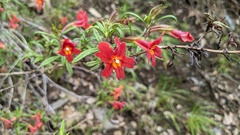 Diplacus puniceus Red bush monkeyflower Photo: CC0, Andy Kleinhesselink
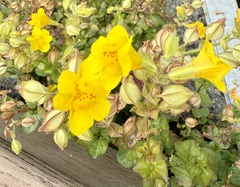 Erythranthe guttata Monkeyflower Photo: CC BY, Petr Harant
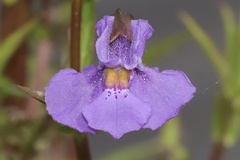 Mimulus ringens Allegheny monkey-flower Photo: CC BY, Dustin Snider
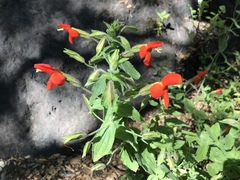 Erythranthe cardinalis Cardinal monkey-flower Photo: CC0, M Sorensen
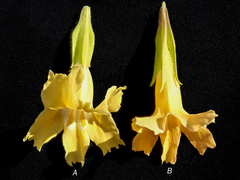 Diplacus longiflorus Southern bush monkeyflower Photo: CC BY, Jason Schock
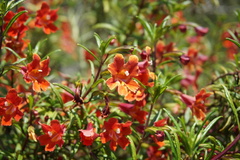 Diplacus × australis Photo: CC0, Jasper Shide
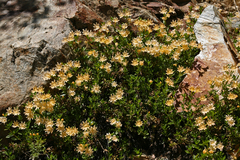 Diplacus grandiflorus Largeflower bush monkeyflower Photo: CC BY, Steve Matson
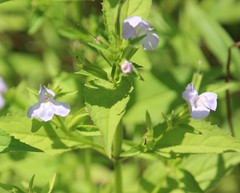 Mimulus alatus Sharp-wing monkey-flower Photo: CC BY, Ashwin Srinivasan
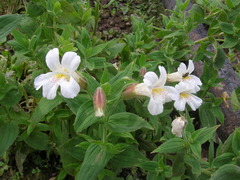 Erythranthe lewisii Lewis' monkeyflower Photo: CC0, rockybajada
 Diplacus linearis Chaparral bush monkeyflower Photo: CC BY, Ken-ichi Ueda
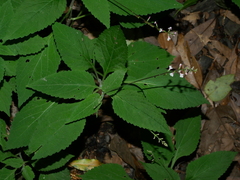 Phryma leptostachya Lopseed Photo: CC BY, Jacy Chen
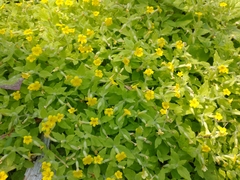 Erythranthe moschata Musk monkey-flower Photo: CC0, Drew Meyer
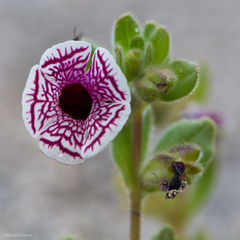 Diplacus pictus Calico monkeyflower Photo: CC BY, Ken-ichi Ueda
 Erythranthe lutea Yellow monkey-flower Photo: CC BY, Nicolás Lavandero
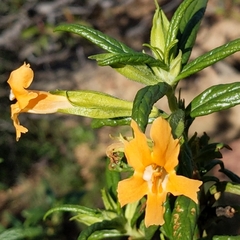 Diplacus calycinus Kaweah River bush monkeyflower Photo: CC0, Vasily Reinkymov
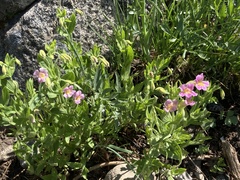 Erythranthe erubescens Blushing Monkeyflower Photo: CC BY, Adam J. Searcy
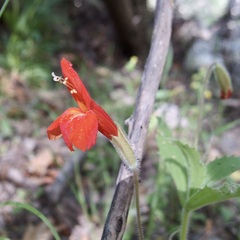 Erythranthe verbenacea Crimson Monkeyflower Photo: CC BY, Sue Carnahan
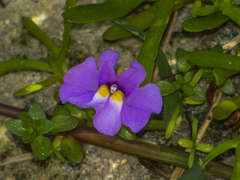 Thyridia repens New Zealand Musk Photo: CC BY, Thomas Nataprawira
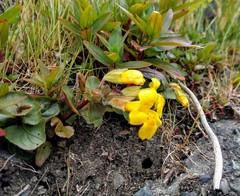 Erythranthe grandis Magnificent seep monkeyflower Photo: CC BY, John Brew
 Erythranthe microphylla Small-leaved monkeyflower Photo: CC BY-SA, J Brew
 Erythranthe glabrata Round-leaved monkeyflower Photo: CC BY-SA, Oscar Alejandro Morales Juárez
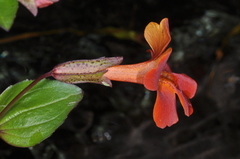 Erythranthe cuprea Photo: CC BY, aacocucci
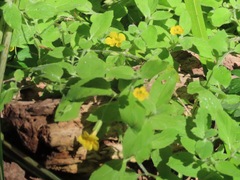 Erythranthe ptilota Musk-flower Photo: CC0, Erin Springinotic
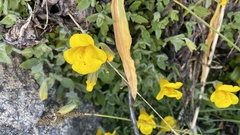 Erythranthe tilingii Tiling's monkeyflower Photo: CC BY-SA, Brendan Black
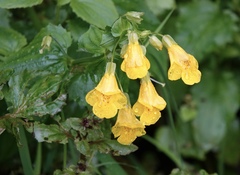 Erythranthe decora Northwestern monkeyflower Photo: CC BY, nmoorhatch
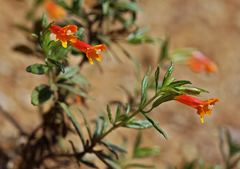 Diplacus parviflorus Island bush monkeyflower Photo: CC BY, Steve Matson
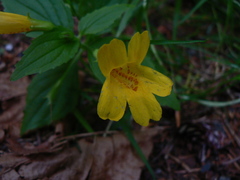 Erythranthe dentata Tooth-leaved monkeyflower Photo: CC BY, Yves Bas
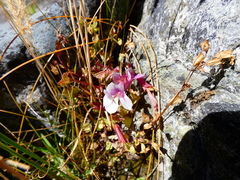 Erythranthe naiandina Photo: CC0, Fabian EGL
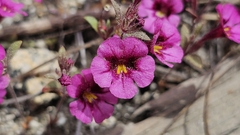 Diplacus bicolor Harlequin monkeyflower Photo: CC BY, Chris Winchell
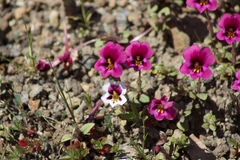 Diplacus kelloggii Kellogg's monkeyflower Photo: CC BY-SA, Arvel Hernandez
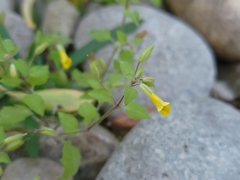 Erythranthe floribunda Purple-stemmed monkeyflower Photo: CC BY, Daniel S.
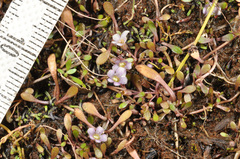 Glossostigma elatinoides Small mud-mat Photo: CC BY, Pieter Pelser
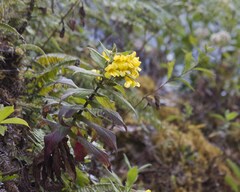 Hemichaena fruticosa Photo: CC0, Dixie Sommers
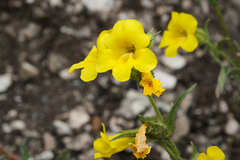 Diplacus brevipes Wide-throat yellow monkey-flower Photo: CC BY, Shawn O'Donnell
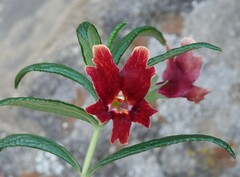 Diplacus rutilus Photo: CC BY, nmoorhatch
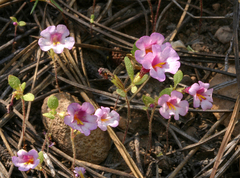 Diplacus torreyi Torrey's monkeyflower Photo: CC BY, Steve Matson
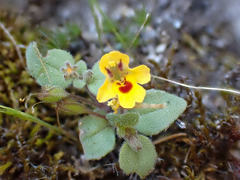 Erythranthe alsinoides Chickweed monkeyflower Photo: CC BY, Trevor Van Loon
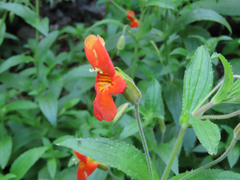 Erythranthe cinnabarina Arizona Big Red Monkeyflower Photo: CC BY, Alina Martin
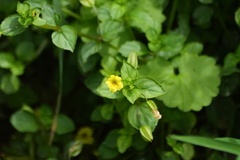 Erythranthe nepalensis Nepalese monkey-flower Photo: CC BY, WATANABE Hitoshi 渡辺仁
 Mimetanthe pilosa False monkeyflower Photo: CC BY, Don Loarie
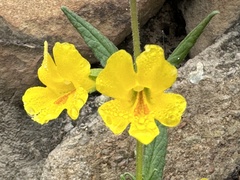 Diplacus clevelandii Cleveland's bush monkeyflower Photo: CC BY, Eric Alan Isaacson
 Diplacus aridus San Diego bush monkeyflower Photo: CC BY, Trevor Van Loon
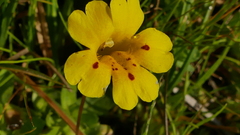 Erythranthe primuloides Primrose monkeyflower Photo: CC0, Rod
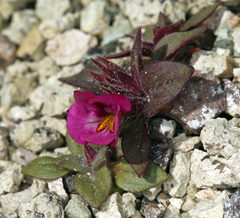 Diplacus bigelovii Bigelow's monkeyflower Photo: CC BY, Steve Matson
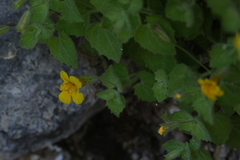 Erythranthe jungermannioides Liverwort Monkey-Flower Photo: CC BY-SA, Walter A Siegmund
Grown: iNaturalist's observations of the species marked captive or cultivated; "not counted" where the species list does not count it. Native ranges: Kew's World Checklist of Vascular Plants (Govaerts et al., CC BY 4.0), file of 4 June 2026. Grown: iNaturalist's observations marked captive or cultivated, counted 17 October 2026 (the species list's count). Habitat climate known: the species page has a habitat climate, read from CHELSA's monthly climate and NASA POWER's daily extremes at its well-placed wild records inside Kew's native range; each page says its own sources and days. Record low: the lowest night in NASA POWER's daily series at the habitat's typical spot, as the species page gives it, held in °C to a tenth and shown in your units; each page says its own years and day read. Counts as the reference built on 19 November 2026 holds them. The CSV holds every result, not only this page's.