Phytolaccaceae
15 species in 3 genera · 13 with a habitat climate · 15 grown, per iNaturalist
Most native to: Colombia 7Peru 7Mexico Northeast 6Venezuela 6Bolivia 5Guatemala 5Mexico Central 5Mexico Gulf 5Mexico Southwest 5Argentina Northeast 4Argentina Northwest 4Brazil Northeast 4
A species counts in every region it is native to. Native ranges: Kew's World Checklist of Vascular Plants (Govaerts et al., CC BY 4.0), file of 4 June 2026.
15 species
Phytolaccaceae
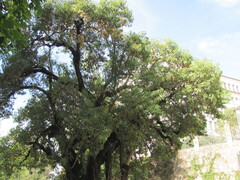 Phytolacca dioica Belhambra Photo: CC BY, zebedeugalinha
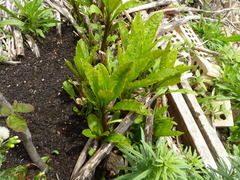 Phytolacca americana American pokeweed Photo: CC0, Ira Gershenhorn
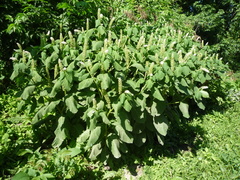 Phytolacca acinosa Indian pokeweed Photo: CC BY, Oleksandr Shynder
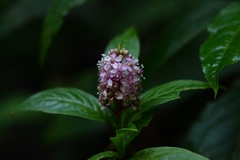 Phytolacca icosandra Tropical pokeweed Photo: CC BY, Neptalí Ramírez Marcial
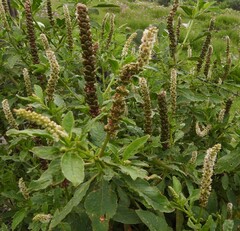 Phytolacca octandra Red inkplant Photo: CC BY-SA, Oscar Alejandro Morales Juárez
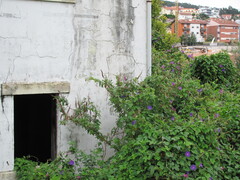 Phytolacca heterotepala Mexican pokeweed Photo: CC BY, zebedeugalinha
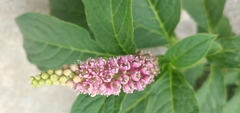 Phytolacca bogotensis Southern pokeweed Photo: CC0, Fede y Vani
 Phytolacca polyandra Chinese Pokeweed Photo: CC BY, Daniel Cahen
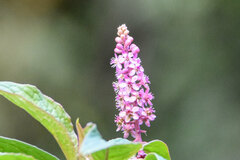 Phytolacca rugosa Photo: CC BY, Jay Pruett
 Phytolacca thyrsiflora Brazilian Pokeweed Photo: CC BY-SA, alessandradalia
 Phytolacca tetramera Photo: CC BY, Anabela Plos
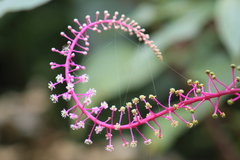 Phytolacca rivinoides Venezuelan pokeweed Photo: CC BY, GERMAN LEONEL SARMIENTO CRUZ
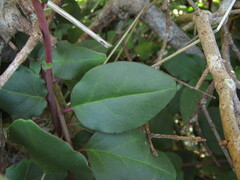 Ercilla spicata Photo: CC BY, Bruno Avilez
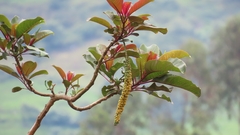 Phytolacca weberbaueri Photo: CC BY, Luis Fer JP
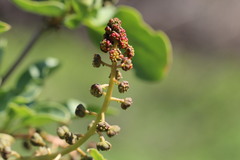 Anisomeria littoralis Photo: CC BY, Cesar Ormazabal
Grown: iNaturalist's observations of the species marked captive or cultivated; "not counted" where the species list does not count it. Native ranges: Kew's World Checklist of Vascular Plants (Govaerts et al., CC BY 4.0), file of 4 June 2026. Grown: iNaturalist's observations marked captive or cultivated, counted 17 October 2026 (the species list's count). Habitat climate known: the species page has a habitat climate, read from CHELSA's monthly climate and NASA POWER's daily extremes at its well-placed wild records inside Kew's native range; each page says its own sources and days. Record low: the lowest night in NASA POWER's daily series at the habitat's typical spot, as the species page gives it, held in °C to a tenth and shown in your units; each page says its own years and day read. Counts as the reference built on 19 November 2026 holds them. The CSV holds every result, not only this page's.