Proteaceae
482 species in 47 genera · 471 with a habitat climate · 471 grown, per iNaturalist, 11 not counted
Most native to: Western Australia 163Cape Provinces 137New South Wales 106Queensland 72Victoria 50South Australia 24Tasmania 23Northern Territory 13KwaZulu-Natal 9Northern Provinces 8Argentina South 6Chile Central 6
A species counts in every region it is native to. Native ranges: Kew's World Checklist of Vascular Plants (Govaerts et al., CC BY 4.0), file of 4 June 2026.
482 species
Proteaceae
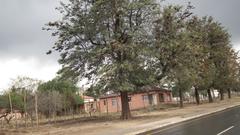 Grevillea robusta Silkoak Photo: CC BY, Shaun Swanepoel
 Protea cynaroides King protea Photo: CC0, jordaan
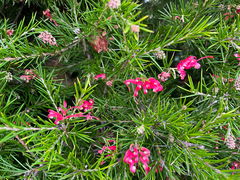 Grevillea rosmarinifolia Rosemary grevillea Photo: CC BY, Thomas Caspari
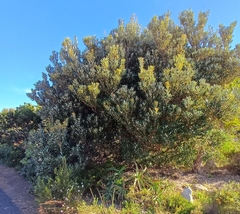 Banksia integrifolia White-honeysuckle Photo: CC0, flamelily
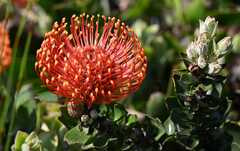 Leucospermum cordifolium Flamespike Photo: CC0, Maurice Hoffmann
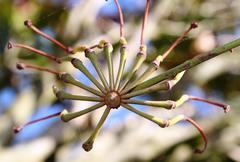 Stenocarpus sinuatus Fire-wheel-tree Photo: CC BY-SA, Tony Rebelo
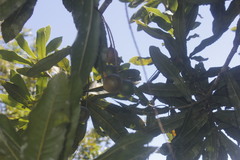 Macadamia integrifolia Macadamia nut Photo: CC BY-SA, Juan Cruzado Cortés
 Grevillea banksii Kahili flower Photo: CC BY-SA, alessandradalia
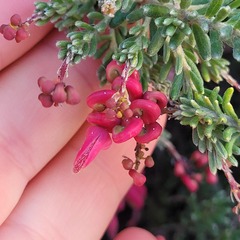 Grevillea lanigera Photo: CC BY-SA, Julia Palmer
 Buckinghamia celsissima Buckinghamia silky-oak Photo: CC BY-SA, Steve Fitzgerald
 Banksia robur Broadleaf banksia Photo: CC BY, Auradyme
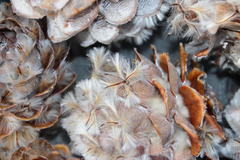 Leucadendron argenteum Silver Tree Photo: CC BY-SA, Tony Rebelo
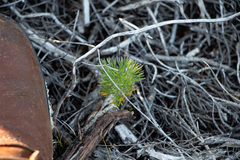 Adenanthos sericeus Coastal woollybush Photo: CC BY-SA, Carmy
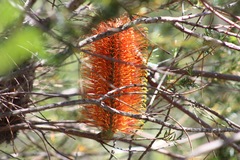 Banksia ericifolia Heath-leaf banksia Photo: CC0, Zoltán Stekkelpak
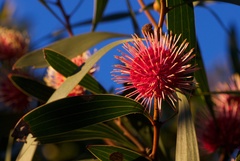 Hakea laurina Cushion hakea Photo: CC BY, Jon Sullivan
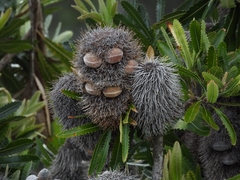 Banksia serrata Photo: CC BY, Carlos Otávio Gussoni
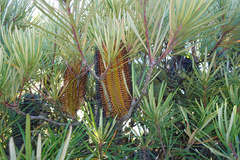 Banksia spinulosa Hairpin banksia Photo: CC BY, Jon Sullivan
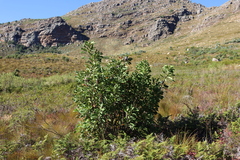 Telopea speciosissima New South Wales waratah Photo: CC BY-SA, Tony Rebelo
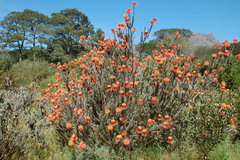 Leucospermum reflexum Rocket pincushion Photo: CC BY-SA, Charles Stirton
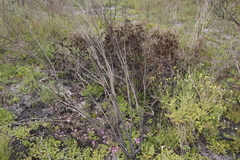 Leucadendron salignum Common Sunshine Conebush Photo: CC BY-SA, Tony Rebelo
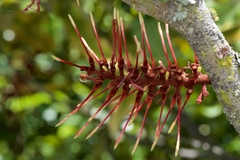 Knightia excelsa New Zealand honeysuckle Photo: CC BY, Jon Sullivan
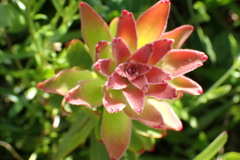 Mimetes cucullatus Common Pagoda Photo: CC0, Di Turner
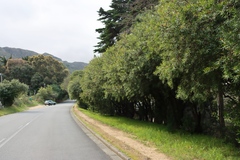 Hakea salicifolia Finger hakea Photo: CC BY-SA, Tony Rebelo
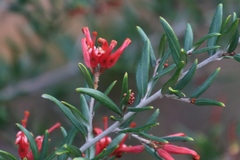 Grevillea juniperina Juniper-leaf grevillea Photo: CC BY-SA, Tony Rebelo
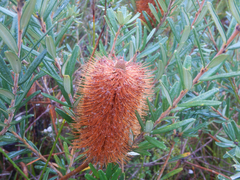 Banksia marginata Silver banksia Photo: CC BY, Bryce Watts-Parker
Embothrium coccineum Chilean firebush Photo: CC BY, John Barkla
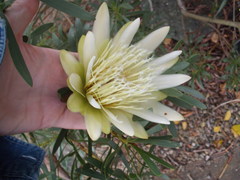 Protea repens Sugarbush Photo: CC BY, Stephen Thorpe
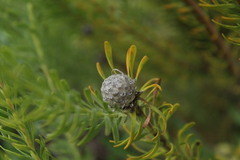 Leucadendron galpinii Hairless Conebush Photo: CC BY-SA, Corne Brink
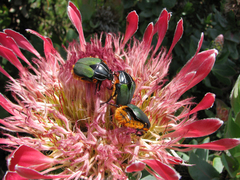 Protea eximia Broad-leaved Sugarbush Photo: CC BY, Todd Boland
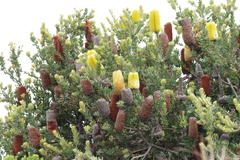 Banksia praemorsa Photo: CC BY, Eric Knight
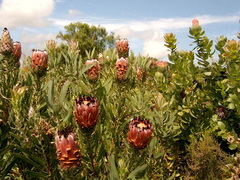 Protea neriifolia Narrow-leaved Sugarbush Photo: CC BY, YvettevWijk
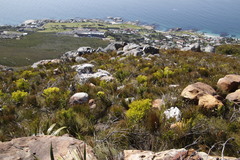 Hakea drupacea Sweet hakea Photo: CC BY-SA, Tony Rebelo
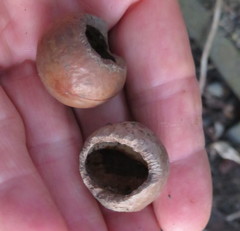 Macadamia tetraphylla Macadamia nut Photo: CC0, Jenny Christianson
 Leucospermum conocarpodendron Tree Pincushion Photo: CC BY-SA, Tony Rebelo
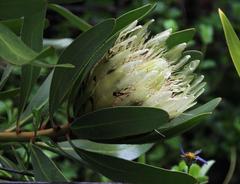 Protea obtusifolia Limestone Sugarbush Photo: CC BY-SA, Tony Rebelo
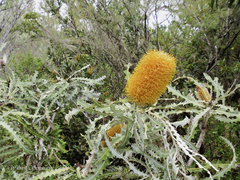 Banksia ashbyi Ashby's banksia Photo: CC0, wilmotsenaratne
 Serruria florida Blushing bride Photo: CC BY, Michel Langeveld
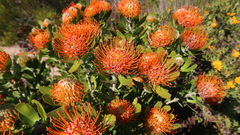 Leucospermum praecox Mossel Bay Pincushion Photo: CC0, Di Turner
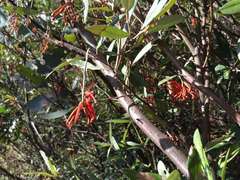 Grevillea victoriae Royal grevillea Photo: CC BY, Reilly
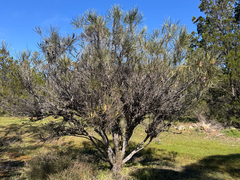 Hakea francisiana Emu Tree Photo: CC0, Joshua S. Martin
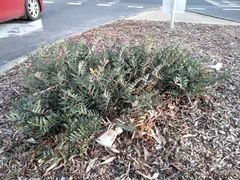 Banksia blechnifolia Photo: CC BY, plantlookymagee
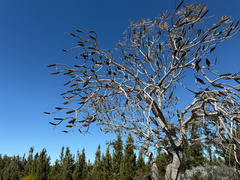 Banksia prionotes Acorn banksia Photo: CC BY, smathichong
- no open photograph on file Grevillea edelfeltii
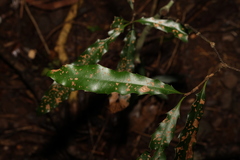 Macadamia ternifolia Australian-nut Photo: CC BY-SA, Greg Tasney
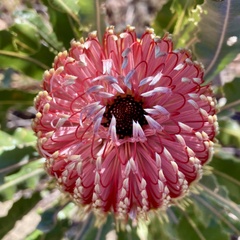 Banksia menziesii Menzie's banksia Photo: CC BY, pimelea
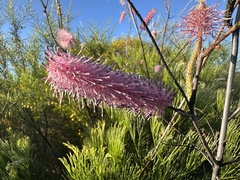 Grevillea petrophiloides Pink Pokers Photo: CC BY, Geoff Shuetrim
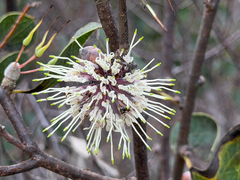 Hakea petiolaris Sea urchin hakea Photo: CC BY, smathichong
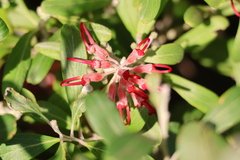 Grevillea olivacea Olive Grevillea Photo: CC0, Astrid Osborne
Grown: iNaturalist's observations of the species marked captive or cultivated; "not counted" where the species list does not count it. Native ranges: Kew's World Checklist of Vascular Plants (Govaerts et al., CC BY 4.0), file of 4 June 2026. Grown: iNaturalist's observations marked captive or cultivated, counted 17 October 2026 (the species list's count). Habitat climate known: the species page has a habitat climate, read from CHELSA's monthly climate and NASA POWER's daily extremes at its well-placed wild records inside Kew's native range; each page says its own sources and days. Record low: the lowest night in NASA POWER's daily series at the habitat's typical spot, as the species page gives it, held in °C to a tenth and shown in your units; each page says its own years and day read. Counts as the reference built on 19 November 2026 holds them. The CSV holds every result, not only this page's.