Selaginellaceae
72 species in 1 genus · 61 with a habitat climate · 64 grown, per iNaturalist, 8 not counted
Most native to: China South-Central 16China Southeast 16Myanmar 13Vietnam 13Colombia 12Mexico Northeast 11Venezuela 11Costa Rica 10East Himalaya 10Assam 9Cambodia 9Ecuador 9
A species counts in every region it is native to. Native ranges: Kew's World Checklist of Vascular Plants (Govaerts et al., CC BY 4.0), file of 4 June 2026.
72 species
Selaginellaceae
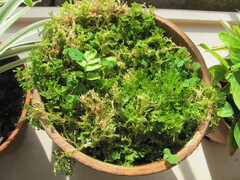 Selaginella kraussiana Krauss's Clubmoss Photo: CC BY, zebedeugalinha
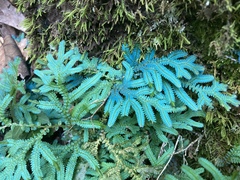 Selaginella uncinata Blue spikemoss Photo: CC0, Heather DeGaetano
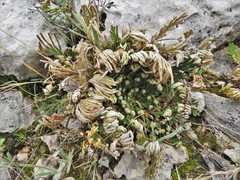 Selaginella lepidophylla Resurrection-plant Photo: CC BY, Annika Lindqvist
 Selaginella willdenowii Willdenow's spikemoss Photo: CC BY, avocat
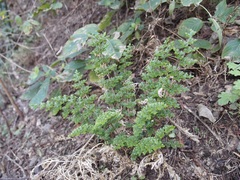 Selaginella pallescens Pale Spikemoss Photo: CC BY, Sue Carnahan
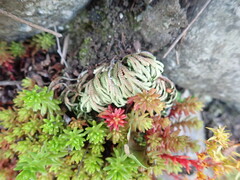 Selaginella tamariscina Little-club-moss Photo: CC BY, 村山史世 (Fumiyo MURAYAMA)
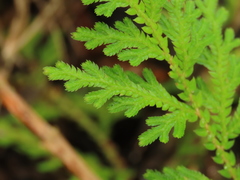 Selaginella delicatula Delicate spikemoss Photo: CC BY, chiuluan
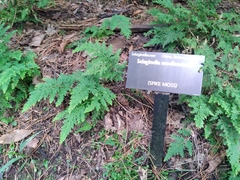 Selaginella moellendorffii Gemmiferous Spikemoss Photo: CC BY, Leon Perrie
 Selaginella erythropus Photo: Public domain, Daderot
 Selaginella martensii Photo: CC BY-SA, Valérie75
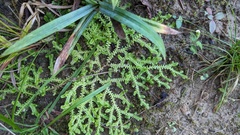 Selaginella apoda Meadow spikemoss Photo: CC BY, Eric Schmidt
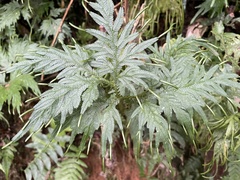 Selaginella plana Asian spikemoss Photo: CC BY, Cricket Raspet
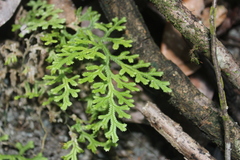 Selaginella doederleinii Greater selaginella Photo: CC BY, Ricard Busquets Reverte
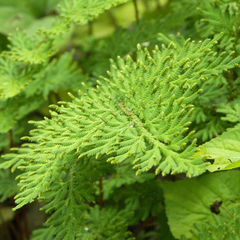 Selaginella braunii Braun's spikemoss Photo: CC BY, M. Whitson
 Selaginella picta Photo: CC BY-SA, Franz Xaver
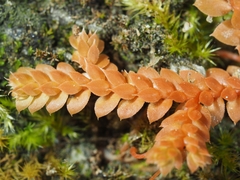 Selaginella denticulata Toothed-leaved Clubmoss Photo: CC BY, Mario Bassini
 Selaginella umbrosa Spikemoss Photo: CC BY-SA, Valérie75
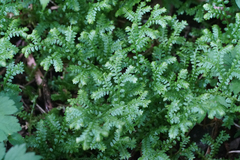 Selaginella remotifolia Loose-leaf selaginella Photo: CC BY, WATANABE Hitoshi 渡辺仁
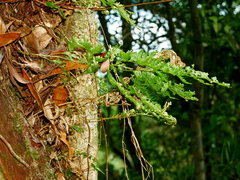 Selaginella involvens Tree spikemoss Photo: CC BY, Jacy Chen
 Selaginella bigelovii Bushy spikemoss Photo: CC BY-SA, Brendan Black
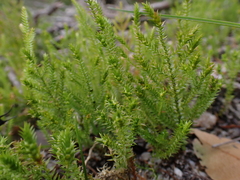 Selaginella uliginosa Swamp Selaginella Photo: CC BY, Todd Huang
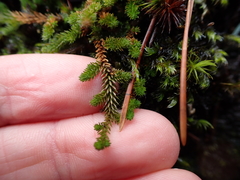 Selaginella wallacei Wallace's spikemoss Photo: CC0, Ellyne Geurts
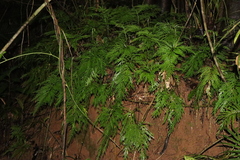 Selaginella longipinna Electric Fern Photo: CC BY, Thomas Mesaglio
 Selaginella sanguinolenta Photo: CC BY, Oleg Kosterin
- no open photograph on file Selaginella sericea
 Selaginella repanda Photo: CC0, 葉子
- no open photograph on file Selaginella amoena
 Selaginella grandis Photo: CC0, Daderot
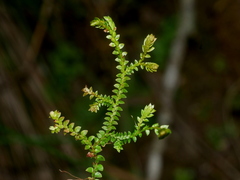 Selaginella helvetica Dwarf spikemoss Photo: CC BY, Jacy Chen
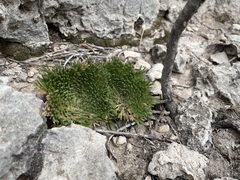 Selaginella pilifera Hairy Resurrection Plant Photo: CC BY, Martin Purdy
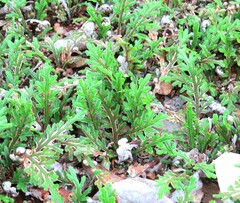 Selaginella convoluta Photo: CC BY-SA, Gustavo Sandres
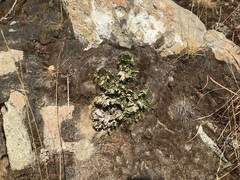 Selaginella pulvinata Photo: CC BY, 王天
 Selaginella vogelii Photo: CC BY-SA, Bachelot Pierre J-P
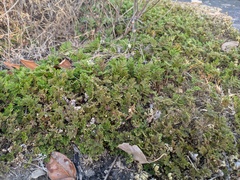 Selaginella bryopteris Photo: CC BY, Shikha Sreenivas
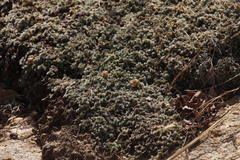 Selaginella dregei Photo: CC BY-SA, Tony Rebelo
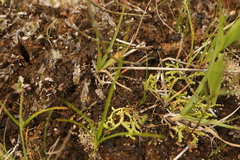 Selaginella eclipes Hidden spikemoss Photo: CC BY-SA, Henry "Nick" Robertson
 Selaginella haematodes Photo: CC BY-SA, Jerzy Opioła
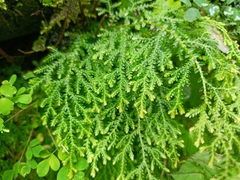 Selaginella labordei Photo: CC BY, Yinling Chen
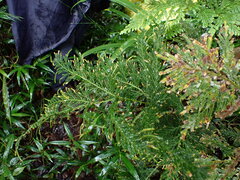 Selaginella lyallii Photo: CC BY, Louis Aureglia
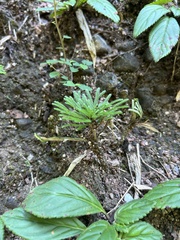 Selaginella orientalichinensis Photo: CC BY, eustreptospondylus
 Selaginella peruviana Peruvian spikemoss Photo: CC0, Evelyn Lazzaretti 🏳️⚧️
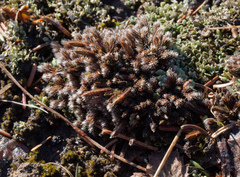 Selaginella rupestris Rock spikemoss Photo: CC BY-SA, bobkennedy
- no open photograph on file Selaginella velutina
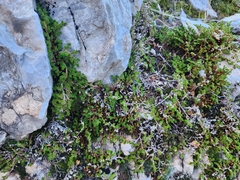 Selaginella arizonica Arizona spikemoss Photo: CC BY, Kaden Slone
 Selaginella biformis Photo: Public domain, Chhe
 Selaginella douglasii Douglas' spikemoss Photo: CC BY, Hilary Rose Dawson
 Selaginella elmeri Photo: Public domain, Daderot
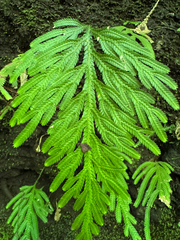 Selaginella flabellata Fan spikemoss Photo: CC BY, Matteo Bellucci
Grown: iNaturalist's observations of the species marked captive or cultivated; "not counted" where the species list does not count it. Native ranges: Kew's World Checklist of Vascular Plants (Govaerts et al., CC BY 4.0), file of 4 June 2026. Grown: iNaturalist's observations marked captive or cultivated, counted 17 October 2026 (the species list's count). Habitat climate known: the species page has a habitat climate, read from CHELSA's monthly climate and NASA POWER's daily extremes at its well-placed wild records inside Kew's native range; each page says its own sources and days. Record low: the lowest night in NASA POWER's daily series at the habitat's typical spot, as the species page gives it, held in °C to a tenth and shown in your units; each page says its own years and day read. Counts as the reference built on 19 November 2026 holds them. The CSV holds every result, not only this page's.