Typhaceae
16 species in 2 genera · 16 with a habitat climate · 16 grown, per iNaturalist
Most native to: Manchuria 11Inner Mongolia 10Albania 9Bulgaria 9China South-Central 9France 9Greece 9Iran 9Italy 9Japan 9Kazakhstan 9Mongolia 9
A species counts in every region it is native to. Native ranges: Kew's World Checklist of Vascular Plants (Govaerts et al., CC BY 4.0), file of 4 June 2026.
16 species
Typhaceae
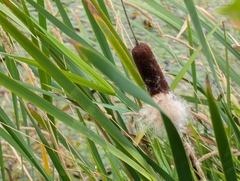 Typha latifolia Bulrush Photo: CC0, Jacob Moyer
Typha orientalis Bullrush Photo: CC BY-SA, Colin Meurk
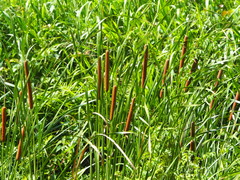 Typha angustifolia Lesser bulrush Photo: CC0, 葉子
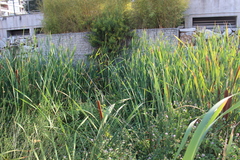 Typha domingensis Southern cattail Photo: CC BY-SA, Fabien Piednoir
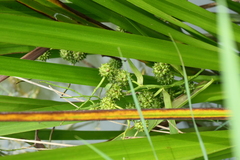 Sparganium erectum Branched bur-reed Photo: CC0, Felix Puff
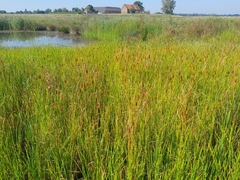 Typha laxmannii Laxman’s bulrush Photo: CC BY, Andre Hosper
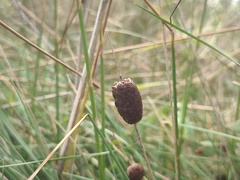 Typha minima Dwarf bulrush Photo: CC BY, arthur_haendler
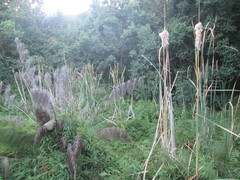 Typha capensis Cape Bulrush Photo: CC BY, Nolan Exe
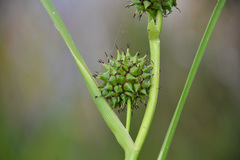 Sparganium eurycarpum Giant burreed Photo: CC0, Thompson Hyggen
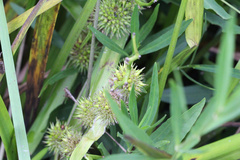 Sparganium americanum American burreed Photo: CC BY, Samuel A Schmid, PhD, PWS
 Sparganium fallax Twisted bur-reed Photo: CC BY, chiuluan
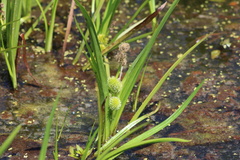 Sparganium emersum Unbranched bur-reed Photo: CC BY, Justin Flint
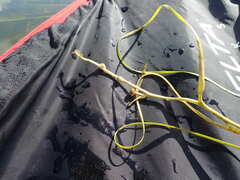 Sparganium angustifolium Floating bur-reed Photo: CC BY, Suzanne Carriere
- no open photograph on file Sparganium stoloniferum Simple-stem bur-reed
 Typha shuttleworthii Photo: CC BY, Patrick Hacker
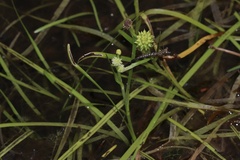 Sparganium natans Least bur-reed Photo: CC BY, Dustin Snider
Grown: iNaturalist's observations of the species marked captive or cultivated; "not counted" where the species list does not count it. Native ranges: Kew's World Checklist of Vascular Plants (Govaerts et al., CC BY 4.0), file of 4 June 2026. Grown: iNaturalist's observations marked captive or cultivated, counted 17 October 2026 (the species list's count). Habitat climate known: the species page has a habitat climate, read from CHELSA's monthly climate and NASA POWER's daily extremes at its well-placed wild records inside Kew's native range; each page says its own sources and days. Record low: the lowest night in NASA POWER's daily series at the habitat's typical spot, as the species page gives it, held in °C to a tenth and shown in your units; each page says its own years and day read. Counts as the reference built on 19 November 2026 holds them. The CSV holds every result, not only this page's.