Agrimonia
10 species in the reference · family Rosaceae · 9 with a habitat climate · 10 grown, per iNaturalist
About the genus
Agrimonia (from the Greek ἀργεμώνη), commonly known as agrimony, is a genus of 12–15 species of perennial herbaceous flowering plants in the family Rosaceae, native to the temperate regions of the Northern Hemisphere, with one species also in Africa. The species grow to between 0.5–2 m (1.6–6.6 ft) tall, with interrupted pinnate leaves, and tiny yellow flowers borne on a single (usually unbranched) spike.
Quoted from Wikipedia, "Agrimonia", its opening paragraph, revision 1368818563, read 2026-11-08, CC BY-SA 4.0.
Where Agrimonia is native
| Connecticut | 4 |
|---|---|
| Delaware | 4 |
| Illinois | 4 |
| Iowa | 4 |
| Kentucky | 4 |
| Maryland | 4 |
| Massachusetts | 4 |
| Michigan | 4 |
| New Jersey | 4 |
| New York | 4 |
| Ohio | 4 |
| Pennsylvania | 4 |
Species native to each region. A species counts in every region it is native to. Native ranges: Kew's World Checklist of Vascular Plants (Govaerts et al., CC BY 4.0), file of 4 June 2026.
10 species
Agrimonia
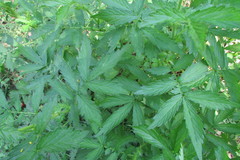 Agrimonia pilosa Hairy agrimony Photo: CC0, Татьяна Горбушина
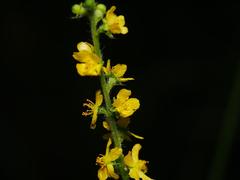 Agrimonia eupatoria Agrimony Photo: CC BY, Alexis Tinker-Tsavalas
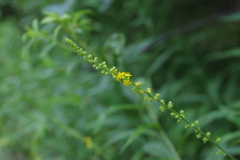 Agrimonia parviflora Harvest-lice Photo: CC BY, Michael Pirrello
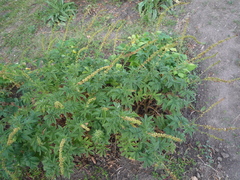 Agrimonia procera Fragrant agrimony Photo: CC BY, Oleksandr Shynder
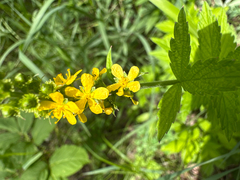 Agrimonia striata Roadside agrimony Photo: CC BY, Caleb Catto
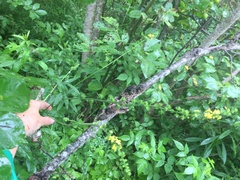 Agrimonia gryposepala Hooked agrimony Photo: CC BY, Mary E. Macaulay, P.Eng.
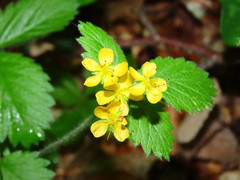 Agrimonia agrimonoides Photo: CC BY-SA, Emanuele Santarelli
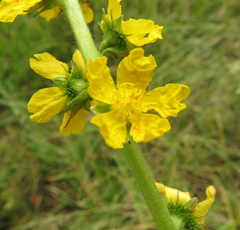 Agrimonia bracteata Agrimonie Photo: CC0, Peter Warren
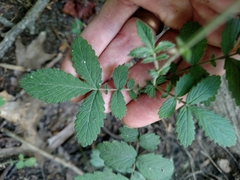 Agrimonia pubescens Downy agrimony Photo: CC0, Daniel Barrows
 Agrimonia repens Creeping agrimony Photo: CC BY-SA, Krzysztof Ziarnek, Kenraiz
Grown: iNaturalist's observations of the species marked captive or cultivated; "not counted" where the species list does not count it. Native ranges: Kew's World Checklist of Vascular Plants (Govaerts et al., CC BY 4.0), file of 4 June 2026. Grown: iNaturalist's observations marked captive or cultivated, counted 17 October 2026 (the species list's count). Habitat climate known: the species page has a habitat climate, read from CHELSA's monthly climate and NASA POWER's daily extremes at its well-placed wild records inside Kew's native range; each page says its own sources and days. Record low: the lowest night in NASA POWER's daily series at the habitat's typical spot, as the species page gives it, held in °C to a tenth and shown in your units; each page says its own years and day read. Counts as the reference built on 19 November 2026 holds them. The CSV holds every result, not only this page's.