Antirrhinum
14 species in the reference · family Plantaginaceae · 14 with a habitat climate · 13 grown, per iNaturalist, 1 not counted
About the genus
Antirrhinum is a genus of plants in the Plantaginaceae family, commonly known as dragon flowers or snapdragons because of the flowers' fancied resemblance to the face of a dragon that opens and closes its mouth when laterally squeezed. They are also sometimes called toadflax or dog flower. They are native to rocky areas of Europe, the United States, Canada, and North Africa. Antirrhinum species are widely used as ornamental plants in borders and as cut flowers.
Quoted from Wikipedia, "Antirrhinum", its opening paragraph, revision 1382111878, read 2026-11-08, CC BY-SA 4.0.
Where Antirrhinum is native
| Spain | 13 |
|---|---|
| Morocco | 4 |
| Portugal | 4 |
| France | 3 |
| Italy | 2 |
| Sicilia | 2 |
| Algeria | 1 |
| Lebanon-Syria | 1 |
| Libya | 1 |
| Palestine | 1 |
| Tunisia | 1 |
Species native to each region. A species counts in every region it is native to. Native ranges: Kew's World Checklist of Vascular Plants (Govaerts et al., CC BY 4.0), file of 4 June 2026.
14 species
Antirrhinum
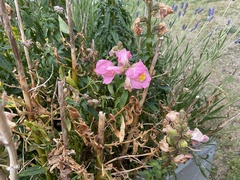 Antirrhinum majus Garden snapdragon Photo: CC0, nenp_cvcteam
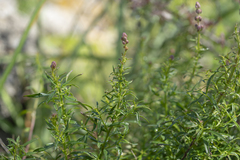 Antirrhinum tortuosum Greater snapdragon Photo: CC BY, Eleftherios Katsillis
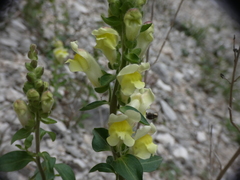 Antirrhinum latifolium Large Snapdragon Photo: CC BY, Yves Bas
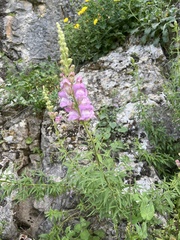 Antirrhinum australe Photo: CC0, Chris Wyse
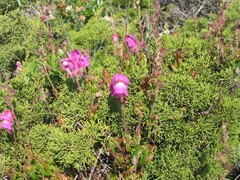 Antirrhinum cirrhigerum Photo: CC BY, zebedeugalinha
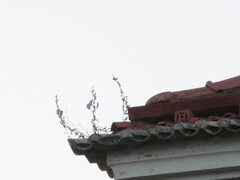 Antirrhinum linkianum Photo: CC BY, zebedeugalinha
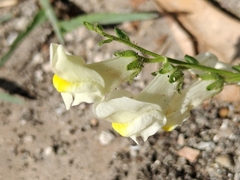 Antirrhinum siculum Sicilian Snapdragon Photo: CC BY, Rafael Medina
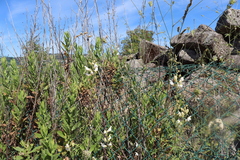 Antirrhinum graniticum Photo: CC BY, zebedeugalinha
 Antirrhinum barrelieri Photo: CC0, Dominique
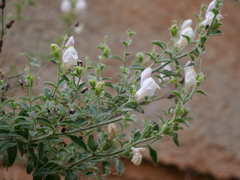 Antirrhinum hispanicum Photo: CC BY, Andreas Taeger
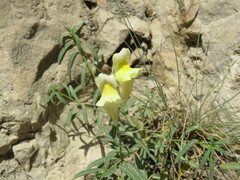 Antirrhinum braun-blanquetii Photo: CC BY, Óscar Sampedro
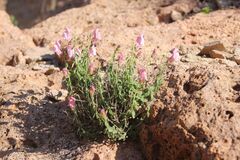 Antirrhinum charidemi Photo: CC BY, Olivier Argagnon
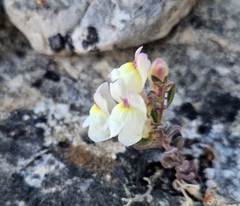 Antirrhinum pulverulentum Photo: CC BY, Jens-Christian Svenning
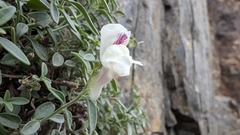 Antirrhinum sempervirens Photo: CC BY, Joan Simon
Grown: iNaturalist's observations of the species marked captive or cultivated; "not counted" where the species list does not count it. Native ranges: Kew's World Checklist of Vascular Plants (Govaerts et al., CC BY 4.0), file of 4 June 2026. Grown: iNaturalist's observations marked captive or cultivated, counted 17 October 2026 (the species list's count). Habitat climate known: the species page has a habitat climate, read from CHELSA's monthly climate and NASA POWER's daily extremes at its well-placed wild records inside Kew's native range; each page says its own sources and days. Record low: the lowest night in NASA POWER's daily series at the habitat's typical spot, as the species page gives it, held in °C to a tenth and shown in your units; each page says its own years and day read. Counts as the reference built on 19 November 2026 holds them. The CSV holds every result, not only this page's.