Arbutus
8 species in the reference · family Ericaceae · 7 with a habitat climate · 8 grown, per iNaturalist
About the genus
Arbutus is a genus of 12 accepted species of flowering plants in the family Ericaceae, native to temperate regions of the Mediterranean, western Europe, the Canary Islands and North America, and commonly called madrones, madronas, or strawberry trees. The name Arbutus was taken by taxonomists from Latin, where it referred to the species now designated Arbutus unedo.
Quoted from Wikipedia, "Arbutus", its opening paragraph, revision 1368066124, read 2026-11-08, CC BY-SA 4.0.
Where Arbutus is native
| Mexico Northwest | 4 |
|---|---|
| Cyprus | 3 |
| Mexico Central | 3 |
| Mexico Northeast | 3 |
| Mexico Southwest | 3 |
| Turkey | 3 |
| Albania | 2 |
| Bulgaria | 2 |
| East Aegean Is. | 2 |
| Greece | 2 |
| Kriti | 2 |
| Lebanon-Syria | 2 |
Species native to each region. A species counts in every region it is native to. Native ranges: Kew's World Checklist of Vascular Plants (Govaerts et al., CC BY 4.0), file of 4 June 2026.
8 species
Arbutus
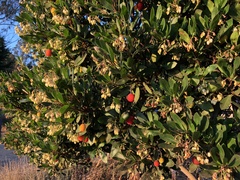 Arbutus unedo Strawberry tree Photo: CC0, Alexie
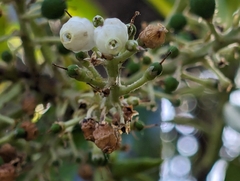 Arbutus menziesii Pacific madrone Photo: CC BY, Zachary M.C.
 Arbutus × andrachnoides Hybrid strawberry-tree Photo: CC BY, Eleftherios Katsillis
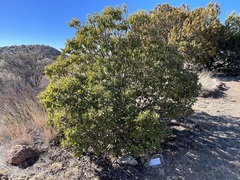 Arbutus xalapensis Texas madrone Photo: CC BY-SA, lejones417
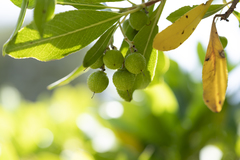 Arbutus andrachne Greek strawberry tree Photo: CC BY, Eleftherios Katsillis
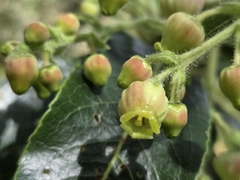 Arbutus canariensis Canary Islands Strawberry tree Photo: CC BY, Bellsprout
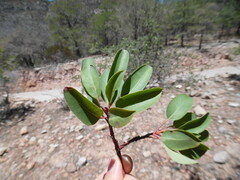 Arbutus arizonica Arizona madrone Photo: CC BY, Rodolfo Maximiliano Gutiérrez-Sánchez
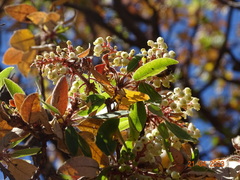 Arbutus tessellata Photo: CC BY, Abraham Sánchez Romero
Grown: iNaturalist's observations of the species marked captive or cultivated; "not counted" where the species list does not count it. Native ranges: Kew's World Checklist of Vascular Plants (Govaerts et al., CC BY 4.0), file of 4 June 2026. Grown: iNaturalist's observations marked captive or cultivated, counted 17 October 2026 (the species list's count). Habitat climate known: the species page has a habitat climate, read from CHELSA's monthly climate and NASA POWER's daily extremes at its well-placed wild records inside Kew's native range; each page says its own sources and days. Record low: the lowest night in NASA POWER's daily series at the habitat's typical spot, as the species page gives it, held in °C to a tenth and shown in your units; each page says its own years and day read. Counts as the reference built on 19 November 2026 holds them. The CSV holds every result, not only this page's.