Atropa
3 species in the reference · family Solanaceae · 1 with a habitat climate · 3 grown, per iNaturalist
About the genus
Atropa is a genus of flowering plants in the nightshade family, Solanaceae: tall, calcicole, herbaceous perennials (rhizomatous hemicryptophytes), bearing large leaves and glossy berries particularly dangerous to children, due to their combination of an attractive, cherry-like appearance with a high toxicity. Atropa species favour temperate climates and alkaline soils, often growing in light shade in woodland environments associated with limestone hills and mountains. Their seeds can remain viable in the soil for long periods, germinating when the soil of sites in which plants once grew (but from which plants have long been absent) is disturbed by human activity or by natural causes, e.g. the windthrow of trees (a property shared by the seeds of other Solanaceae in tribe Hyoscyameae e.g. those of Hyoscyamus spp., the henbanes). The best-known member of the genus Atropa is deadly nightshade (A. belladonna) – the poisonous plant par excellence in the minds of many. More on Wikipedia
Quoted from Wikipedia, "Atropa", its opening paragraph, revision 1377604886, read 2026-11-08, CC BY-SA 4.0.
Where Atropa is native
| Iran | 2 |
|---|---|
| Morocco | 2 |
| Spain | 2 |
| Afghanistan | 1 |
| Albania | 1 |
| Algeria | 1 |
| Austria | 1 |
| Belgium | 1 |
| Bulgaria | 1 |
| Corse | 1 |
| Czechoslovakia | 1 |
| France | 1 |
Species native to each region. A species counts in every region it is native to. Native ranges: Kew's World Checklist of Vascular Plants (Govaerts et al., CC BY 4.0), file of 4 June 2026.
3 species
Atropa
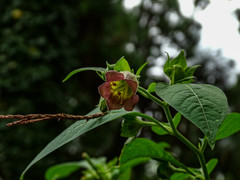 Atropa bella-donna Deadly Nightshade Photo: CC BY, Eleftherios Katsillis
- no open photograph on file Atropa baetica Andalusian Belladonna
- no open photograph on file Atropa acuminata Indian belladonna
Grown: iNaturalist's observations of the species marked captive or cultivated; "not counted" where the species list does not count it. Native ranges: Kew's World Checklist of Vascular Plants (Govaerts et al., CC BY 4.0), file of 4 June 2026. Grown: iNaturalist's observations marked captive or cultivated, counted 17 October 2026 (the species list's count). Habitat climate known: the species page has a habitat climate, read from CHELSA's monthly climate and NASA POWER's daily extremes at its well-placed wild records inside Kew's native range; each page says its own sources and days. Record low: the lowest night in NASA POWER's daily series at the habitat's typical spot, as the species page gives it, held in °C to a tenth and shown in your units; each page says its own years and day read. Counts as the reference built on 19 November 2026 holds them. The CSV holds every result, not only this page's.