Berberis
142 species in the reference · family Berberidaceae · 76 with a habitat climate · 95 grown, per iNaturalist, 47 not counted
About the genus
Berberis, commonly known as barberry, is a large genus of deciduous and evergreen shrubs from 1–5 m (3+1⁄2–16+1⁄2 ft) tall, found throughout temperate and subtropical regions of the world (apart from Australia). Species diversity is greatest in South America and Asia, but native species also appear in Europe, Africa, and North America.
Quoted from Wikipedia, "Berberis", its opening paragraph, revision 1366901953, read 2026-11-08, CC BY-SA 4.0.
Where Berberis is native
| China South-Central | 54 |
|---|---|
| Tibet | 25 |
| China North-Central | 21 |
| Nepal | 18 |
| East Himalaya | 17 |
| China Southeast | 13 |
| Myanmar | 13 |
| Chile Central | 12 |
| Chile South | 11 |
| West Himalaya | 11 |
| California | 10 |
| Argentina South | 9 |
Species native to each region. A species counts in every region it is native to. Native ranges: Kew's World Checklist of Vascular Plants (Govaerts et al., CC BY 4.0), file of 4 June 2026.
142 species
Berberis
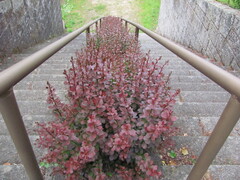 Berberis thunbergii Japanese barberry Photo: CC BY, zebedeugalinha
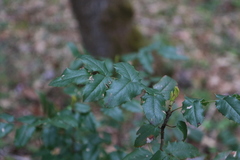 Berberis aquifolium Oregon-grape Photo: CC0, Sean Haight
 Berberis bealei Beale's barberry Photo: CC BY, Michael J. Papay
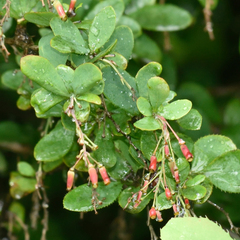 Berberis vulgaris Barberry Photo: CC BY, Fyodor Pudovikov
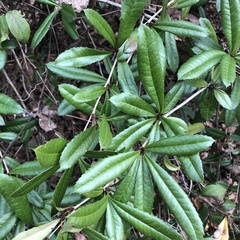 Berberis julianae Chinese barberry Photo: CC BY, Andrew Conboy
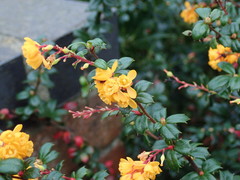 Berberis darwinii Darwin's barberry Photo: CC BY, Daniel Cahen
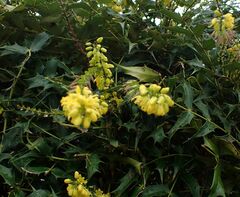 Berberis japonica Japanese ashberry Photo: CC BY, Jon Mortin
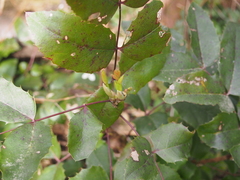 Berberis repens Creeping mahonia Photo: CC0, anthocyana
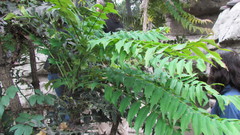 Berberis oiwakensis Photo: CC BY-SA, Martín Sánchez Vilchis
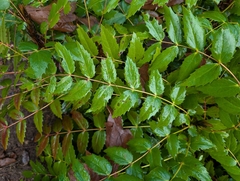 Berberis nervosa Cascade barberry Photo: CC BY, criminy
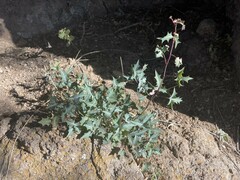 Berberis trifoliolata Photo: CC BY-SA, lejones417
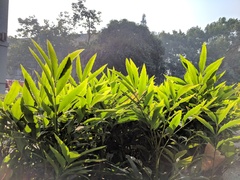 Berberis fortunei Photo: CC BY, Jiao Sun (孙娇)
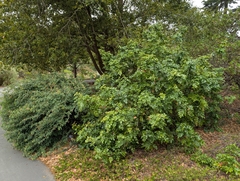 Berberis pinnata Photo: CC BY, Erik Eldridge
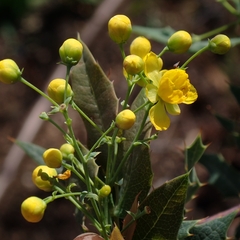 Berberis nevinii Photo: CC0, John Cowles
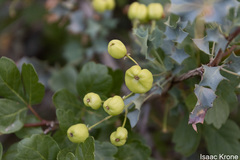 Berberis fremontii Photo: CC BY, Isaac Krone
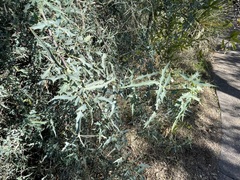 Berberis haematocarpa Photo: CC BY-SA, lejones417
 Berberis amurensis Amur barberry Photo: CC BY, Repina Tatyana
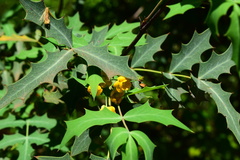 Berberis swaseyi Texas barberry Photo: CC BY, Zoe McCormick
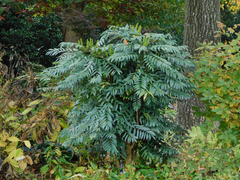 Berberis eurybracteata Photo: CC BY, Michael J. Papay
- no open photograph on file Berberis ganpinensis
 Berberis napaulensis Photo: CC BY, desertnaturalist
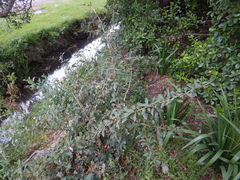 Berberis glaucocarpa Great barberry Photo: CC BY, Jon Sullivan
 Berberis koreana Korean barberry Photo: CC BY-SA, Jerzy Opioła
 Berberis verruculosa Warted Barberry Photo: CC BY-SA, Kurt Stüber
 Berberis candidula Pale-leaf barberry Photo: CC0, Stephen James McWilliam
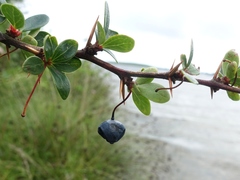 Berberis microphylla Box-leaved barberry Photo: CC BY, Jamie O'Neill
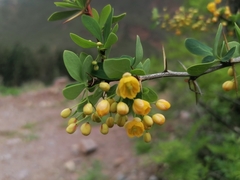 Berberis boliviana Photo: CC BY, Alexis Williams
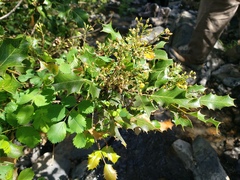 Berberis dictyota Photo: CC BY, Amy
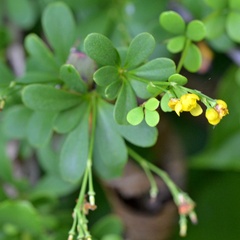 Berberis wilsoniae Mrs Wilson's barberry Photo: CC BY, Petr Harant
 Berberis gagnepainii Gagnepain's barberry Photo: CC0, Stephen James McWilliam
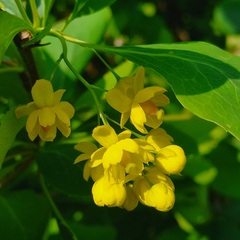 Berberis heteropoda Photo: CC BY, Alexander Dubynin
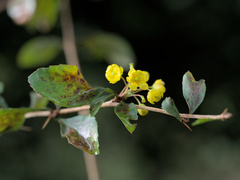 Berberis maderensis Photo: CC BY, Daniel Cahen
 Berberis aggregata Clustered barberry Photo: CC BY-SA, Denis.prévôt
 Berberis wilcoxii Wilcox's barberry Photo: CC BY, CK2AZ
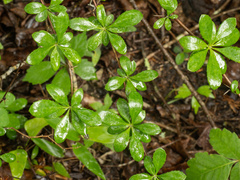 Berberis canadensis American barberry Photo: CC BY-SA, Turner Brockman
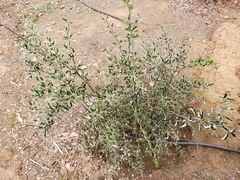 Berberis chilensis Photo: CC BY, Cesar Ormazabal
 Berberis pruinosa Yunnan Barberry Photo: Public domain, Daderot
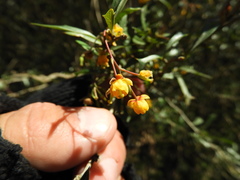 Berberis ruscifolia Photo: CC BY, Pablo H Capovilla
 Berberis fendleri Colorado barberry Photo: CC BY, avocat
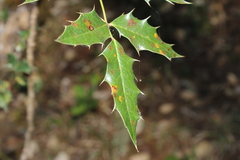 Berberis moranensis Photo: CC BY, Rodolfo Maximiliano Gutiérrez-Sánchez
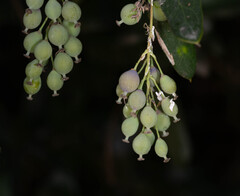 Berberis laurina Photo: CC BY-SA, Guilherme Cameis Freda
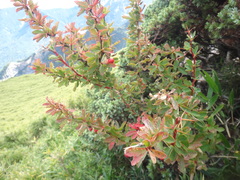 Berberis morrisonensis Yushan barberry Photo: CC BY, 呂一起(Lyu yi-chi)
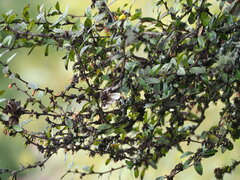 Berberis kawakamii Photo: CC0, 葉子
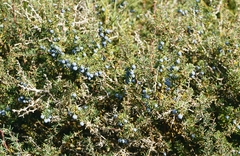 Berberis empetrifolia Photo: CC BY, F. Bemmerlein-Lux
 Berberis gracilipes Photo: CC BY-SA, peganum from Small Dole, England
 Berberis ilicifolia Photo: CC BY, María Regina Silva
 Berberis integerrima Photo: CC BY, موسی مزینانیان Mousa Mazinanian
 Berberis virgetorum Photo: CC BY-SA, Plant Image Library
Grown: iNaturalist's observations of the species marked captive or cultivated; "not counted" where the species list does not count it. Native ranges: Kew's World Checklist of Vascular Plants (Govaerts et al., CC BY 4.0), file of 4 June 2026. Grown: iNaturalist's observations marked captive or cultivated, counted 17 October 2026 (the species list's count). Habitat climate known: the species page has a habitat climate, read from CHELSA's monthly climate and NASA POWER's daily extremes at its well-placed wild records inside Kew's native range; each page says its own sources and days. Record low: the lowest night in NASA POWER's daily series at the habitat's typical spot, as the species page gives it, held in °C to a tenth and shown in your units; each page says its own years and day read. Counts as the reference built on 19 November 2026 holds them. The CSV holds every result, not only this page's.