Blighia
2 species in the reference · family Sapindaceae · 2 with a habitat climate · 2 grown, per iNaturalist
About the genus
Blighia is a genus of three species of flowering plants in the soapberry family, Sapindaceae. They are trees or large shrubs native to tropical Africa from Guinea east to Kenya, and south to Angola and KwaZulu-Natal. The fruit is partly edible, with the Ackee (B. sapida) being grown commercially for fruit production. The genus is named for Captain William Bligh (formerly of HMS Bounty), who brought samples back to England.
Quoted from Wikipedia, "Blighia", its opening paragraph, revision 1270912377, read 2026-11-08, CC BY-SA 4.0.
Where Blighia is native
| Benin | 2 |
|---|---|
| Cameroon | 2 |
| Gabon | 2 |
| Ghana | 2 |
| Guinea | 2 |
| Guinea-Bissau | 2 |
| Ivory Coast | 2 |
| Liberia | 2 |
| Nigeria | 2 |
| Sierra Leone | 2 |
| Togo | 2 |
| Angola | 1 |
Species native to each region. A species counts in every region it is native to. Native ranges: Kew's World Checklist of Vascular Plants (Govaerts et al., CC BY 4.0), file of 4 June 2026.
2 species
Blighia
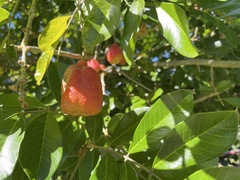 Blighia sapida Akee Photo: CC BY, Serenella Linares
Blighia unijugata Triangle-tops Photo: CC BY-SA, kemisola kaosarat
Grown: iNaturalist's observations of the species marked captive or cultivated; "not counted" where the species list does not count it. Native ranges: Kew's World Checklist of Vascular Plants (Govaerts et al., CC BY 4.0), file of 4 June 2026. Grown: iNaturalist's observations marked captive or cultivated, counted 17 October 2026 (the species list's count). Habitat climate known: the species page has a habitat climate, read from CHELSA's monthly climate and NASA POWER's daily extremes at its well-placed wild records inside Kew's native range; each page says its own sources and days. Record low: the lowest night in NASA POWER's daily series at the habitat's typical spot, as the species page gives it, held in °C to a tenth and shown in your units; each page says its own years and day read. Counts as the reference built on 19 November 2026 holds them. The CSV holds every result, not only this page's.