Bromus
31 species in the reference · family Poaceae · 29 with a habitat climate · 30 grown, per iNaturalist, 1 not counted
About the genus
Bromus is a large genus of grasses, classified in its own tribe Bromeae. They are commonly known as bromes, brome grasses, cheat grasses, or chess grasses. Estimates in the scientific literature of the number of species have ranged from 100 to 400, but plant taxonomists currently recognize around 160–170 species.
Quoted from Wikipedia, "Bromus", its opening paragraph, revision 1358216206, read 2026-11-08, CC BY-SA 4.0.
Where Bromus is native
| Italy | 20 |
|---|---|
| Transcaucasus | 20 |
| France | 19 |
| Greece | 19 |
| Turkey | 19 |
| Iran | 18 |
| Yugoslavia | 18 |
| Bulgaria | 17 |
| Spain | 17 |
| Turkey-in-Europe | 17 |
| North Caucasus | 15 |
| Algeria | 14 |
Species native to each region. A species counts in every region it is native to. Native ranges: Kew's World Checklist of Vascular Plants (Govaerts et al., CC BY 4.0), file of 4 June 2026.
31 species
Bromus
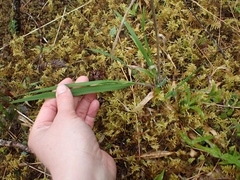 Bromus vulgaris Columbia brome Photo: CC0, Ellyne Geurts
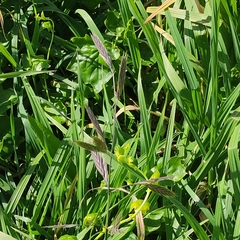 Bromus catharticus Rescue grass Photo: CC BY, Jenny Saito
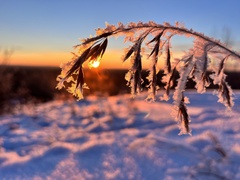 Bromus inermis Hungarian brome Photo: CC BY, Dustin Snider
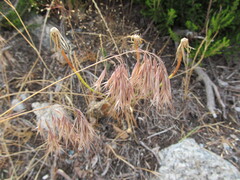 Bromus tectorum Drooping brome Photo: CC BY, zebedeugalinha
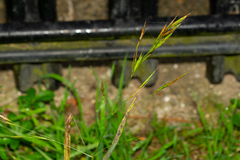 Bromus carinatus California brome Photo: CC BY, Andrew Skotnicki
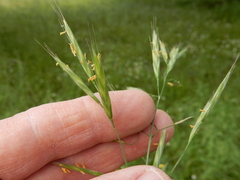 Bromus sitchensis Sitka brome Photo: CC BY, Ed Alverson
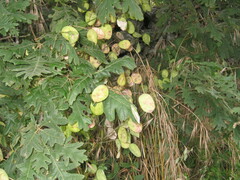 Bromus diandrus Great brome Photo: CC BY, zebedeugalinha
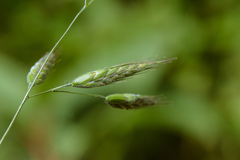 Bromus hordeaceus Soft brome Photo: CC BY, Cheng-Tao Lin
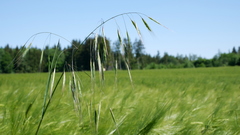 Bromus sterilis Barren brome Photo: CC BY, Wolfgang Jauch
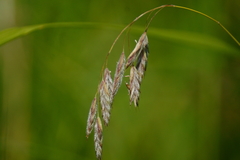 Bromus kalmii Kalm's brome Photo: CC BY-SA, psweet
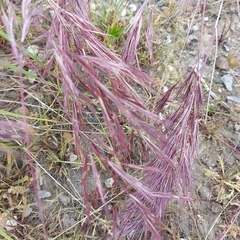 Bromus madritensis Compact brome Photo: CC BY, Chris Webb
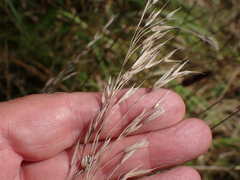 Bromus erectus Erect brome Photo: CC0, Robert H. Wardell
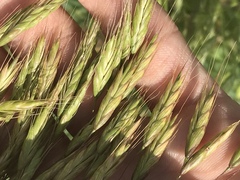 Bromus japonicus Japanese brome Photo: CC BY, Ryan Donnelly
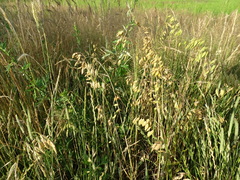 Bromus secalinus Rye brome Photo: CC BY-SA, Grzegorz Grzejszczak
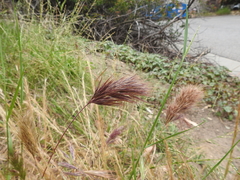 Bromus rubens Foxtail brome Photo: CC0, Andy Kleinhesselink
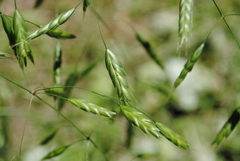 Bromus commutatus Meadow brome Photo: CC BY, Zihao Wang
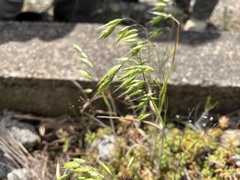 Bromus squarrosus Corn brome Photo: CC BY, Pavel Kacl
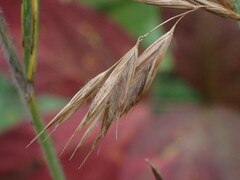 Bromus ciliatus Fringed brome Photo: CC0, Ellyne Geurts
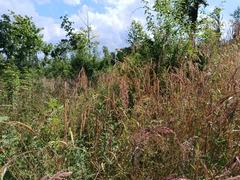 Bromus benekenii Lesser Hairy-brome Photo: CC BY, Vladimír Fuka
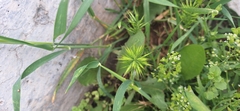 Bromus scoparius Broom brome Photo: CC BY, G'ofurova Gulxayo
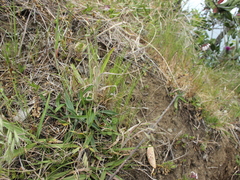 Bromus arenarius Australian brome Photo: CC BY, Joe Dillon
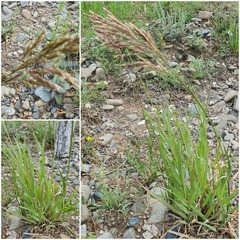 Bromus pumpellianus Pumpelly's brome Photo: CC BY, Urgamal Magsar
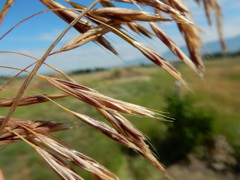 Bromus riparius Meadow brome Photo: CC BY, Matt Lavin
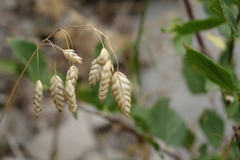 Bromus briziformis Rattlesnake brome Photo: CC BY, Oleg Kosterin
 Bromus bromoideus Photo: Public domain, Daderot
 Bromus grossus Whiskered brome Photo: CC BY-SA, Gerhard Nitter
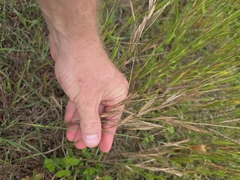 Bromus lanceolatus Large-headed Brome Photo: CC BY, Cleveland Powell
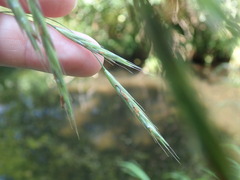 Bromus ramosus Hairy brome Photo: CC BY, Daniel Cahen
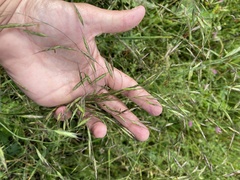 Bromus arvensis Field brome Photo: CC BY, Наталья Пикалова
 Bromus interruptus Interrupted brome Photo: CC BY-SA, Plantsurfer (Uploads)
 Bromus rigidus Ripgut brome Photo: CC BY-SA, Old Goat
Grown: iNaturalist's observations of the species marked captive or cultivated; "not counted" where the species list does not count it. Native ranges: Kew's World Checklist of Vascular Plants (Govaerts et al., CC BY 4.0), file of 4 June 2026. Grown: iNaturalist's observations marked captive or cultivated, counted 17 October 2026 (the species list's count). Habitat climate known: the species page has a habitat climate, read from CHELSA's monthly climate and NASA POWER's daily extremes at its well-placed wild records inside Kew's native range; each page says its own sources and days. Record low: the lowest night in NASA POWER's daily series at the habitat's typical spot, as the species page gives it, held in °C to a tenth and shown in your units; each page says its own years and day read. Counts as the reference built on 19 November 2026 holds them. The CSV holds every result, not only this page's.