Cardamine
38 species in the reference · family Brassicaceae · 38 with a habitat climate · 35 grown, per iNaturalist, 3 not counted
About the genus
Cardamine is a large genus of flowering plants in the mustard family, Brassicaceae, known as bittercresses and toothworts. It contains more than 200 species of annuals and perennials. Species in this genus can be found in diverse habitats worldwide, except the Antarctic. The name Cardamine is derived from the Greek kardaminē, water cress, from kardamon, pepper grass.
Quoted from Wikipedia, "Cardamine", its opening paragraph, revision 1370463200, read 2026-11-08, CC BY-SA 4.0.
Where Cardamine is native
| Italy | 15 |
|---|---|
| France | 14 |
| Yugoslavia | 14 |
| Germany | 13 |
| Austria | 12 |
| Spain | 12 |
| Switzerland | 12 |
| Czechoslovakia | 11 |
| Hungary | 11 |
| Poland | 11 |
| Romania | 11 |
| Ohio | 10 |
Species native to each region. A species counts in every region it is native to. Native ranges: Kew's World Checklist of Vascular Plants (Govaerts et al., CC BY 4.0), file of 4 June 2026.
38 species
Cardamine
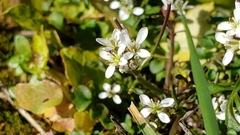 Cardamine hirsuta Hairy bittercress Photo: CC BY, Gavin Slater
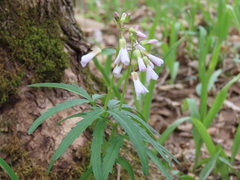 Cardamine concatenata Cut-leaved toothwort Photo: CC BY, Alina Martin
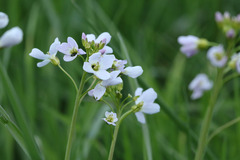 Cardamine pratensis Cuckoo flower Photo: CC BY, Holger Braun
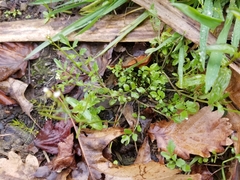 Cardamine occulta Hidden bittercress Photo: CC BY, Brett Sandford
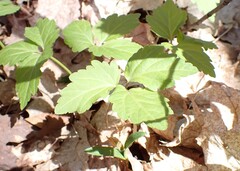 Cardamine diphylla Two-leaved toothwort Photo: CC0, Pierre Cartier
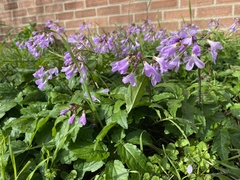 Cardamine quinquefolia Whorled coralroot Photo: CC0, David Lazarus
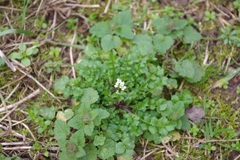 Cardamine flexuosa Wavy bittercress Photo: CC BY, bernhard_hiller
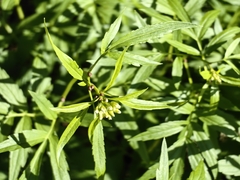 Cardamine bulbifera Coralroot bittercress Photo: CC0, Dmitry Semigradsky
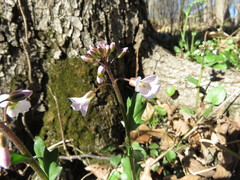 Cardamine douglassii Purple cress Photo: CC BY, Paul Roots
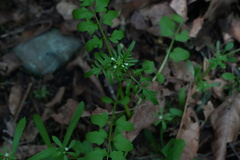 Cardamine pensylvanica Pennsylvania Bittercress Photo: CC BY, carbapple
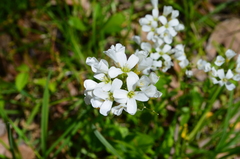 Cardamine bulbosa Spring cress Photo: CC0, Evan Barker
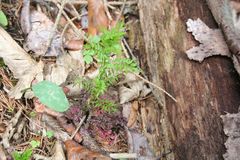 Cardamine impatiens Narrow-leaved bitter-cress Photo: CC BY, ihaerringer
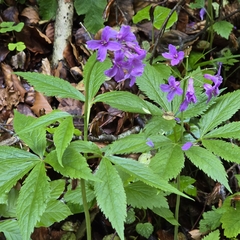 Cardamine pentaphyllos Five-leaflet Bitter-cress Photo: CC0, Naturgucker Tom
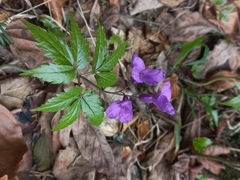 Cardamine glanduligera Photo: CC BY, Przepiór
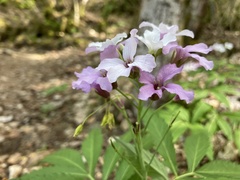 Cardamine heptaphylla Pinnate Coralroot Photo: CC BY-SA, Fabien Anthelme
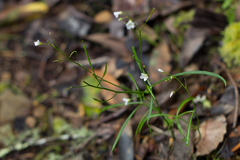 Cardamine californica American milkmaids Photo: CC BY, avocat
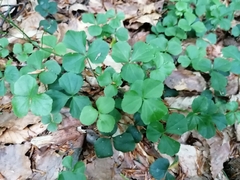 Cardamine trifolia Trefoil Cress Photo: CC BY, Daniel Buczkiewicz
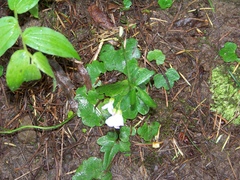 Cardamine nuttallii Nuttall's toothwort Photo: CC BY, botanygirl
 Cardamine amara Large Bitter-cress Photo: CC BY-SA, Josep Gesti
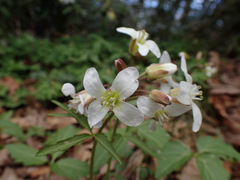 Cardamine angustata Slender toothwort Photo: CC BY, Evan M. Raskin
 Cardamine leucantha White-flower bittercress Photo: CC BY, Timur Kalininsky
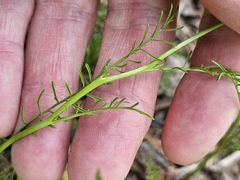 Cardamine parviflora Sand bittercress Photo: CC BY, Norma Malinowski
 Cardamine dissecta Divided toothwort Photo: CC BY, juniper_likethetree
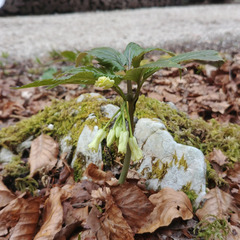 Cardamine enneaphyllos Photo: CC BY, nbasargin
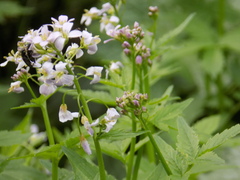 Cardamine macrophylla Toothwrot Photo: CC0, Marina Potapova
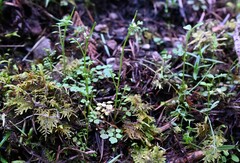 Cardamine oligosperma Little western bittercress Photo: CC BY, Rostyslav Yurechko
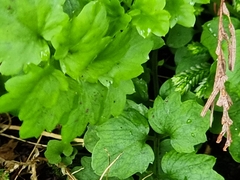 Cardamine caldeirarum Photo: CC0, Stephen Gasson
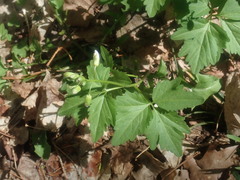 Cardamine maxima Large toothwort Photo: CC0, Lynn Harper
 Cardamine cordifolia Heart-leaf bittercress Photo: CC BY-SA, Brian Finzel
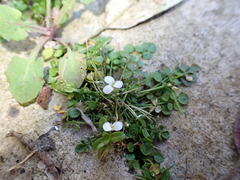 Cardamine corymbosa New Zealand Bitter-cress Photo: CC BY, Henry Miller
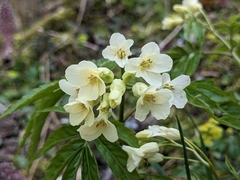 Cardamine kitaibelii Kitaibel's Bitter-cress Photo: CC BY, Attila Oláh
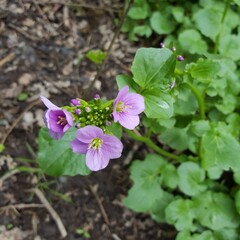 Cardamine raphanifolia Greater Cuckooflower Photo: CC BY, R Clarke
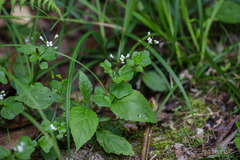 Cardamine lyrata Chinese-ivy Photo: CC BY, Wang.QG
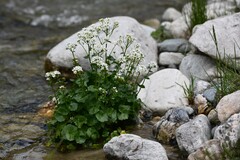 Cardamine asarifolia Asarum-leaved bittercress Photo: CC BY, Flavien Saboureau
 Cardamine bellidifolia Alpine bittercress Photo: CC BY, Spencer K. Monckton
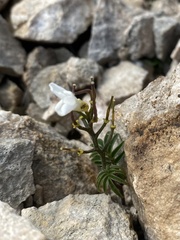 Cardamine bipinnata Photo: CC BY, Илья Руденко
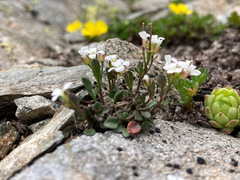 Cardamine resedifolia Mignonette-leaved Bittercress Photo: CC BY-SA, Fabien Anthelme
 Cardamine waldsteinii Photo: CC BY, Christian Berg
Grown: iNaturalist's observations of the species marked captive or cultivated; "not counted" where the species list does not count it. Native ranges: Kew's World Checklist of Vascular Plants (Govaerts et al., CC BY 4.0), file of 4 June 2026. Grown: iNaturalist's observations marked captive or cultivated, counted 17 October 2026 (the species list's count). Habitat climate known: the species page has a habitat climate, read from CHELSA's monthly climate and NASA POWER's daily extremes at its well-placed wild records inside Kew's native range; each page says its own sources and days. Record low: the lowest night in NASA POWER's daily series at the habitat's typical spot, as the species page gives it, held in °C to a tenth and shown in your units; each page says its own years and day read. Counts as the reference built on 19 November 2026 holds them. The CSV holds every result, not only this page's.