Cola
6 species in the reference · family Malvaceae · 5 with a habitat climate · 5 grown, per iNaturalist, 1 not counted
About the genus
Cola is a carbonated soft drink flavored with vanilla, cinnamon, citrus oils, and other flavorings (typically including sugar or artificial sweeteners). The name, however, comes from the kola nut (Cola acuminata), which imbues the beverage with the stimulant caffeine (though other sources of caffeine are generally used in modern formulations). A stimulating soda using kola appeared circa 1880 in the United States.
Quoted from Wikipedia, "Cola", its opening paragraph, revision 1382699310, read 2026-11-08, CC BY-SA 4.0.
Where Cola is native
| Cameroon | 6 |
|---|---|
| Congo | 5 |
| Gabon | 5 |
| Ivory Coast | 5 |
| Togo | 5 |
| Zaïre | 5 |
| Benin | 4 |
| Central African Republic | 4 |
| Ghana | 4 |
| Guinea | 4 |
| Nigeria | 4 |
| Cabinda | 3 |
Species native to each region. A species counts in every region it is native to. Native ranges: Kew's World Checklist of Vascular Plants (Govaerts et al., CC BY 4.0), file of 4 June 2026.
6 species
Cola
 Cola acuminata Abata cola Photo: CC BY-SA, M. A. P. Accardo Filho
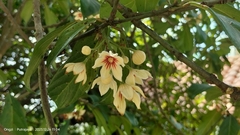 Cola nitida Kola nut Photo: CC BY-SA, Ong Jyh Seng
 Cola gigantea Giant Cola Photo: CC BY, Sunday Berlioz KAKPO
- no open photograph on file Cola gabonensis
- no open photograph on file Cola lateritia
 Cola caricifolia Photo: CC BY-SA, NasserHalaweh
Grown: iNaturalist's observations of the species marked captive or cultivated; "not counted" where the species list does not count it. Native ranges: Kew's World Checklist of Vascular Plants (Govaerts et al., CC BY 4.0), file of 4 June 2026. Grown: iNaturalist's observations marked captive or cultivated, counted 17 October 2026 (the species list's count). Habitat climate known: the species page has a habitat climate, read from CHELSA's monthly climate and NASA POWER's daily extremes at its well-placed wild records inside Kew's native range; each page says its own sources and days. Record low: the lowest night in NASA POWER's daily series at the habitat's typical spot, as the species page gives it, held in °C to a tenth and shown in your units; each page says its own years and day read. Counts as the reference built on 19 November 2026 holds them. The CSV holds every result, not only this page's.