Conophytum
108 species in the reference · family Aizoaceae · 1 with a habitat climate · 43 grown, per iNaturalist, 65 not counted
About the genus
Conophytum is a genus of succulent plants that belong to the family Aizoaceae. They are native to southern Namibia and the western and southern Cape Provinces of South Africa. The name is derived from the Latin conus (cone) and Greek phytum (plant). The plants are also known as knopies (buttons in Afrikaans), waterblasies (water blisters in Afrikaans), sphaeroids, conos, cone plants, dumplings, or button plants.
Quoted from Wikipedia, "Conophytum", its opening paragraph, revision 1354839246, read 2026-11-08, CC BY-SA 4.0.
Where Conophytum is native
| Cape Provinces | 104 |
|---|---|
| Namibia | 9 |
Species native to each region. A species counts in every region it is native to. Native ranges: Kew's World Checklist of Vascular Plants (Govaerts et al., CC BY 4.0), file of 4 June 2026.
108 species
Conophytum
 Conophytum bilobum Photo: CC BY, Cheng-Tao Lin
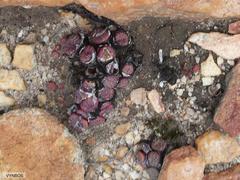 Conophytum obcordellum Greater Dumpling Photo: CC BY-SA, Chris Vynbos
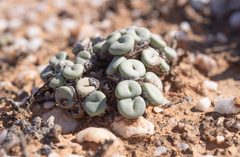 Conophytum minutum Mini Buttons Photo: CC BY, Morten Ross
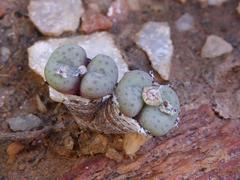 Conophytum jucundum Jolly Buttons Photo: CC BY-SA, Andrew Hankey
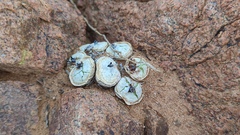 Conophytum pageae Photo: CC BY, Svyatoslav Knyazev
 Conophytum burgeri Photo: CC0, Abu Shawka
 Conophytum meyeri Photo: CC BY-SA, Andrew Hankey
 Conophytum hians Photo: CC BY-SA, Jean-Jacques MILAN
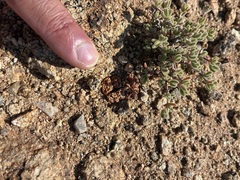 Conophytum pellucidum Photo: CC0, Marcus Tamura
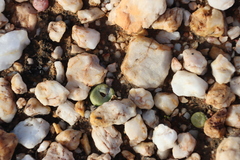 Conophytum subfenestratum Photo: CC BY-SA, Tony Rebelo
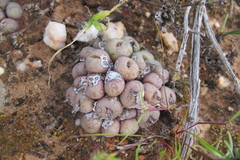 Conophytum uviforme Egg Buttons Photo: CC BY-SA, James Deacon
 Conophytum violaciflorum Photo: CC BY-SA, James Deacon
 Conophytum calculus Coneplants Photo: CC BY-SA, Brian du Preez
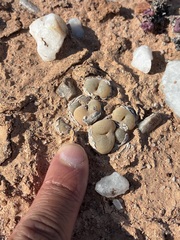 Conophytum concavum Photo: CC0, Marcus Tamura
 Conophytum ectypum Photo: CC BY, Dornenwolf
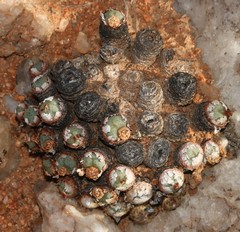 Conophytum flavum Photo: CC BY-SA, Brian du Preez
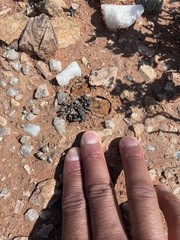 Conophytum maughanii Photo: CC0, Marcus Tamura
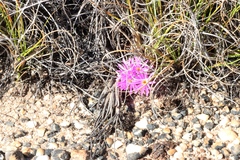 Conophytum minusculum Rock Stonevygie Photo: CC BY-SA, Tony Rebelo
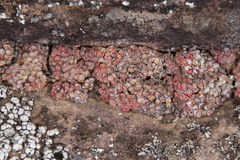 Conophytum swanepoelianum Photo: CC BY-SA, Tony Rebelo
 Conophytum friedrichiae Photo: CC BY-SA, Jean-Jacques MILAN
 Conophytum wettsteinii Photo: CC BY-SA, leandra-k_89
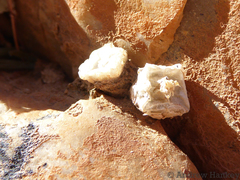 Conophytum angelicae Photo: CC BY-SA, Andrew Hankey
- no open photograph on file Conophytum caroli
- no open photograph on file Conophytum chauviniae
 Conophytum globosum Photo: CC BY, Yongyus
 Conophytum limpidum Photo: CC BY, Yongyus
- no open photograph on file Conophytum ratum
 Conophytum devium Photo: CC BY-SA, W Brüsehaber
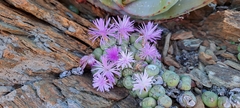 Conophytum ficiforme Fig Buttons Photo: CC BY, Liezl van der Merwe
- no open photograph on file Conophytum praesectum
 Conophytum taylorianum Photo: CC BY-SA, Paradise Chronicle
 Conophytum auriflorum Photo: CC BY, Averater
- no open photograph on file Conophytum blandum
 Conophytum fraternum Photo: CC BY-SA, Jean-Jacques MILAN
 Conophytum frutescens Photo: CC BY-SA, Andrew Hankey
 Conophytum herreanthus Photo: CC BY-SA, Abu Shawka
- no open photograph on file Conophytum longibracteatum
- no open photograph on file Conophytum lydiae
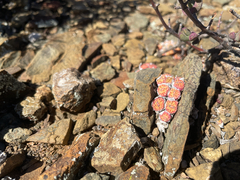 Conophytum minimum Photo: CC BY, Justin Ponder
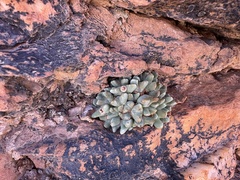 Conophytum quaesitum Photo: CC BY, Charleen Brunke
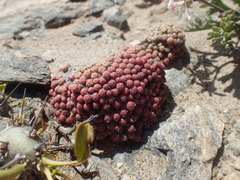 Conophytum saxetanum Photo: CC BY, Mahomed Desai
 Conophytum truncatum Eastern Buttons Photo: CC BY, Christiaan Viljoen
 Conophytum velutinum Photo: CC BY-SA, Michael Wolf (Webseite)
- no open photograph on file Conophytum achabense
 Conophytum acutum Photo: CC BY-SA, Seth Woodworth from Boston, USA
- no open photograph on file Conophytum albiflorum
- no open photograph on file Conophytum antonii
- no open photograph on file Conophytum armianum
Grown: iNaturalist's observations of the species marked captive or cultivated; "not counted" where the species list does not count it. Native ranges: Kew's World Checklist of Vascular Plants (Govaerts et al., CC BY 4.0), file of 4 June 2026. Grown: iNaturalist's observations marked captive or cultivated, counted 17 October 2026 (the species list's count). Habitat climate known: the species page has a habitat climate, read from CHELSA's monthly climate and NASA POWER's daily extremes at its well-placed wild records inside Kew's native range; each page says its own sources and days. Record low: the lowest night in NASA POWER's daily series at the habitat's typical spot, as the species page gives it, held in °C to a tenth and shown in your units; each page says its own years and day read. Counts as the reference built on 19 November 2026 holds them. The CSV holds every result, not only this page's.