Coprosma
52 species in the reference · family Rubiaceae · 48 with a habitat climate · 50 grown, per iNaturalist, 2 not counted
About the genus
Coprosma is a genus of flowering plants, commonly known as coprosmas, in the family Rubiaceae. They are found in Borneo, Java, New Guinea, Australia, New Zealand, and smaller islands of the Pacific Ocean as far as the Hawaiian Islands and the Juan Fernández Islands of Chile.
Quoted from Wikipedia, "Coprosma", its opening paragraph, revision 1379957638, read 2026-11-08, CC BY-SA 4.0.
Where Coprosma is native
| New Zealand South | 37 |
|---|---|
| New Zealand North | 36 |
| Antipodean Is. | 5 |
| Tasmania | 5 |
| Victoria | 5 |
| Chatham Is. | 4 |
| New South Wales | 4 |
| Kermadec Is. | 2 |
| Hawaii | 1 |
| Macquarie Is. | 1 |
| Norfolk Is. | 1 |
Species native to each region. A species counts in every region it is native to. Native ranges: Kew's World Checklist of Vascular Plants (Govaerts et al., CC BY 4.0), file of 4 June 2026.
52 species
Coprosma
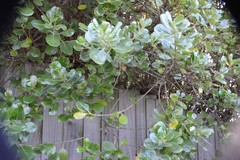 Coprosma repens Tree bedstraw Photo: CC BY, Jon Sullivan
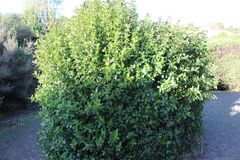 Coprosma robusta Glossy Karamū Photo: CC BY, Joe Potter Butler
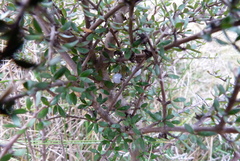 Coprosma propinqua Bouncy bush Photo: CC BY-SA, Colin Meurk
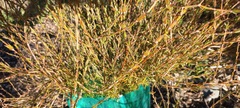 Coprosma acerosa Sand coprosma Photo: CC BY, Mike Bowie
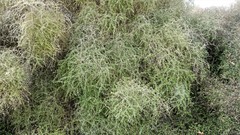 Coprosma virescens Photo: CC BY-SA, Colin Meurk
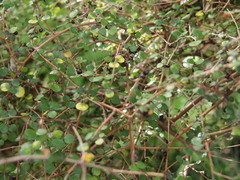 Coprosma crassifolia Photo: CC BY, Andrea Grover
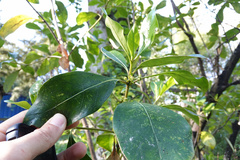 Coprosma lucida Shining Karamū Photo: CC BY, Jon Sullivan
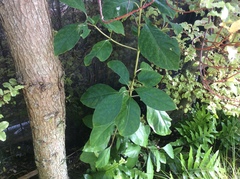 Coprosma grandifolia Photo: CC BY, Tim Park
Coprosma rugosa Needle-leaved mountain coprosma Photo: CC BY, John Barkla
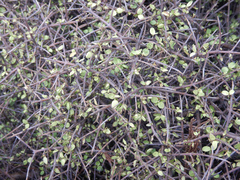 Coprosma rhamnoides Twiggy coprosma Photo: CC BY, Jon Sullivan
Coprosma areolata Thin-leaved coprosma Photo: CC BY, John Barkla
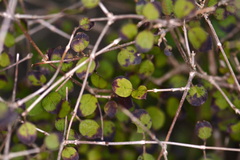 Coprosma rotundifolia Round Leaved Coprosma Photo: CC BY, Murray NZ
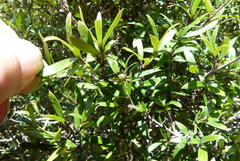 Coprosma linariifolia Yellow Wood Photo: CC BY-SA, Colin Meurk
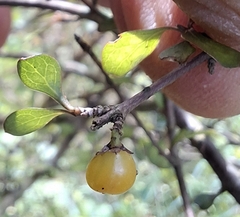 Coprosma rigida Photo: CC0, John Barnett
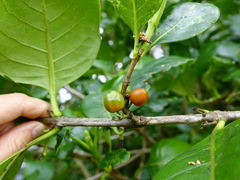 Coprosma macrocarpa Photo: CC BY, Jacqui Geux
 Coprosma × kirkii Photo: CC BY, Murray NZ
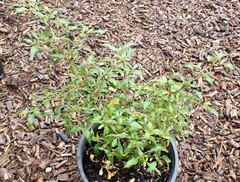 Coprosma × cunninghamii Photo: CC BY-SA, Tony Steer
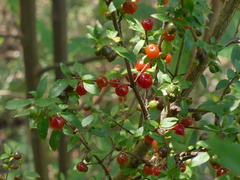 Coprosma quadrifida Prickly currantbush Photo: CC0, John Cull
 Coprosma dumosa Photo: CC BY-SA, Colin Meurk
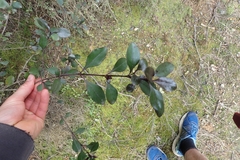 Coprosma arborea Tree Coprosma Photo: CC BY, Oscar Dove
 Coprosma brunnea Photo: CC BY, John Barkla
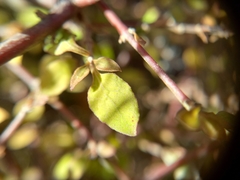 Coprosma rubra Photo: CC BY-SA, Colin Meurk
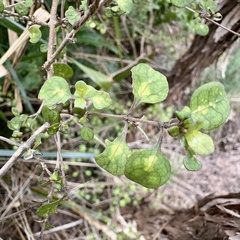 Coprosma tenuicaulis Hukihuki Photo: CC BY, Tom Beard
 Coprosma baueri Photo: Public domain, Stickpen
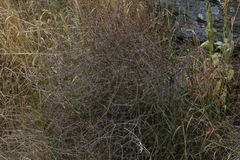 Coprosma intertexta Photo: CC BY, John Barkla
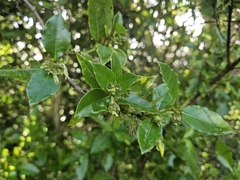 Coprosma acutifolia Photo: CC BY, Angus Campbell
 Coprosma foetidissima Photo: CC BY, Saryu Mae 前 朝琉
 Coprosma waima Photo: CC BY-SA, Rudolph89
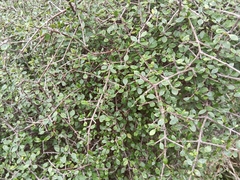 Coprosma wallii Photo: CC BY, Alice Shanks
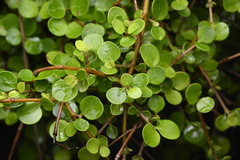 Coprosma neglecta Photo: CC BY, Saryu Mae 前 朝琉
 Coprosma pseudocuneata Photo: CC BY, Paul Bell-Butler
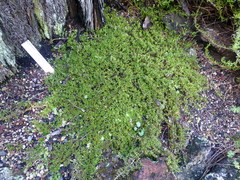 Coprosma atropurpurea Photo: CC BY, Murray NZ
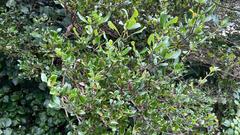 Coprosma chathamica Photo: CC BY, Tim Park
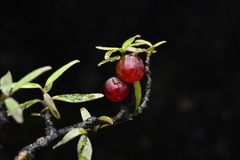 Coprosma colensoi Photo: CC BY, Saryu Mae 前 朝琉
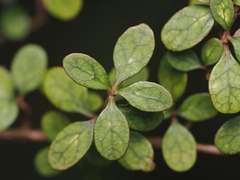 Coprosma parviflora Photo: CC BY, Angus Campbell
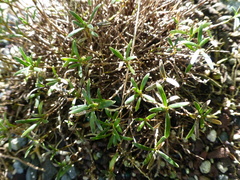 Coprosma petriei Turfy Coprosma Photo: CC BY, Murray NZ
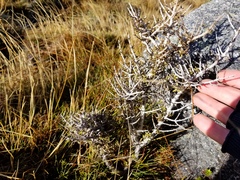 Coprosma cheesemanii Photo: CC BY, Brett Sandford
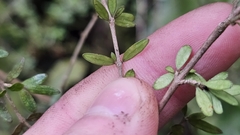 Coprosma obconica Photo: CC0, Henry Hart
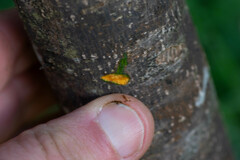 Coprosma pedicellata Photo: CC BY, M Rutherford
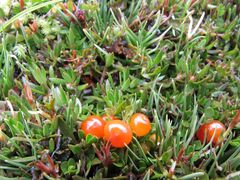 Coprosma perpusilla Creeping Coprosma Photo: CC BY, John Barkla
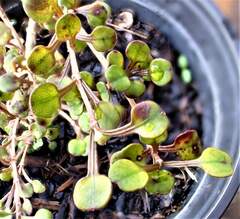 Coprosma spathulata Photo: CC BY-SA, Tony Steer
 Coprosma ernodeoides 'Aiakanene Photo: CC BY, Kevin Faccenda
 Coprosma fowerakeri Photo: CC BY, John Barkla
 Coprosma petiolata Photo: CC BY, John Barkla
 Coprosma serrulata Photo: CC BY, Brett Sandford
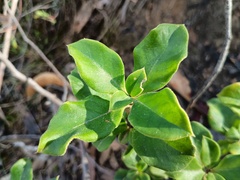 Coprosma hirtella Rough coprosma Photo: CC BY, grampianshiker
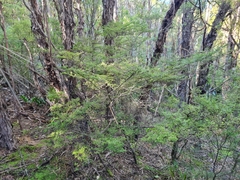 Coprosma microcarpa Photo: CC0, gnapp
 Coprosma nitida Shining coprosma Photo: CC BY-SA, Miguel de Salas
Grown: iNaturalist's observations of the species marked captive or cultivated; "not counted" where the species list does not count it. Native ranges: Kew's World Checklist of Vascular Plants (Govaerts et al., CC BY 4.0), file of 4 June 2026. Grown: iNaturalist's observations marked captive or cultivated, counted 17 October 2026 (the species list's count). Habitat climate known: the species page has a habitat climate, read from CHELSA's monthly climate and NASA POWER's daily extremes at its well-placed wild records inside Kew's native range; each page says its own sources and days. Record low: the lowest night in NASA POWER's daily series at the habitat's typical spot, as the species page gives it, held in °C to a tenth and shown in your units; each page says its own years and day read. Counts as the reference built on 19 November 2026 holds them. The CSV holds every result, not only this page's.