Coryphantha
43 species in the reference · family Cactaceae · 35 with a habitat climate · 28 grown, per iNaturalist, 15 not counted
About the genus
Coryphantha (from Greek, "flowering on the top"), or beehive cactus, is a genus of small to middle-sized, globose or columnar cacti. The genus is native to arid parts of Central America, Mexico, through Arizona, New Mexico, and western Texas and north into southwestern, central, and southeastern Montana. With its two subgenera, 57 species and 20 subspecies, it is one of the largest genera of cacti.
Quoted from Wikipedia, "Coryphantha", its opening paragraph, revision 1381081221, read 2026-11-08, CC BY-SA 4.0.
Where Coryphantha is native
| Mexico Northeast | 40 |
|---|---|
| Mexico Southwest | 12 |
| Mexico Gulf | 8 |
| Mexico Central | 6 |
| Texas | 5 |
| Mexico Northwest | 3 |
| Arizona | 2 |
| New Mexico | 1 |
Species native to each region. A species counts in every region it is native to. Native ranges: Kew's World Checklist of Vascular Plants (Govaerts et al., CC BY 4.0), file of 4 June 2026.
43 species
Coryphantha
 Coryphantha elephantidens Elephant's Tooth Photo: CC BY, Gianni Del Bufalo bygdb
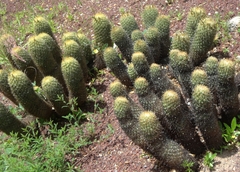 Coryphantha erecta Photo: CC BY, Juan Carlos Fonseca Mata
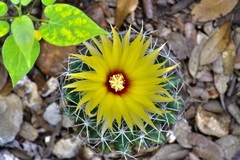 Coryphantha sulcata Pineapple Cactus Photo: CC BY, Michelle W. (鍾偉瑋)
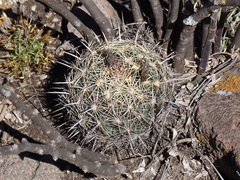 Coryphantha cornifera Rhinoceros Cactus Photo: CC BY, Alexis López Hernández
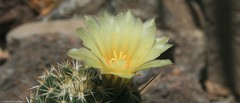 Coryphantha octacantha Photo: CC BY, José Belem Hernández Díaz
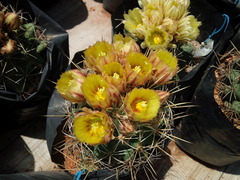 Coryphantha robustispina Pima pineapple cactus Photo: CC BY, Alexis López Hernández
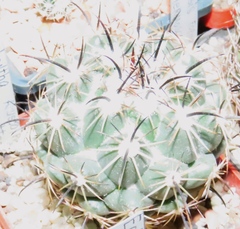 Coryphantha pallida Photo: CC BY, Oleksandr Shynder
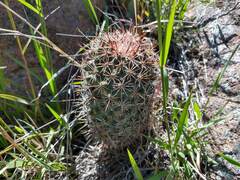 Coryphantha clavata Photo: CC BY, Alexis López Hernández
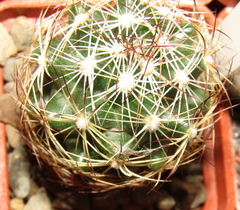 Coryphantha durangensis Photo: CC BY, Oleksandr Shynder
 Coryphantha retusa Photo: CC BY, Carlos Domínguez-Rodríguez
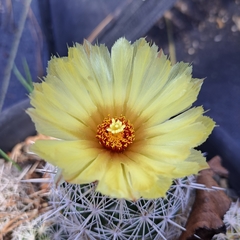 Coryphantha echinus Photo: CC BY, waldo_jeffers
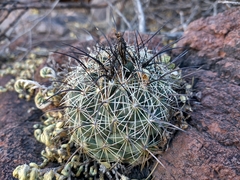 Coryphantha delaetiana Photo: CC0, Alejandro Sigala Chávez
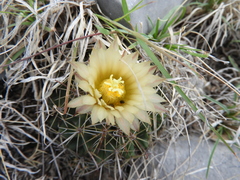 Coryphantha delicata Photo: CC BY-SA, Leticia Jiménez Hernández
 Coryphantha poselgeriana Photo: CC0, Alejandro Sigala Chávez
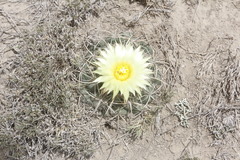 Coryphantha pycnacantha Photo: CC BY-SA, Juan Cruzado Cortés
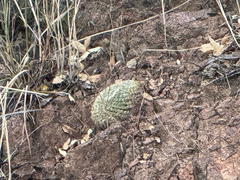 Coryphantha recurvata Santa Cruz beehive cactus Photo: CC BY, CK2AZ
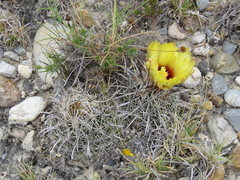 Coryphantha salinensis Photo: CC BY, Alexis López Hernández
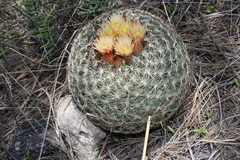 Coryphantha compacta Photo: CC BY, Rodolfo Maximiliano Gutiérrez-Sánchez
 Coryphantha ottonis Photo: CC BY-SA, Oscar Alejandro Morales Juárez
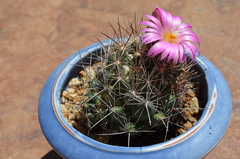 Coryphantha ramillosa Bunched cory cactus Photo: CC BY, Trevor Harding
 Coryphantha difficilis Photo: CC BY, Mauricio Calderón Cadena
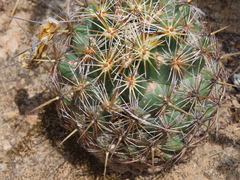 Coryphantha echinoidea Photo: CC BY, Ulises Pinedo
 Coryphantha werdermannii Biznaga amacollada Photo: CC BY-SA, Consultaplantas
 Coryphantha maiz-tablasensis Photo: CC BY, amantedarmanin
 Coryphantha neglecta Photo: CC BY-SA, Francisco Martínez González
 Coryphantha nickelsiae Nickels' cactus Photo: CC BY-SA, Francisco Martínez González
 Coryphantha longicornis Photo: CC BY, Luis F. Ramírez
 Coryphantha pseudechinus Photo: CC BY-SA, Rogelio Reyna-Hernández
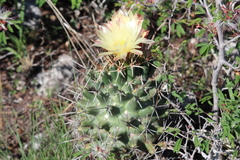 Coryphantha georgii Photo: CC BY-SA, Alberto Wong
 Coryphantha glanduligera Photo: CC BY, Ad Konings
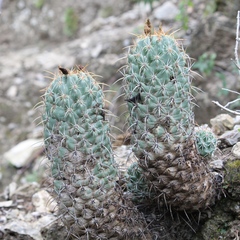 Coryphantha glassii Photo: CC BY, Pedro Nájera Quezada
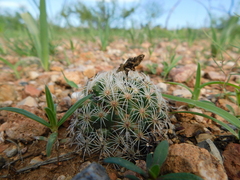 Coryphantha gracilis Photo: CC0, Alejandro Sigala Chávez
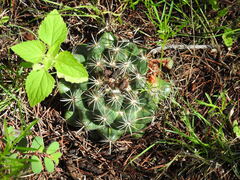 Coryphantha hintoniorum Photo: CC BY-SA, Leticia Jiménez Hernández
- no open photograph on file Coryphantha ibarrana
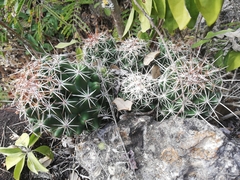 Coryphantha jalpanensis Photo: CC BY, Sandino Guerrero
 Coryphantha kracikii Photo: CC0, Alejandro Sigala Chávez
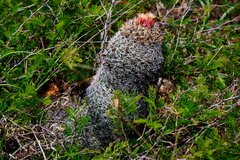 Coryphantha potosiana Photo: CC BY, Oscar Israel Rodríguez Ortiz
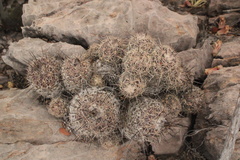 Coryphantha pseudonickelsiae Photo: CC BY-SA, bungaosam83_second
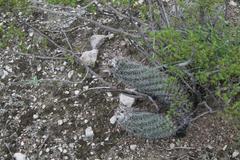 Coryphantha pulleineana Photo: CC BY, Pedro Nájera Quezada
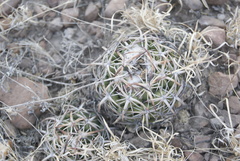 Coryphantha tripugionacantha Photo: CC BY, Ulises Pinedo
 Coryphantha vaupeliana Photo: CC BY, Ad Konings
 Coryphantha vogtherriana Photo: CC BY, P Gonzalez Zamora
- no open photograph on file Coryphantha wohlschlageri
Grown: iNaturalist's observations of the species marked captive or cultivated; "not counted" where the species list does not count it. Native ranges: Kew's World Checklist of Vascular Plants (Govaerts et al., CC BY 4.0), file of 4 June 2026. Grown: iNaturalist's observations marked captive or cultivated, counted 17 October 2026 (the species list's count). Habitat climate known: the species page has a habitat climate, read from CHELSA's monthly climate and NASA POWER's daily extremes at its well-placed wild records inside Kew's native range; each page says its own sources and days. Record low: the lowest night in NASA POWER's daily series at the habitat's typical spot, as the species page gives it, held in °C to a tenth and shown in your units; each page says its own years and day read. Counts as the reference built on 19 November 2026 holds them. The CSV holds every result, not only this page's.