Cyphostemma
246 species in the reference · family Vitaceae · 64 with a habitat climate · 9 grown, per iNaturalist, 237 not counted
About the genus
Cyphostemma is a flowering plant genus in the family Vitaceae, with around 250 species distributed throughout the tropics and subtropics. These species are caudiciform and used to belong to the genus Cissus. The genus name comes from Greek kyphos, meaning hump, and stemma, meaning garland.
Quoted from Wikipedia, "Cyphostemma", its opening paragraph, revision 1354823593, read 2026-11-08, CC BY-SA 4.0.
Where Cyphostemma is native
| Tanzania | 72 |
|---|---|
| Zaïre | 52 |
| Zambia | 39 |
| Madagascar | 35 |
| Kenya | 32 |
| Cameroon | 26 |
| Zimbabwe | 26 |
| Malawi | 25 |
| Angola | 22 |
| Mozambique | 22 |
| Northern Provinces | 22 |
| Ethiopia | 20 |
Species native to each region. A species counts in every region it is native to. Native ranges: Kew's World Checklist of Vascular Plants (Govaerts et al., CC BY 4.0), file of 4 June 2026.
246 species
Cyphostemma
 Cyphostemma juttae Namibian Grape Photo: CC BY-SA, Nicola van Berkel
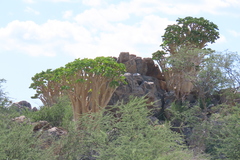 Cyphostemma currorii Butter Tree Photo: CC0, dune_ninja
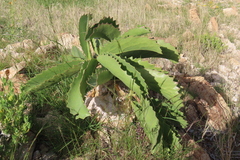 Cyphostemma bainesii African Tree Grape Photo: CC0, dune_ninja
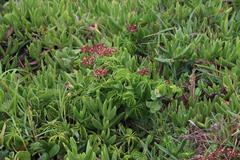 Cyphostemma cirrhosum Pucker Grape Photo: CC BY-SA, Tony Rebelo
 Cyphostemma mappia Photo: CC BY-SA, S Molteno
 Cyphostemma lanigerum Photo: CC BY-SA, Andrew Hankey
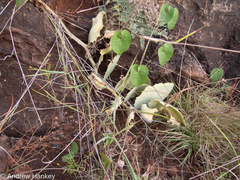 Cyphostemma segmentatum Photo: CC BY-SA, Andrew Hankey
 Cyphostemma uter Photo: CC BY, desertnaturalist
 Cyphostemma elephantopus Photo: CC0, Romer N. Rabarijaona
- no open photograph on file Cyphostemma abercornense
- no open photograph on file Cyphostemma adamii
 Cyphostemma adenanthum Photo: CC BY, Daniel Cahen
- no open photograph on file Cyphostemma adenocarpum
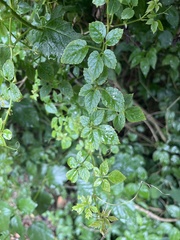 Cyphostemma adenocaule Photo: CC BY, Elliot Greiner
 Cyphostemma adenopodum Photo: CC0, Аимаина хикари
- no open photograph on file Cyphostemma allophylloides
- no open photograph on file Cyphostemma alnifolium
- no open photograph on file Cyphostemma amplexicaule
 Cyphostemma anatomicum Hairy Grape Photo: CC BY-SA, James Deacon
- no open photograph on file Cyphostemma andavadoakense
- no open photograph on file Cyphostemma ankaranense
- no open photograph on file Cyphostemma ankirihitrense
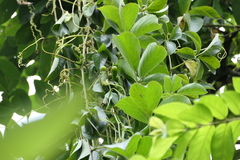 Cyphostemma auriculatum Photo: CC BY-SA, Dinesh Valke
- no open photograph on file Cyphostemma bambuseti
- no open photograph on file Cyphostemma barbosae
 Cyphostemma betiforme Photo: CC0, Romer N. Rabarijaona
- no open photograph on file Cyphostemma bidgoodiae
- no open photograph on file Cyphostemma biternatum
- no open photograph on file Cyphostemma boranense
- no open photograph on file Cyphostemma bororense
- no open photograph on file Cyphostemma braunii
- no open photograph on file Cyphostemma brieyi
- no open photograph on file Cyphostemma buchananii
- no open photograph on file Cyphostemma bullatum
- no open photograph on file Cyphostemma burgeri
- no open photograph on file Cyphostemma cabui
- no open photograph on file Cyphostemma caerulans
- no open photograph on file Cyphostemma calcarium
- no open photograph on file Cyphostemma camerounense
- no open photograph on file Cyphostemma chloroleucum
- no open photograph on file Cyphostemma chrysadenium
- no open photograph on file Cyphostemma comorense
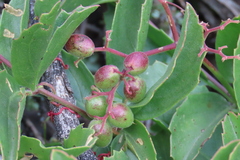 Cyphostemma congestum Photo: CC0, dune_ninja
- no open photograph on file Cyphostemma congoense
- no open photograph on file Cyphostemma cornigera
- no open photograph on file Cyphostemma cornus-africani
- no open photograph on file Cyphostemma crassiusculum
- no open photograph on file Cyphostemma crinitum
Grown: iNaturalist's observations of the species marked captive or cultivated; "not counted" where the species list does not count it. Native ranges: Kew's World Checklist of Vascular Plants (Govaerts et al., CC BY 4.0), file of 4 June 2026. Grown: iNaturalist's observations marked captive or cultivated, counted 17 October 2026 (the species list's count). Habitat climate known: the species page has a habitat climate, read from CHELSA's monthly climate and NASA POWER's daily extremes at its well-placed wild records inside Kew's native range; each page says its own sources and days. Record low: the lowest night in NASA POWER's daily series at the habitat's typical spot, as the species page gives it, held in °C to a tenth and shown in your units; each page says its own years and day read. Counts as the reference built on 19 November 2026 holds them. The CSV holds every result, not only this page's.