Daphne
45 species in the reference · family Thymelaeaceae · 28 with a habitat climate · 31 grown, per iNaturalist, 14 not counted
About the genus
Daphne (DAFF-nee; Ancient Greek: Δάφνη, Dáphnē, lit. 'laurel'), a figure in Greek mythology, was in various retellings a mortal woman or a nymph, daughter of a river god. The god Apollo fell in love with Daphne and chased her against her wishes, but before he caught her, Daphne prayed for escape, and was transformed into a laurel tree. Thenceforth Apollo developed a special reverence for laurel.
Quoted from Wikipedia, "Daphne", its opening paragraph, revision 1379196335, read 2026-11-08, CC BY-SA 4.0.
Where Daphne is native
| China South-Central | 17 |
|---|---|
| Italy | 13 |
| Bulgaria | 9 |
| Yugoslavia | 9 |
| Albania | 7 |
| Greece | 7 |
| Turkey | 7 |
| China North-Central | 6 |
| France | 6 |
| Transcaucasus | 6 |
| Austria | 5 |
| North Caucasus | 5 |
Species native to each region. A species counts in every region it is native to. Native ranges: Kew's World Checklist of Vascular Plants (Govaerts et al., CC BY 4.0), file of 4 June 2026.
45 species
Daphne
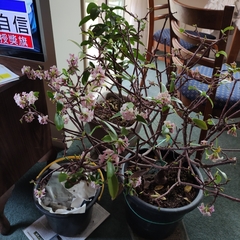 Daphne odora Winter daphne Photo: CC BY, Jenny Saito
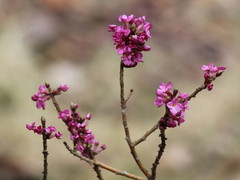 Daphne mezereum Mezereon Photo: CC BY, Claire Moxon-Waltz
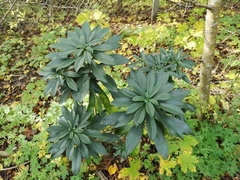 Daphne laureola Spurge-laurel Photo: CC BY, Jens-Christian Svenning
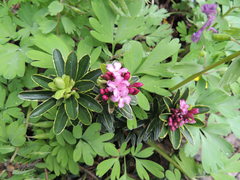 Daphne cneorum Garland-flower Photo: CC BY, Oleksandr Shynder
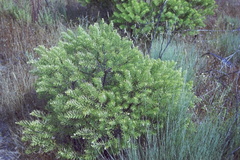 Daphne gnidium Flax-leaved Daphne Photo: CC BY, zebedeugalinha
 Daphne bholua Lokta Photo: CC BY, Jon Sullivan
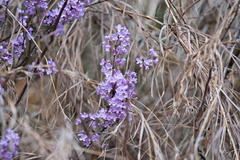 Daphne genkwa Photo: CC BY, Jiao Sun (孙娇)
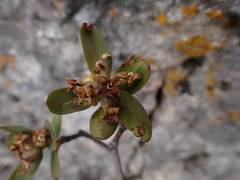 Daphne alpina Alpine daphne Photo: CC BY, Franck Cabot
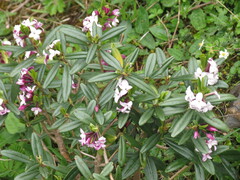 Daphne tangutica Photo: CC0, Chris Wyse
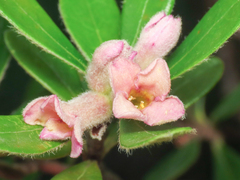 Daphne sericea Photo: CC BY-SA, Emanuele Santarelli
- no open photograph on file Daphne sophia
 Daphne glomerata Photo: CC BY, Todd Boland
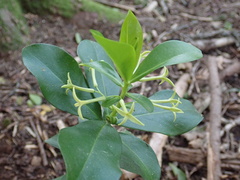 Daphne pontica Twin-flower daphne Photo: CC0, John Kenrick Gibson
 Daphne arbuscula Photo: CC BY-SA, ghislain118…
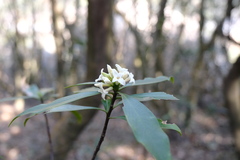 Daphne kiusiana White daphne Photo: CC BY, 王天明
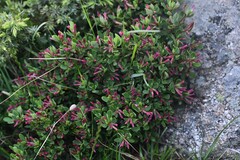 Daphne oleoides Spurge-olive Photo: CC BY, Flavien Saboureau
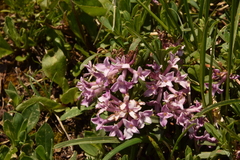 Daphne striata Striated Mezereon Photo: CC BY, Mitch Van Dyke
 Daphne acutiloba Photo: CC BY-SA, Krzysztof Ziarnek, Kenraiz
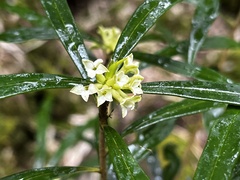 Daphne arisanensis Photo: CC BY, 黃美滿
 Daphne aurantiaca Photo: CC BY-SA, C T Johansson
 Daphne caucasica Caucasian daphne Photo: CC BY-SA, Sten Porse
 Daphne gemmata Photo: CC BY-SA, 阿橋 HQ
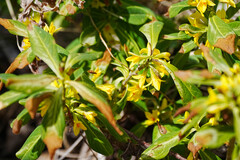 Daphne jezoensis Photo: CC BY, WATANABE Hitoshi 渡辺仁
- no open photograph on file Daphne pedunculata
 Daphne longilobata Photo: CC BY-SA, peganum from Small Dole, England
- no open photograph on file Daphne modesta
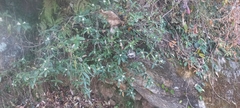 Daphne papyracea Photo: CC BY, Ramnarayan K
 Daphne retusa Photo: CC BY, Siddarth Machado
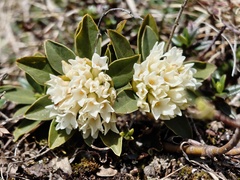 Daphne blagayana Balkan daphne Photo: CC BY-SA, xulescu_g
 Daphne giraldii Photo: CC BY-SA, Averater
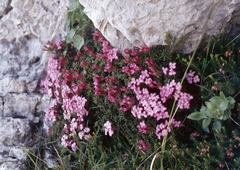 Daphne petraea Photo: CC BY, F. Bemmerlein-Lux
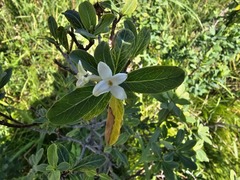 Daphne altaica Altai mezereon Photo: CC BY, Yeskendir Satekov
Daphne domini Photo: CC BY-SA, Gerhard Buzas
- no open photograph on file Daphne × hendersonii
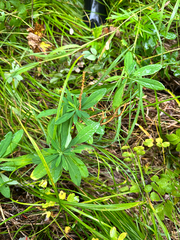 Daphne kamtschatica Photo: CC BY, Tatyana Petrenko
 Daphne kosaninii Photo: CC BY-SA, Krzysztof Golik
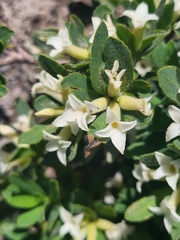 Daphne kurdica Photo: CC BY, Jacek Pietruszewski
- no open photograph on file Daphne limprichtii
- no open photograph on file Daphne malyana
 Daphne mucronata Photo: CC BY, Siddarth Machado
- no open photograph on file Daphne × neapolitana
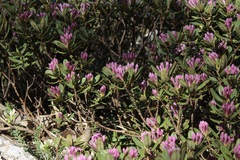 Daphne pseudosericea Photo: CC BY, Иван Пристрем
- no open photograph on file Daphne rosmarinifolia
- no open photograph on file Daphne × thauma
- no open photograph on file Daphne wolongensis
Grown: iNaturalist's observations of the species marked captive or cultivated; "not counted" where the species list does not count it. Native ranges: Kew's World Checklist of Vascular Plants (Govaerts et al., CC BY 4.0), file of 4 June 2026. Grown: iNaturalist's observations marked captive or cultivated, counted 17 October 2026 (the species list's count). Habitat climate known: the species page has a habitat climate, read from CHELSA's monthly climate and NASA POWER's daily extremes at its well-placed wild records inside Kew's native range; each page says its own sources and days. Record low: the lowest night in NASA POWER's daily series at the habitat's typical spot, as the species page gives it, held in °C to a tenth and shown in your units; each page says its own years and day read. Counts as the reference built on 19 November 2026 holds them. The CSV holds every result, not only this page's.