Datura
7 species in the reference · family Solanaceae · 6 with a habitat climate · 7 grown, per iNaturalist
About the genus
Datura is a genus of nine species of highly poisonous, vespertine-flowering plants belonging to the nightshade family (Solanaceae). They are commonly known as thornapples or jimsonweeds, but are also known as devil's trumpets or mad apple (not to be confused with angel's trumpets, which are placed in the closely related genus Brugmansia). Other English common names include moonflower, devil's weed and hell's bells. All species of Datura are extremely poisonous and psychoactive, especially their seeds and flowers, which can cause respiratory depression, arrhythmias, fever, delirium, hallucinations, anticholinergic toxidrome, psychosis, and death if taken internally.
Quoted from Wikipedia, "Datura", its opening paragraph, revision 1382535498, read 2026-11-08, CC BY-SA 4.0.
Where Datura is native
| Mexico Central | 6 |
|---|---|
| Mexico Northeast | 6 |
| Mexico Southwest | 6 |
| Mexico Northwest | 5 |
| Mexico Gulf | 4 |
| Mexico Southeast | 4 |
| Texas | 3 |
| Arizona | 1 |
| California | 1 |
| Honduras | 1 |
| New Mexico | 1 |
Species native to each region. A species counts in every region it is native to. Native ranges: Kew's World Checklist of Vascular Plants (Govaerts et al., CC BY 4.0), file of 4 June 2026.
7 species
Datura
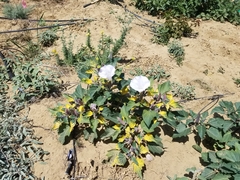 Datura wrightii Sacred thorn-apple Photo: CC0, erinfrog
 Datura metel Entire-leaved thorn-apple Photo: CC BY, Luis Romero
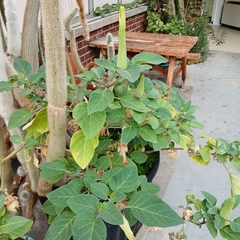 Datura innoxia Recurved thorn-apple Photo: CC BY, Ian Murdoch
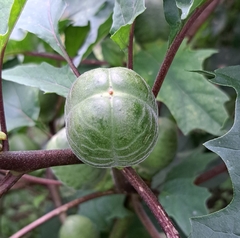 Datura stramonium Jimsonweed Photo: CC BY, Markus Krieger
 Datura discolor Desert thorn-apple Photo: CC BY, Karim Haddad
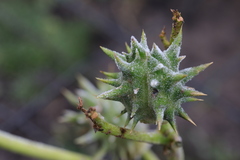 Datura ferox Angel's-trumpets Photo: CC0, Stephen James McWilliam
 Datura quercifolia Chinese thorn-apple Photo: CC BY, Bob Nieman
Grown: iNaturalist's observations of the species marked captive or cultivated; "not counted" where the species list does not count it. Native ranges: Kew's World Checklist of Vascular Plants (Govaerts et al., CC BY 4.0), file of 4 June 2026. Grown: iNaturalist's observations marked captive or cultivated, counted 17 October 2026 (the species list's count). Habitat climate known: the species page has a habitat climate, read from CHELSA's monthly climate and NASA POWER's daily extremes at its well-placed wild records inside Kew's native range; each page says its own sources and days. Record low: the lowest night in NASA POWER's daily series at the habitat's typical spot, as the species page gives it, held in °C to a tenth and shown in your units; each page says its own years and day read. Counts as the reference built on 19 November 2026 holds them. The CSV holds every result, not only this page's.