Dichondra
8 species in the reference · family Convolvulaceae · 8 with a habitat climate · 8 grown, per iNaturalist
About the genus
Dichondra is a small genus of flowering plants in the morning glory family, Convolvulaceae. They are prostrate, perennial, herbaceous plants, with creeping stems which take root readily at the leaf nodes. The flowers are white, greenish or yellowish, 2–3 mm (0.079–0.118 in) diameter. Members of the genus are commonly known as ponysfoots and are native to tropical and cool temperate regions around the world.
Quoted from Wikipedia, "Dichondra", its opening paragraph, revision 1350605734, read 2026-11-08, CC BY-SA 4.0.
Where Dichondra is native
| Argentina Northwest | 2 |
|---|---|
| Arizona | 2 |
| Bolivia | 2 |
| Brazil Southeast | 2 |
| California | 2 |
| Mexico Central | 2 |
| Mexico Gulf | 2 |
| Mexico Northeast | 2 |
| Mexico Northwest | 2 |
| Mexico Southeast | 2 |
| Mexico Southwest | 2 |
| New Zealand North | 2 |
Species native to each region. A species counts in every region it is native to. Native ranges: Kew's World Checklist of Vascular Plants (Govaerts et al., CC BY 4.0), file of 4 June 2026.
8 species
Dichondra
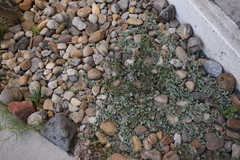 Dichondra argentea Silver ponysfoot Photo: CC BY, Norma Piedra
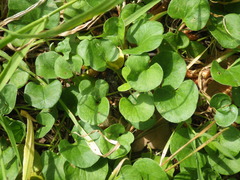 Dichondra micrantha Kidneyweed Photo: CC BY-SA, Pere Barnola
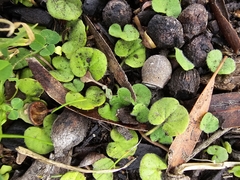 Dichondra repens Mercury Bay-weed Photo: CC BY, Josh
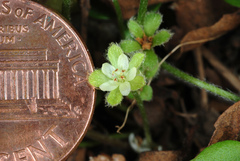 Dichondra carolinensis Carolina ponysfoot Photo: CC BY-SA, Douglas Goldman
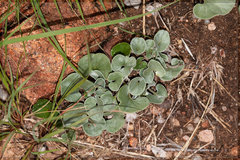 Dichondra sericea Silverleaf ponysfoot Photo: CC BY, RAP
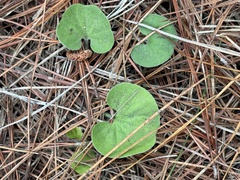 Dichondra donelliana California dichondra Photo: CC BY, Ian McFaul
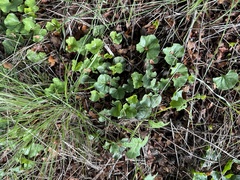 Dichondra occidentalis Western ponysfoot Photo: CC BY-SA, dennismudd
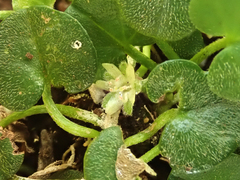 Dichondra brevifolia Photo: CC0, Peter de Lange
Grown: iNaturalist's observations of the species marked captive or cultivated; "not counted" where the species list does not count it. Native ranges: Kew's World Checklist of Vascular Plants (Govaerts et al., CC BY 4.0), file of 4 June 2026. Grown: iNaturalist's observations marked captive or cultivated, counted 17 October 2026 (the species list's count). Habitat climate known: the species page has a habitat climate, read from CHELSA's monthly climate and NASA POWER's daily extremes at its well-placed wild records inside Kew's native range; each page says its own sources and days. Record low: the lowest night in NASA POWER's daily series at the habitat's typical spot, as the species page gives it, held in °C to a tenth and shown in your units; each page says its own years and day read. Counts as the reference built on 19 November 2026 holds them. The CSV holds every result, not only this page's.