Dombeya
9 species in the reference · family Malvaceae · 6 with a habitat climate · 9 grown, per iNaturalist
About the genus
Dombeya is a flowering plant genus. Traditionally included in the family Sterculiaceae, it is included in the expanded Malvaceae in the APG and most subsequent systematics. These plants are known by a number of vernacular names which sometimes, misleadingly, allude to the superficial similarity of flowering Dombeya to pears or hydrangeas (which are unrelated). Therefore, the genus as a whole is often simply called dombeyas. More on Wikipedia
Quoted from Wikipedia, "Dombeya", its opening paragraph, revision 1354834494, read 2026-11-08, CC BY-SA 4.0.
Where Dombeya is native
| KwaZulu-Natal | 5 |
|---|---|
| Madagascar | 4 |
| Mozambique | 4 |
| Northern Provinces | 4 |
| Cape Provinces | 3 |
| Malawi | 3 |
| Swaziland | 3 |
| Tanzania | 3 |
| Zambia | 3 |
| Angola | 2 |
| Kenya | 2 |
| Rwanda | 2 |
Species native to each region. A species counts in every region it is native to. Native ranges: Kew's World Checklist of Vascular Plants (Govaerts et al., CC BY 4.0), file of 4 June 2026.
9 species
Dombeya
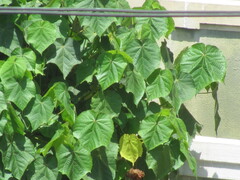 Dombeya wallichii Dombeya Photo: CC BY, zebedeugalinha
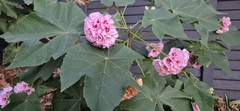 Dombeya burgessiae Pink Dombeya Photo: CC BY-SA, Brendan Smith
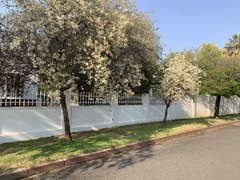 Dombeya rotundifolia Photo: CC BY, Dave Richardson
 Dombeya cacuminum Madagascan strawberry snowball tree Photo: CC BY, Stephen Thorpe
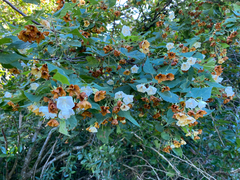 Dombeya tiliacea Forest Dombeya Photo: CC BY, Sunčana Bradley
 Dombeya pulchra Silver Dombeya Photo: CC BY-SA, Corne Brink
 Dombeya acutangula Photo: CC BY-SA, B.navez
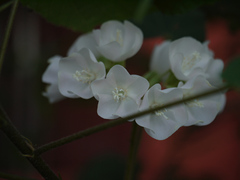 Dombeya spectabilis Photo: CC BY-SA, Dinesh Valke
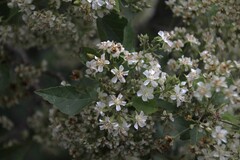 Dombeya cymosa Hairless Dombeya Photo: CC0, Erwin Sieben
Grown: iNaturalist's observations of the species marked captive or cultivated; "not counted" where the species list does not count it. Native ranges: Kew's World Checklist of Vascular Plants (Govaerts et al., CC BY 4.0), file of 4 June 2026. Grown: iNaturalist's observations marked captive or cultivated, counted 17 October 2026 (the species list's count). Habitat climate known: the species page has a habitat climate, read from CHELSA's monthly climate and NASA POWER's daily extremes at its well-placed wild records inside Kew's native range; each page says its own sources and days. Record low: the lowest night in NASA POWER's daily series at the habitat's typical spot, as the species page gives it, held in °C to a tenth and shown in your units; each page says its own years and day read. Counts as the reference built on 19 November 2026 holds them. The CSV holds every result, not only this page's.