Draba
59 species in the reference · family Brassicaceae · 50 with a habitat climate · 27 grown, per iNaturalist, 32 not counted
About the genus
Draba is a large genus of flowering plants in the family Brassicaceae, commonly known as whitlow-grasses (though they are not related to the true grasses).
Quoted from Wikipedia, "Draba", its opening paragraph, revision 1354827444, read 2026-11-08, CC BY-SA 4.0.
Where Draba is native
| Austria | 13 |
|---|---|
| Alaska | 10 |
| British Columbia | 10 |
| North European Russia | 10 |
| France | 9 |
| Germany | 9 |
| Québec | 9 |
| Turkey | 9 |
| Czechoslovakia | 8 |
| Greenland | 8 |
| Italy | 8 |
| Kazakhstan | 8 |
Species native to each region. A species counts in every region it is native to. Native ranges: Kew's World Checklist of Vascular Plants (Govaerts et al., CC BY 4.0), file of 4 June 2026.
59 species
Draba
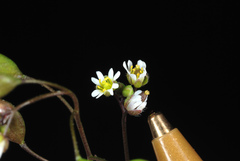 Draba verna Spring draba Photo: CC BY-SA, Douglas Goldman
 Draba aizoides Yellow Whitlowgrass Photo: CC BY, Drepanostoma
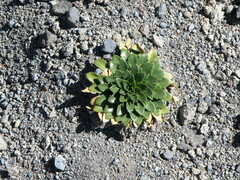 Draba jorullensis Photo: CC BY, Jean Jacques Godon
 Draba podolica Photo: Public domain, DHochmayr
 Draba bruniifolia Photo: CC0, Jean-Paul Boerekamps
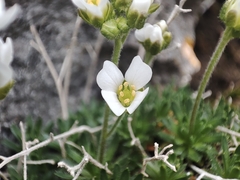 Draba dedeana Photo: CC BY, Ana Garcia
 Draba doerfleri Photo: CC0, Daderot
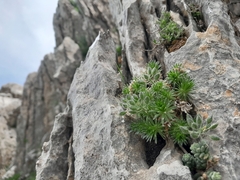 Draba hispanica Spanish draba Photo: CC BY, Anis Dris
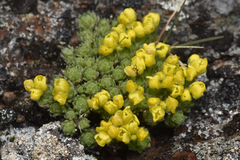 Draba oligosperma Few-seed draba Photo: CC0, Braden J. Judson
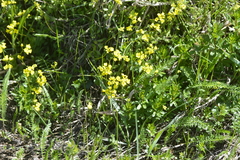 Draba sibirica Siberian whitlow-grass Photo: CC0, Игорь Загребин
- no open photograph on file Draba mingrelica Megrelian Whitelow-grass
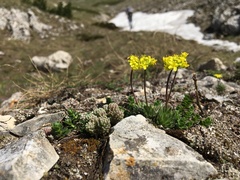 Draba lasiocarpa Photo: CC0, Mirko Ubović
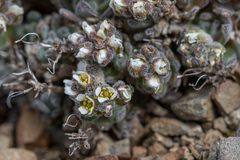 Draba magellanica Fuegian whitlowgrass Photo: CC BY, Sebastián Saiter V.
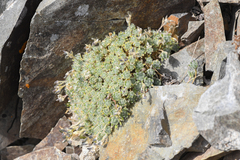 Draba novolympica Olympic Mountains draba Photo: CC BY, Trevor Van Loon
 Draba polytricha Photo: CC BY-SA, Averater
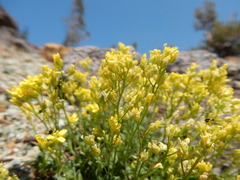 Draba sphaeroides Ball draba Photo: CC BY, Matt Lavin
 Draba alpina Alpine draba Photo: CC BY, Christoph Moning
- no open photograph on file Draba altaica
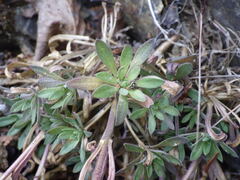 Draba arabisans Rock draba Photo: CC0, Jonny Tostenson
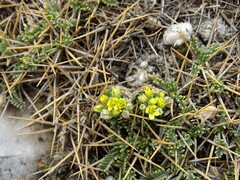 Draba cretica Photo: CC BY-SA, Grzegorz Grzejszczak
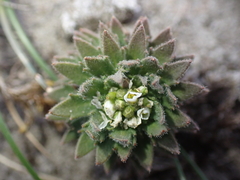 Draba incana Hoary whitlow-grass Photo: CC0, Kian Hayles-Cotton
 Draba mollissima Photo: CC BY-SA, Ghislain118…
 Draba ossetica Photo: CC BY-SA, C T Johansson
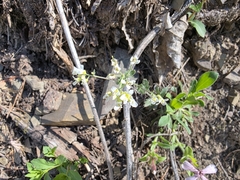 Draba ramosissima Branched draba Photo: CC BY, Harold Smith
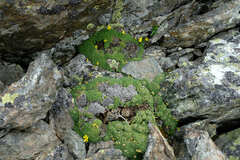 Draba rigida Photo: CC BY, Екатерина Кропочева
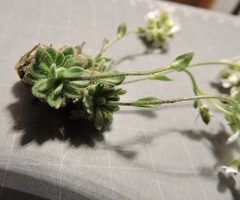 Draba tomentosa Photo: CC BY, Karsten Rohweder
- no open photograph on file Draba ventosa Wind River draba
 Draba acaulis Photo: CC BY-SA, ghislain118…
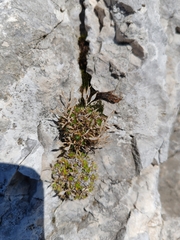 Draba aspera Photo: CC BY, Ljaž
 Draba cappadocica Photo: CC BY-SA, Ghislain118 (AD)…
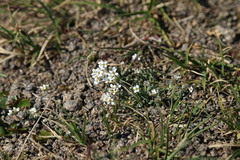 Draba cinerea Grey-leaved draba Photo: CC BY, Samuelle Simard-Provençal
 Draba cuspidata Photo: CC BY, Igor Balashov
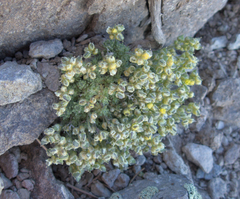 Draba densifolia Dense-leaved draba Photo: CC BY, Spencer Hurt
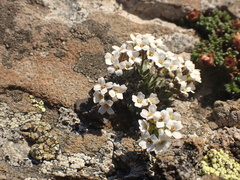 Draba dubia Austrian Whitlow-grass Photo: CC BY, Antoine MARNAT
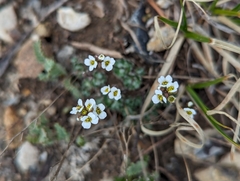 Draba fladnizensis Austrian draba Photo: CC BY, My-Lan Le
 Draba glabella Smooth draba Photo: CC BY, Quinten Wiegersma
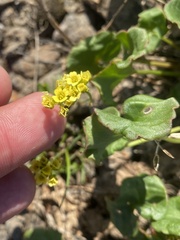 Draba glacialis Photo: CC BY, Илья Руденко
- no open photograph on file Draba haynaldii
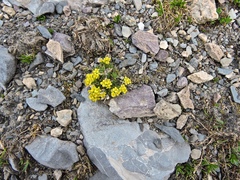 Draba hoppeana Photo: CC BY, Karsten Rohweder
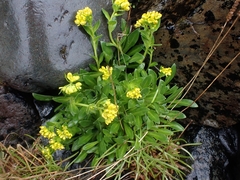 Draba hyperborea North Pacific draba Photo: CC BY, Matt Muir
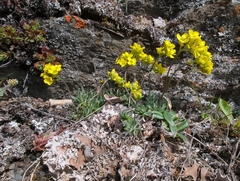 Draba incerta Yellowstone draba Photo: CC BY, Matt Muir
- no open photograph on file Draba kitadakensis
- no open photograph on file Draba korabensis
- no open photograph on file Draba kotschyi
- no open photograph on file Draba loiseleurii
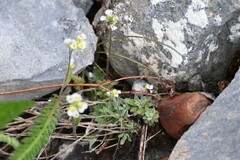 Draba nivalis Snow draba Photo: CC BY, Syd Cannings
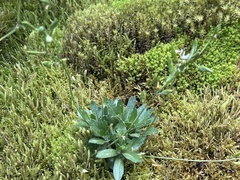 Draba norvegica Norway draba Photo: CC BY, Julia Henning
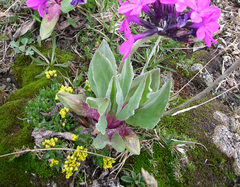 Draba oreades Photo: CC BY, Oleg Kosterin
Grown: iNaturalist's observations of the species marked captive or cultivated; "not counted" where the species list does not count it. Native ranges: Kew's World Checklist of Vascular Plants (Govaerts et al., CC BY 4.0), file of 4 June 2026. Grown: iNaturalist's observations marked captive or cultivated, counted 17 October 2026 (the species list's count). Habitat climate known: the species page has a habitat climate, read from CHELSA's monthly climate and NASA POWER's daily extremes at its well-placed wild records inside Kew's native range; each page says its own sources and days. Record low: the lowest night in NASA POWER's daily series at the habitat's typical spot, as the species page gives it, held in °C to a tenth and shown in your units; each page says its own years and day read. Counts as the reference built on 19 November 2026 holds them. The CSV holds every result, not only this page's.